|
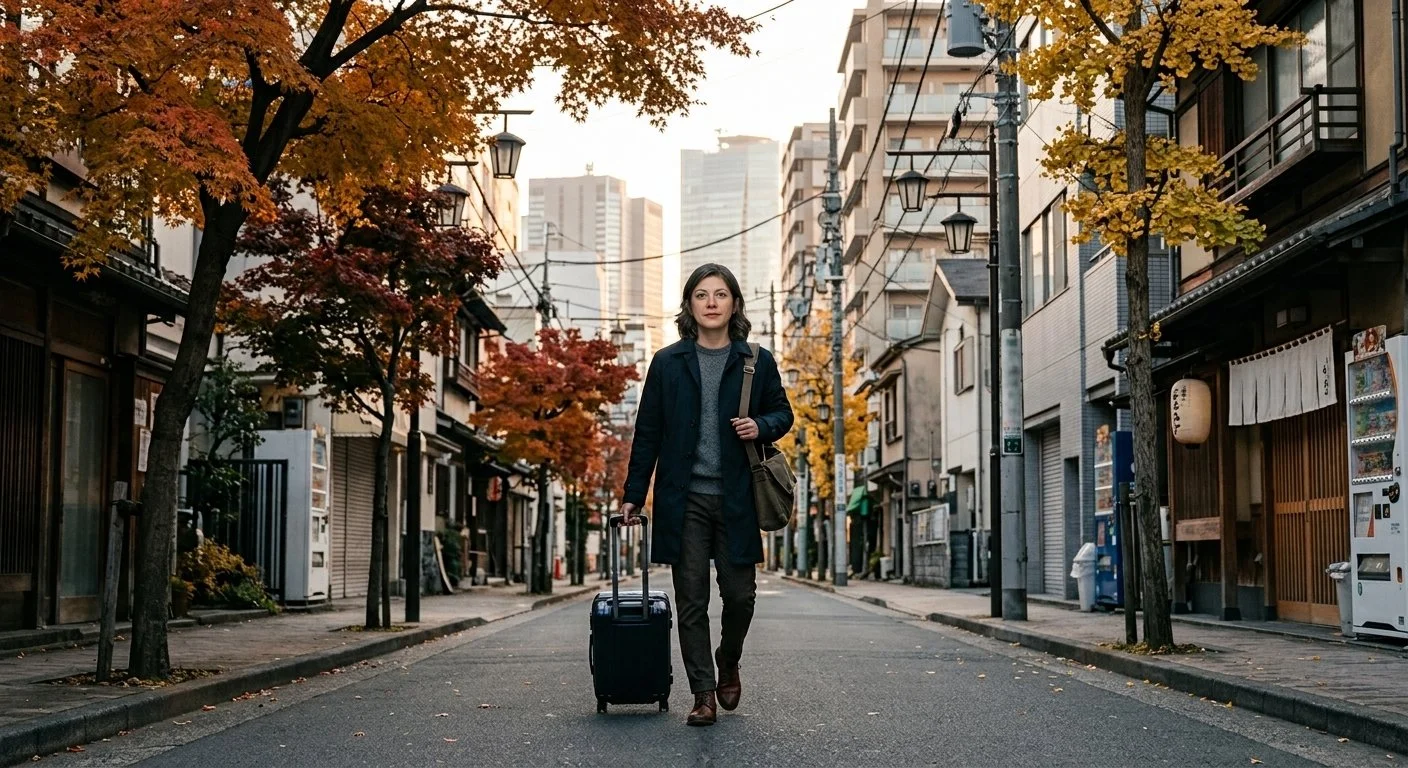
Apologies that this week’s newsletter is arriving a little later than usual. I’m writing from Japan, where the days have been wonderfully full. Those of you who follow me on LinkedIn may already have seen quite a few posts from my adventures around Tokyo. Being here also gives this week’s three posts an interesting connection: they’re all about the realities of showing up, whether that means accepting that we can’t do everything, recognizing the human cost of working across time zones, or appreciating the simple pleasures of everyday life in Japan. On Monday, I wrote about the anxiety that crept in as my departure approached. The problem wasn’t the trip itself. I couldn’t wait to return to Japan. It was the growing realization that there simply wasn’t enough time to finish everything before I left. It reminded me of the Japanese expression shikata ga nai, or “it cannot be helped.” There’s practical wisdom in recognizing the difference between what we can influence and what we simply need to accept. Preparation matters, but perfection isn’t the goal. Sometimes the most important thing is to accept what remains unfinished, get on the plane, and begin. On Wednesday, I turned to a very different consequence of international travel: what it means to work across two time zones. During my time at JCO, I’ve gained a much greater appreciation for Japanese expatriate managers in the United States who effectively live between two clocks. Their days are filled with local responsibilities, but when Japan wakes up, another round of meetings, requests, approvals, and conversations can begin. We often talk about the cultural and strategic challenges of global business, but one of its most significant challenges is much more basic: sleep. My own schedule in Japan has given me a small taste of that experience, but with one important difference. Mine is temporary. For many expatriate leaders, balancing two working days is simply part of the job. For Fun Friday, I focused on one of the things I was most excited to do after arriving in Japan: go grocery shopping. Forget designer goods and elaborate souvenirs. Give me a Japanese supermarket and an empty suitcase. What I love most are the ordinary things: noodles, furikake, seasonal snacks, tea, curry roux, and the everyday products that Japanese families buy without a second thought. My husband has also supplied his own mental shopping list, so I sometimes suspect my primary role on this trip is less “wife” and more “specialized Japanese import service with baggage allowance privileges.” For me, though, wandering through a local supermarket is one of those small experiences that makes returning to Japan feel like coming home. Looking back on the week, I think the common thread is the human side of our plans. We can prepare carefully, but eventually we have to accept what we cannot finish. We can build global organizations, but those organizations still depend on people navigating very real limits of time and energy. And sometimes the experiences that reconnect us most deeply to a place aren’t the big events at all. They’re as simple as walking through a neighborhood supermarket and recognizing familiar things on the shelves. Being back in Japan has already reminded me that we don’t have to experience everything, accomplish everything, or plan everything perfectly to make a journey worthwhile. Sometimes we just need to show up and pay attention to what’s in front of us. Thank you, as always, for reading. And thank you for indulging the slightly late newsletter this week. Japan has been keeping me busy in the very best way. Warmly, Saskia
|