|
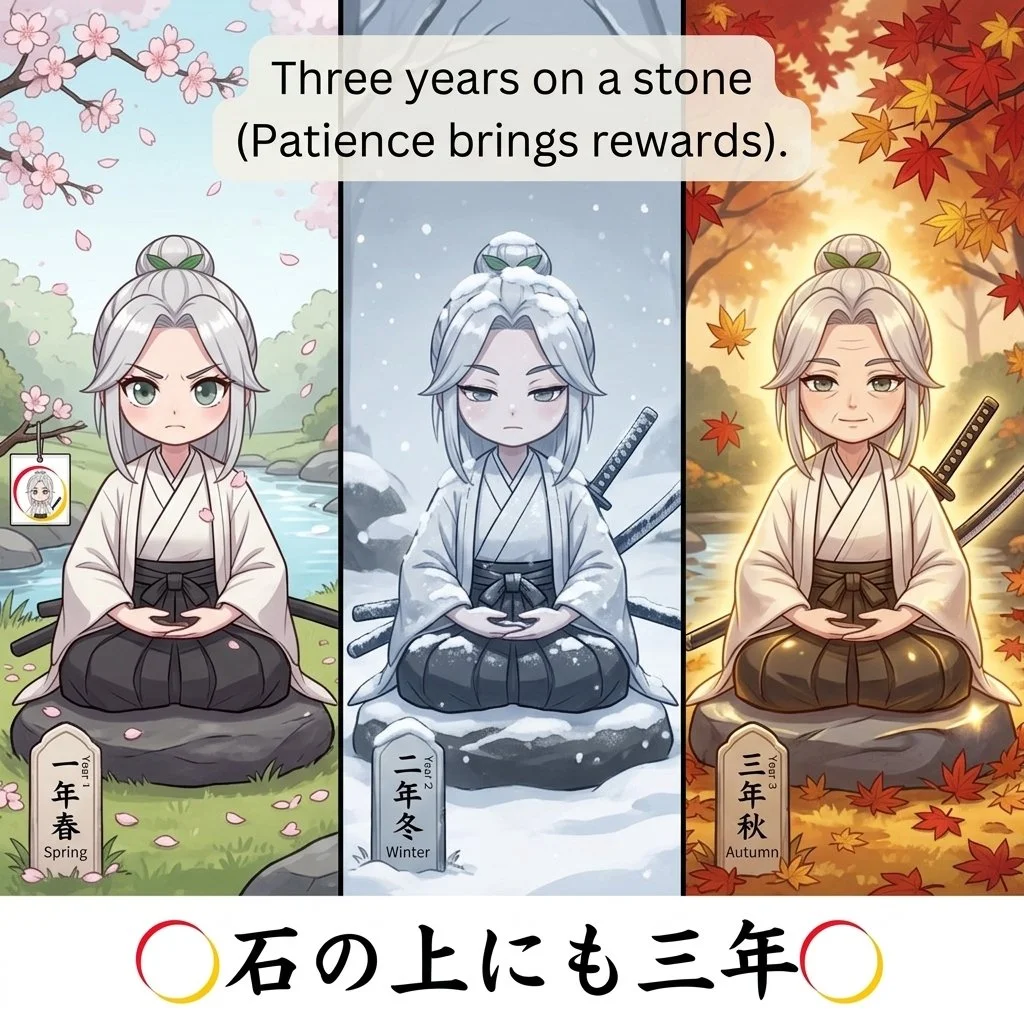
This week's posts took me from reflections on gratitude and generosity, to the meaning of long-term relationships, and finally to one of Japan's latest wonderfully practical inventions. Different topics on the surface, but each one left me thinking about how people, experiences, and ideas shape us over time, often in ways we do not immediately recognize. On Monday, I explored a question that has been on my mind recently: what happens when generosity is met with silence? After years of answering questions, making introductions, and sharing advice with people interested in Japan, career changes, or business opportunities, I've noticed how often the conversation simply ends once the help has been provided. While it's always nice to receive a thank you, the post isn't really about gratitude itself. It's about how we choose to respond when acknowledgment never comes. The more I reflected on it, the more I realized that generosity is ultimately a choice about who we want to be, regardless of the response we receive. On Wednesday, I marked my three-year anniversary with JCO by reflecting on the Japanese proverb 石の上にも三年 ("three years on a stone"). What began as a milestone at work quickly became a much broader reflection on the role of persistence, relationships, and timing in our lives. Reconnecting with Olivier after both of us spent decades following different paths reminded me of the Japanese concept of 縁 (en), the invisible threads that connect people and events across time. Looking back, I found myself thinking less about three years and more about the thirty-year journey that began when two students developed a fascination with Japan and unknowingly started a story that would come full circle many years later. For Fun Friday, I shared one of those uniquely Japanese innovations that sounds ridiculous until you realize it makes perfect sense: the "human refrigerator." Designed to help workers cool down during Japan's increasingly intense summers, it's essentially a refrigerated booth that rapidly lowers body temperature. What fascinated me was not just the invention itself, but what it says about Japan's approach to problem-solving. Faced with extreme heat, Japan didn't simply issue advice. It engineered a highly specific solution. After nearly three decades of living with Japanese innovations ranging from heated toilet seats to air-conditioned work jackets, I've learned that today's strange idea often becomes tomorrow's indispensable convenience. Looking back, all three posts are really about patience in different forms: the patience to remain generous even when efforts go unacknowledged, the patience required for relationships and careers to reveal their deeper meaning, and the patience to appreciate solutions that may seem unusual before proving their value. Whether through people, opportunities, or inventions, some of the most meaningful things in life take time before their impact becomes clear. Thank you, as always, for reading. Warmly,
Saskia
|