|
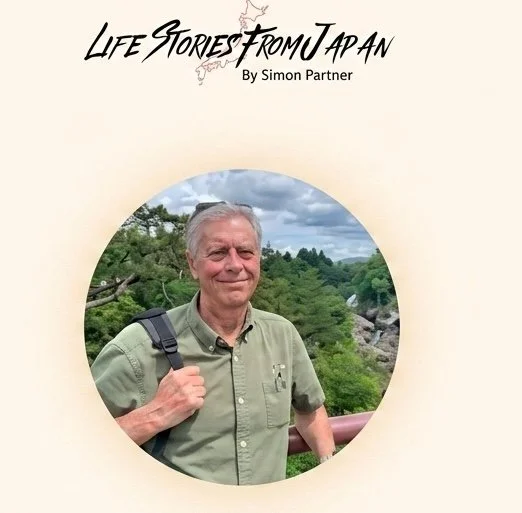
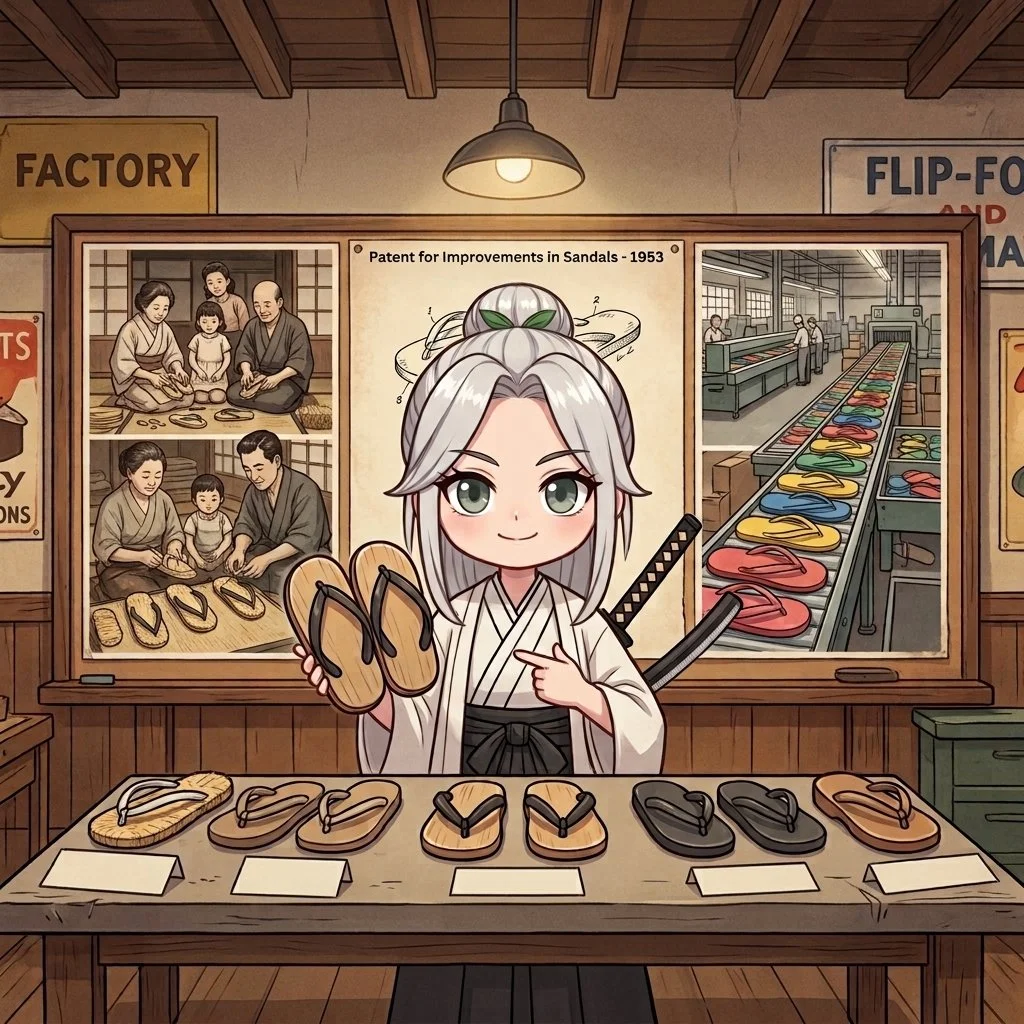
This week's posts took me from Japanese-American history, to employee engagement across cultures, and finally to the surprisingly global origins of one of the world's most familiar summer accessories. Different topics on the surface, but all three reminded me how ideas, experiences, and stories travel across borders in unexpected ways. On Monday, I wrote about a chance meeting in San Francisco's Japantown that introduced me to a fascinating new resource on Japanese and Japanese-American history. Historian Simon Partner's Life Stories from Japan brings the past to life through the experiences of individuals whose stories illuminate much larger historical events. The post explores why personal narratives can be such a powerful way to deepen our understanding of history, culture, and the people around us. On Wednesday, while preparing for an employee engagement session with the U.S. subsidiary of a Japanese company, I found myself reflecting on a question I hear often: how different is employee engagement across cultures? The answer may be more nuanced than many people expect. Drawing on experiences from both Japan and the U.S., I share a perspective that has evolved significantly over years of working in global organizations. For Fun Friday, I chased down a headline claiming that the modern flip flop owes its success to both Japan and America. I wasn't sure what to expect, but the story turned out to be a surprisingly entertaining example of how ideas can cross cultures, evolve, and become part of everyday life around the world. It also gave me an excuse to confess one of my longstanding opinions about flip flops. Looking back, all three posts are really about connection. Whether through historical stories, workplace experiences, or even everyday products, we are constantly influenced by ideas and people that travel far beyond their original borders. The more I work across cultures, the more I appreciate just how interconnected our experiences really are. Thank you, as always, for reading. Warmly,
Saskia
|