|
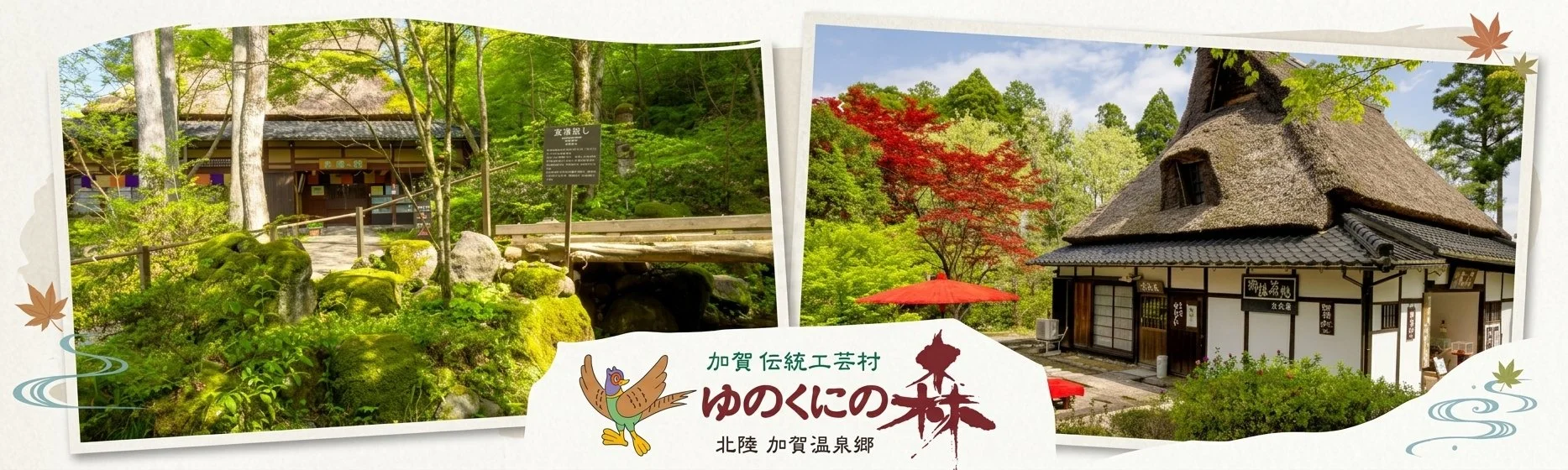
This week's posts explored three themes that have shaped my relationship with Japan over the years: learning to let go of what we cannot control, finding the value of professional community, and appreciating the craftsmanship and traditions that make Japan so unique. While each topic was very different, they all pointed toward a common lesson about the importance of perspective, connection, and being present. On Monday, I reflected on a quote from the Roman Stoic philosopher Seneca: "To be happy, eliminate two things: the fear of a bad future and the memory of a bad past." What struck me was how closely this idea aligns with several Japanese concepts that influenced me during my years living in Japan. The expression shikata ga nai encourages acceptance of things beyond our control, while ichi-go ichi-e reminds us that each moment is unique and cannot be repeated. Looking back, I realized that both Stoic philosophy and traditional Japanese wisdom arrive at a similar conclusion: much of our suffering comes from resisting reality rather than accepting it. Happiness is not about controlling every outcome, but about letting go of imagined futures and unchangeable pasts so we can focus on the present moment. On Wednesday, I shared why I recently joined the Japan-US HR Professionals Association (JUHPA). What impressed me most was not simply the opportunity to network, but the organization's commitment to fostering a community of experienced professionals who support Japanese companies operating in the United States. Having spent much of my career working between Japanese and Western business environments, I know how rewarding, and sometimes challenging, it can be to bridge different expectations, cultures, and workplace practices. Communities like JUHPA provide a valuable space for professionals to exchange ideas, learn from one another's experiences, and collectively address the evolving challenges facing Japanese organizations in today's global business environment. For Fun Friday, I took a trip down memory lane and revisited Yū no Kuni no Mori, a traditional craft village in Ishikawa Prefecture that I first visited in 1997. One of my strongest memories was making washi paper decorated with Japanese maple leaves, an experience that gave me an early appreciation for the skill and patience behind Japanese craftsmanship. Watching artisans create ceramics, lacquerware, paper, and other traditional crafts revealed a side of Japan that left a lasting impression on me. Nearly three decades later, I still believe some of Japan's most rewarding experiences are found away from the major tourist destinations, in places where traditions continue to be practiced and preserved with extraordinary care. Looking back on the week, a common thread emerges. Whether we're learning to accept uncertainty, building relationships within a professional community, or admiring the work of skilled artisans, there is value in slowing down and paying attention to what truly matters. Often, the most meaningful lessons are not found in grand achievements or dramatic moments, but in the quiet wisdom, shared experiences, and small discoveries that stay with us long after the moment has passed. Thank you, as always, for reading. Warmly, Saskia
|