


The Great Escalator Divide
After years in Japan, I've stopped noticing it, but visitors always do:
In Tokyo, people generally stand on the left and walk on the right.
In Osaka, people generally stand on the right and walk on the left.
Now why would that be!
Read more by clicking on the link.
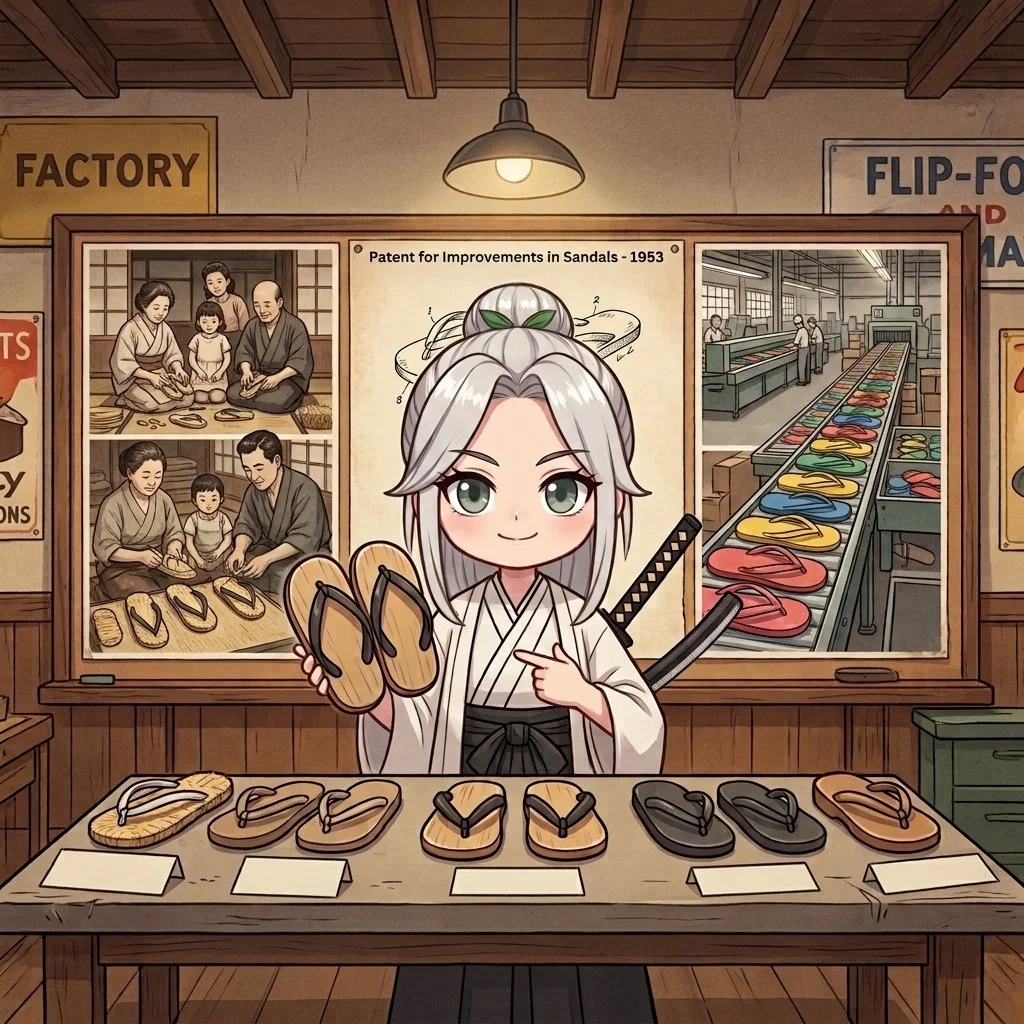
The flip flop: If the headline is right, Japan designed it and America sold it
I came across a headline recently suggesting that the modern flip flop has roots in both Japan and the US, and honestly, that sounded just random enough to make me curious.
As it turns out, the traditional Japanese zōri sandal has been around for centuries. Then, after the war, versions of it started gaining popularity overseas. Somewhere along the way, Japanese design met American production and marketing, and before anyone knew it, the flip flop had conquered beaches, swimming pools, backyards, and airport security lines around the world.
Read more by clicking on the link.
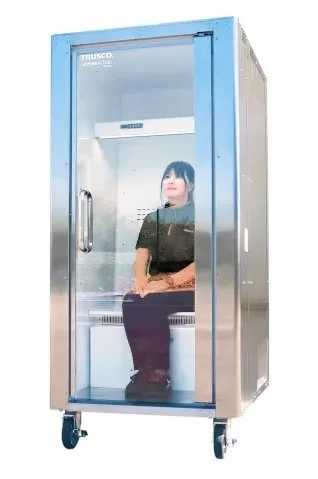
The human refrigerator has arrived
One of the things I love about Japan is that whenever the rest of the world identifies a problem, Japan's response is often, "Let's engineer something strangely specific to solve it."
Recently, I learned about a new invention called the "human refrigerator."
And yes, it's exactly what it sounds like.
Developed by a Japanese company that makes refrigeration equipment and vending machines, it's essentially a small booth that looks like a giant vending machine. You step inside, sit down, and cold air blasts your head, neck, shoulders, and back.
As someone who spent many summers in Japan, I immediately thought: honestly, this might be the most rational thing I've heard all week.
Read more by clicking on the link.
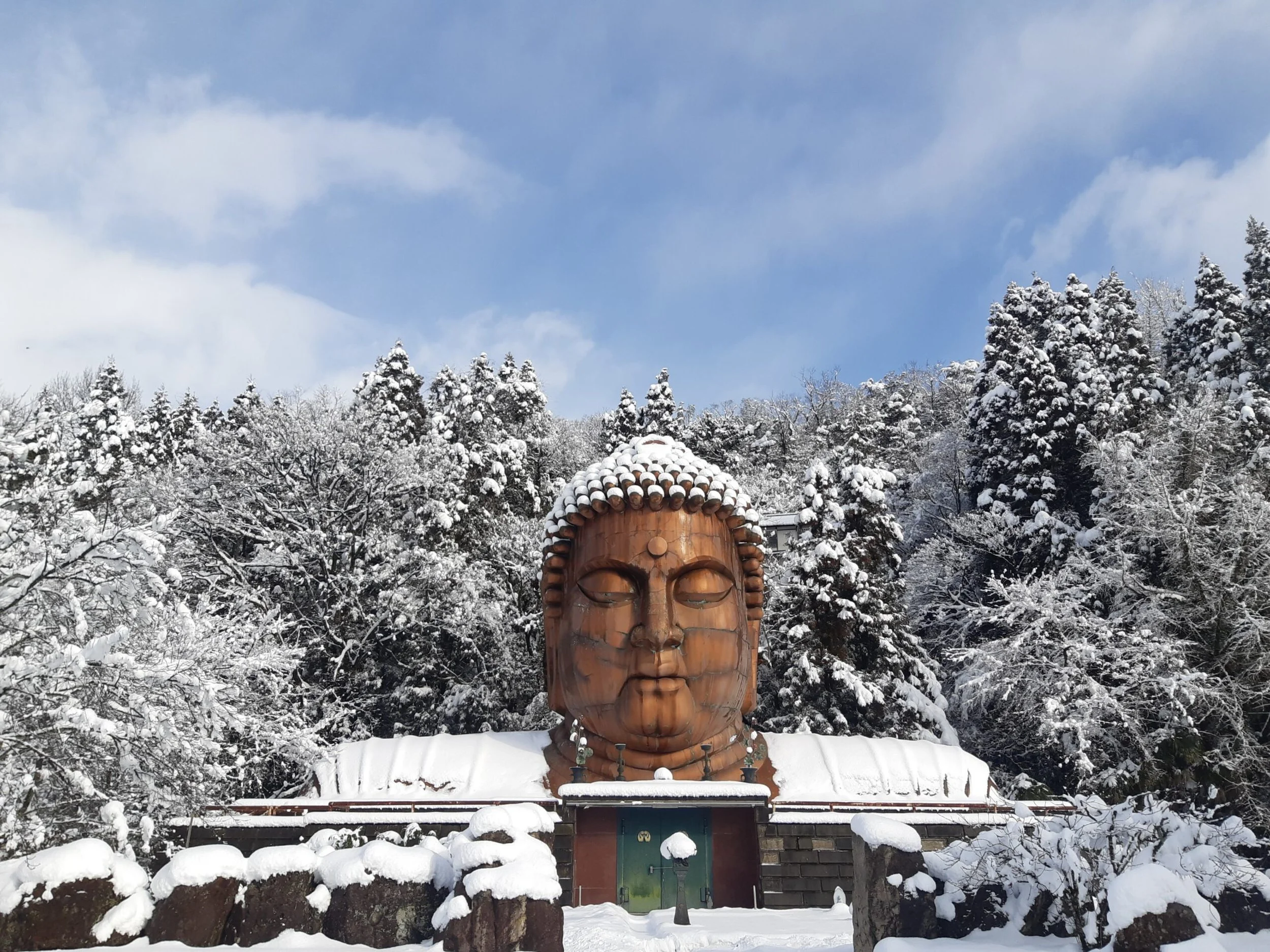
Off the beaten path in Ishikawa: the Hanibe Caves in Komatsu
When I lived in Komatsu, Ishikawa Prefecture, in 1997, one of the things I loved most was stumbling across places that made me think, "Only in Japan."
The Hanibe Caves definitely fall into that category.
Tucked away in the hills about 20 minutes from Komatsu Station, the caves are one of the strangest and most memorable attractions I've visited in Japan. Before you even enter, you're greeted by a giant Buddha head emerging from the hillside. It looks like it could wake up at any moment and go battle Godzilla.
Inside, things get even more interesting.
Read more by clicking on the link.
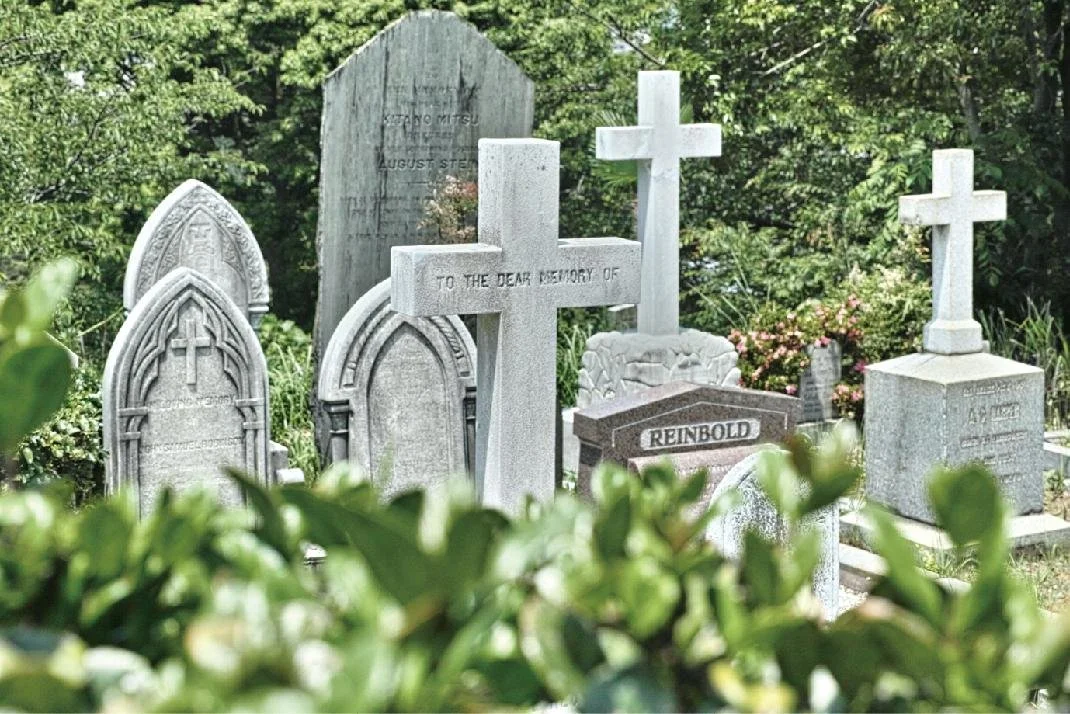
Off the beaten path in Yokohama: The Foreign General Cemetery and a stroll through Motomachi
Since it's Obon season in Japan, a time when many families visit ancestral graves and remember those who came before them, I thought I'd share one of the more unusual places I've enjoyed visiting in Yokohama.
Most people head to Yokohama for the waterfront, Chinatown, or the shops and restaurants. But tucked away on a hillside overlooking the harbor is the Yokohama Foreign General Cemetery, one of the most interesting pieces of international history you'll find in Japan.
Read more by clicking on the link.
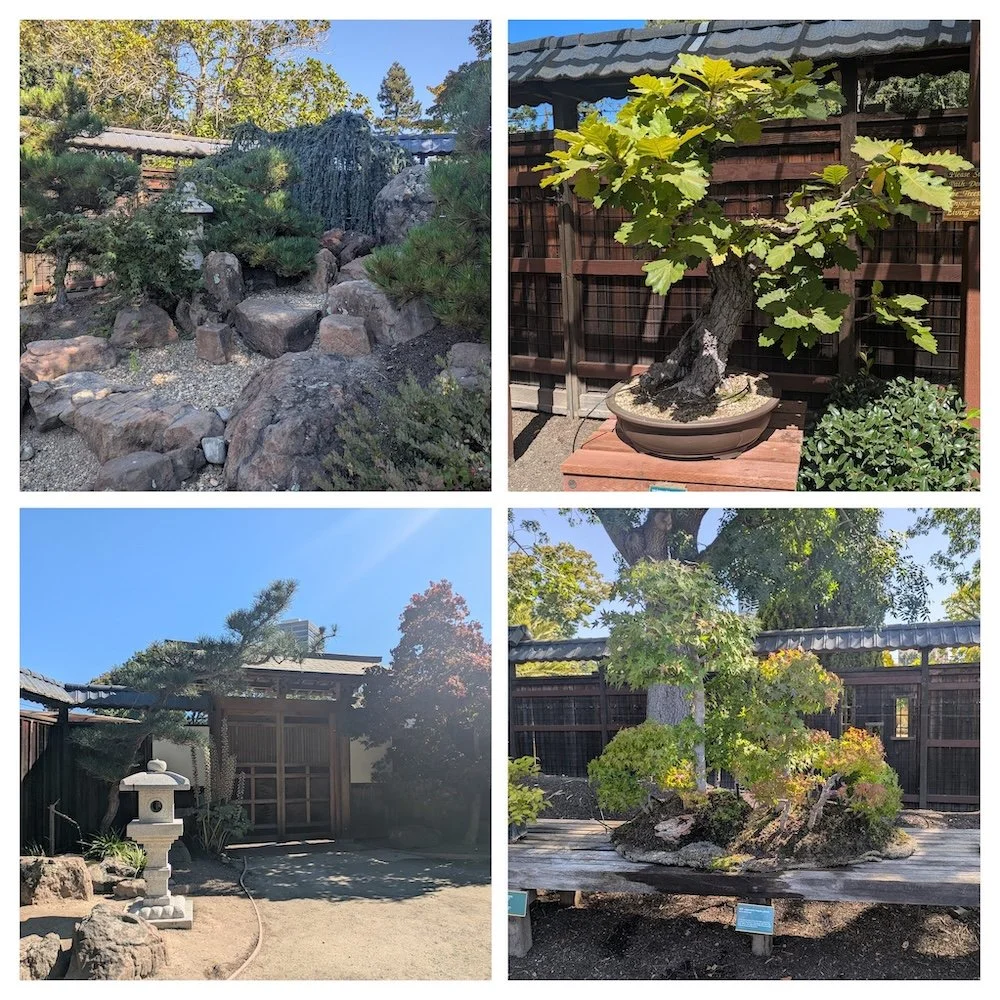
Bonsai bandits at Lake Merritt
One of the joys of living in the Bay Area is discovering random Japan connections close to home.
Last week, I joined a guided tour of the Oakland Bonsai Garden at Lake Merritt. The tour was organized by AARP, which admittedly made me feel about 20 years younger than the average participant, but it was a lot of fun. And although the garden is only a short drive away, I took BART because every adventure sounds more legitimate if a train is involved.
If you've never been, it's a lovely spot. A small oasis in Oakland filled with bonsai trees that have been patiently shaped and cared for over decades. In some cases, over a century.
Read more by clicking on the link.
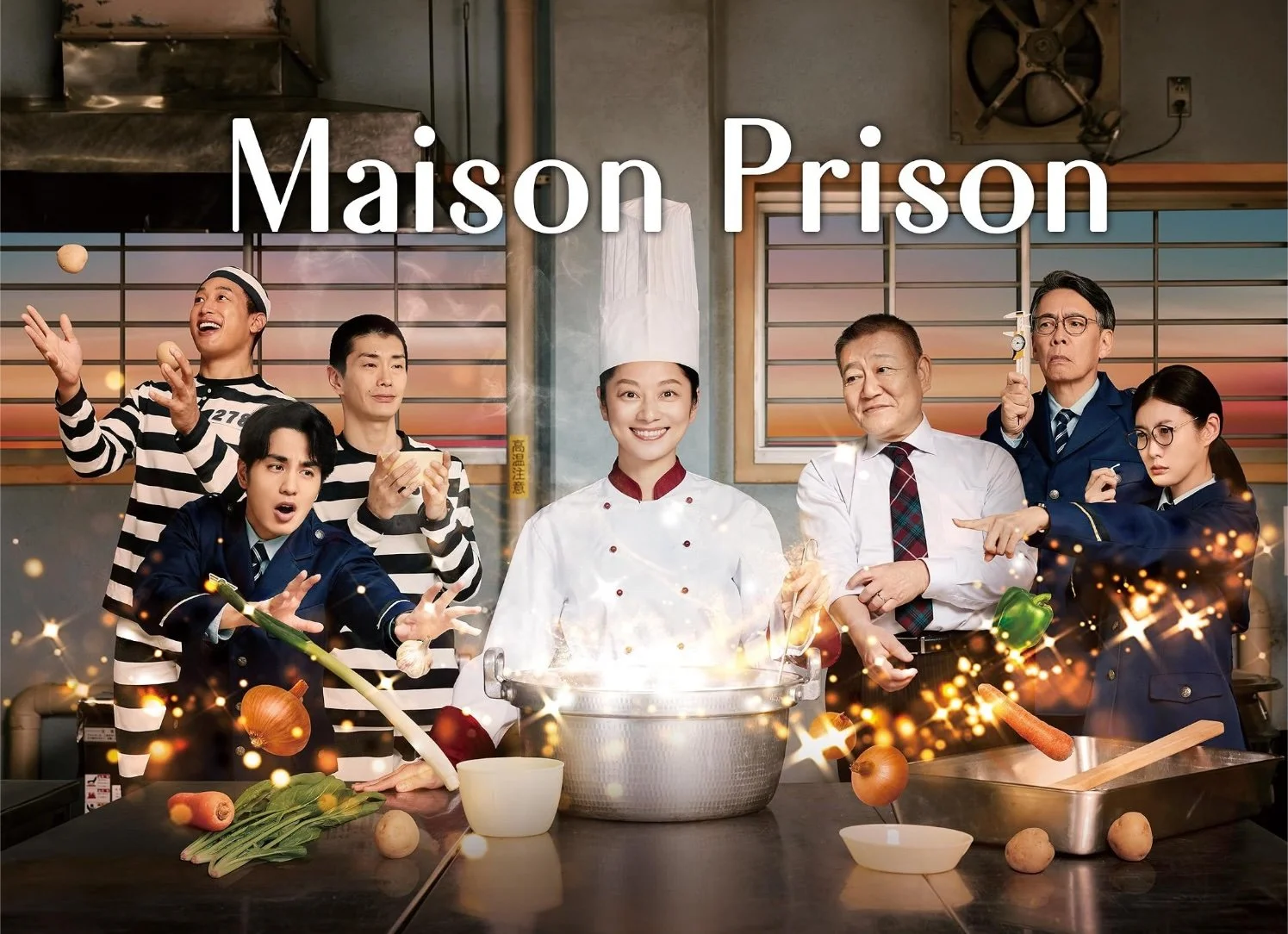
Never judge a Japanese drama by its English title
I have a confession: I'm incredibly picky when it comes to Japanese dramas.
Every now and then I try a new one because everyone is talking about it, only to lose interest a few episodes in. One reason is that I often struggle with the acting style. Compared to many Western dramas, Japanese dramas can sometimes feel a bit overacted to me, with exaggerated expressions and larger-than-life characters. I know that's part of the charm for many viewers, but it isn't usually my thing.
So when my husband introduced me to Maison Prison a few days ago, I wasn't expecting much.
Fast forward to this week, and we've been binge-watching it every evening.
Read more by clicking on the link.
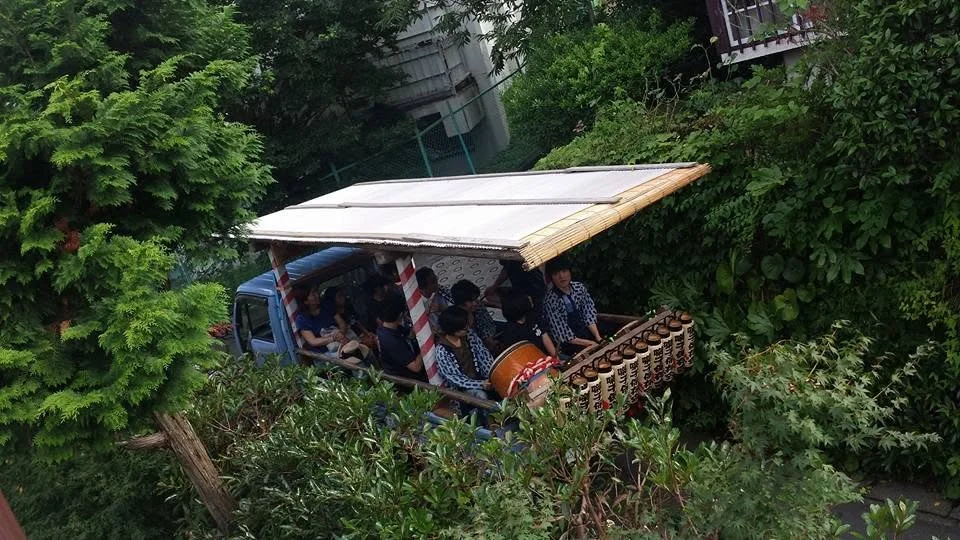
Beating the heat in Japan, literally
Whenever people talk about summer in Japan, the first thing they mention is usually the heat. And fair enough. Japanese summers are not subtle. The air feels thick, shirts stick to your back within seconds, and even the cicadas seem to be screaming about the temperature.
But what I always loved was how communities seemed to have developed hundreds of little ways to make summer not just bearable, but enjoyable.
When I lived in Yamanouchi, a neighborhood in Kita-Kamakura tucked between temples, forests, and narrow winding roads, one of my favorite signs that summer had truly arrived was hearing drums in the distance. Eventually, a tiny truck would emerge from somewhere in the greenery, carrying musicians and festival lanterns, somehow navigating roads that looked barely wide enough for the truck itself.
To this day, I have no idea how they managed some of those corners.
Read more by clicking on the link.