

Should I shake hands or bow when in a Japanese business environment?
In Japanese culture, nonverbal communication is much more nuanced than in the west and holds great importance. We know that bowing is a common form of greeting and showing respect, but did you know that the depth and duration of the bow can convey different levels of respect or hierarchy?

More ways of saying thank you in Japanese!How to use otsukaresama and gokurōsama at work.
In Japanese business culture, expressing appreciation and acknowledgment among colleagues is essential for fostering a harmonious workplace. Two common phrases used to convey this sentiment are otsukaresama (お疲れ様) and gokurōsama (ご苦労様). While they may seem similar, their usage and connotations differ significantly.
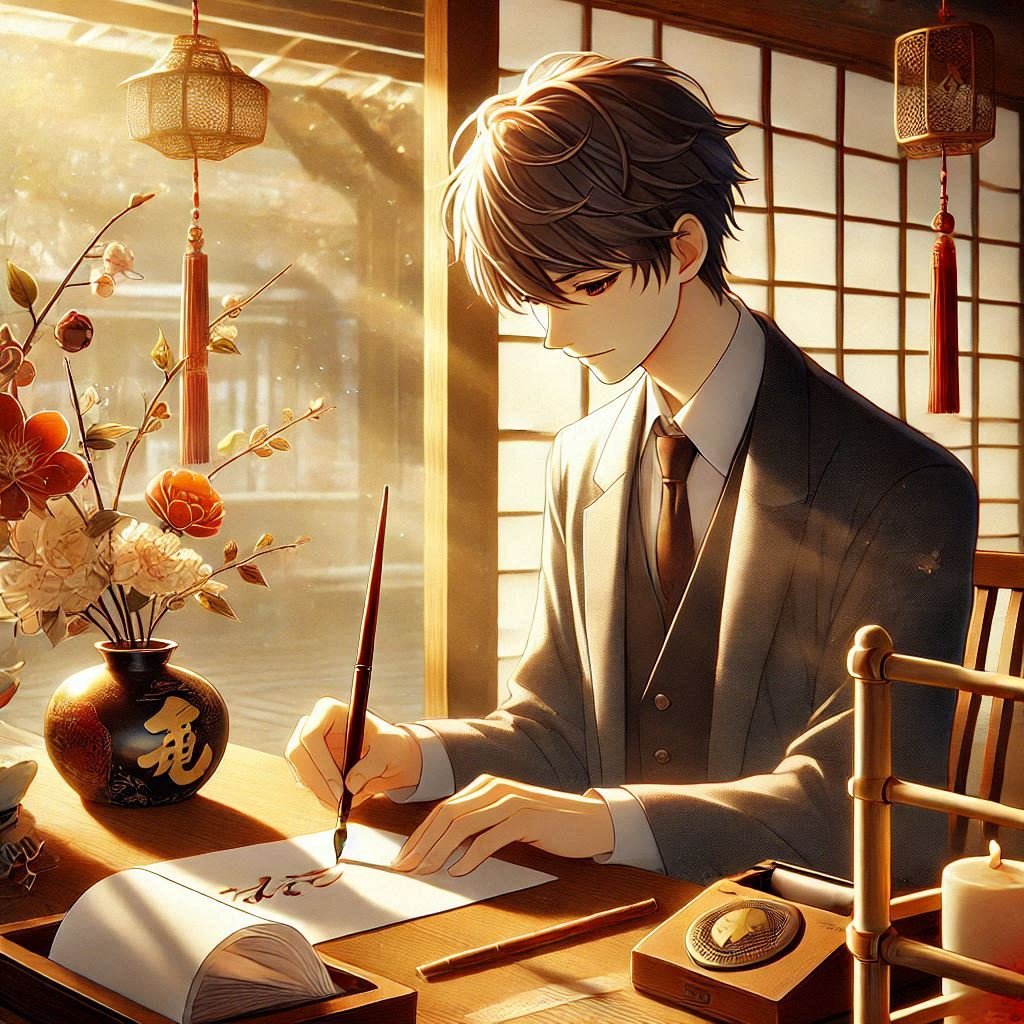
明けましておめでとうございます!Happy New Year!
Did you send your nengajō (年賀状 - New Year's cards) already? If not, there's still a bit of time!
The tradition of nengajō (年賀状), or New Year's cards, in Japan dates back to the Edo period (1603-1868). Initially, these cards were used primarily among the nobility and samurai class as a way to send greetings and convey well wishes for the New Year.