

Hydrangeas and the way perspective changes everything
I grew up with hydrangeas as something fragile.
Back in Belgium, my mother worried about them constantly. Were they surviving the winter. Was the soil too acidic. Would they bloom pink or blue this year. Hydrangeas were not just flowers, they were a responsibility. Their color felt like feedback, a visible response to how well they were being cared for. Too much acidity and they shifted. Too little attention and they suffered. They required watching, adjusting, and a certain quiet vigilance.
To me, hydrangeas were delicate creatures that needed protection.
Then I lived in Japan and married into an entirely different relationship with the same plant.
There, my husband cursed them.
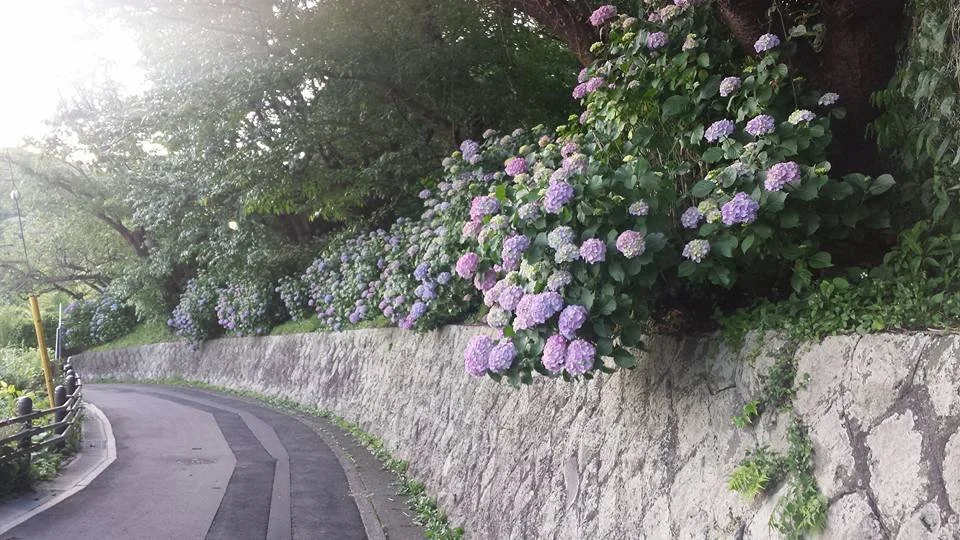
In Japan, hydrangeas grow everywhere. Along roadsides. On hillsides. Near temples. They arrive with the rainy season and spread quickly, enthusiastically, without asking permission. My husband never worried about whether they would survive. He worried about how often they needed to be cut back. To him, they were a weed. A plant that demanded constant whacking before it took over everything else.
The first time I heard him complain about hydrangeas, I was genuinely startled. How could something so carefully tended in my childhood be treated as such a nuisance there.
But that is the thing about perspective. The same object can carry entirely different meanings depending on where and when you encounter it.
In Belgium, hydrangeas felt like a lesson in attentiveness. In Japan, they felt like a lesson in boundaries. Left alone, they would grow without restraint. They were resilient, almost aggressive in their will to exist. The care they required was not about keeping them alive, but about keeping them in check.
Over time, I noticed how this shift mirrored the way my own life was changing.
When something is rare, we worry about losing it. We hover. We adjust conditions. We take responsibility for every change. When something is abundant, we respond differently. We manage it. We trim it back. We accept that it will return whether we are ready or not.
Neither view is wrong. They are simply shaped by context.
Even the color of hydrangeas carries this lesson. Pink or blue is not a fixed identity. It depends on the soil they are rooted in. The same plant, responding differently to its environment, quietly adapting without explanation. It does not struggle against the conditions. It reflects them.
Living in Japan changed the soil I was standing in.
Things I once approached with worry, I learned to approach with pragmatism. Things I once tried to protect at all costs, I came to understand might need limits instead. Some things thrive not because we shield them, but because we learn when to step back and when to intervene.
I still remember rainy days in Japan, hydrangeas lining the streets in full bloom, unbothered, unapologetic. I would feel a flicker of my mother’s concern when I saw them. Should someone be checking on them. Are they doing all right.
Then I would hear my husband muttering about needing to cut them back again, and I would smile.
Mindfulness, I learned there, is not just about noticing what is in front of us. It is about noticing how our relationship to it changes over time. How place, culture, and experience quietly reshape what we worry about, what we value, and what we let grow freely.
The hydrangeas did not change.
I did.
