

Ōmisoka: New Year’s Eve in Japan
As I’m posting this a few days into the new year, I’m wondering how you spent Your New Year’s Eve. Did you keep any traditions or create new ones? My New Year’s Eve definitely changed from when I was growing up, I went from a solid Flemish “Oudejaarsavond” to a Japanese influenced Ōmisoka.
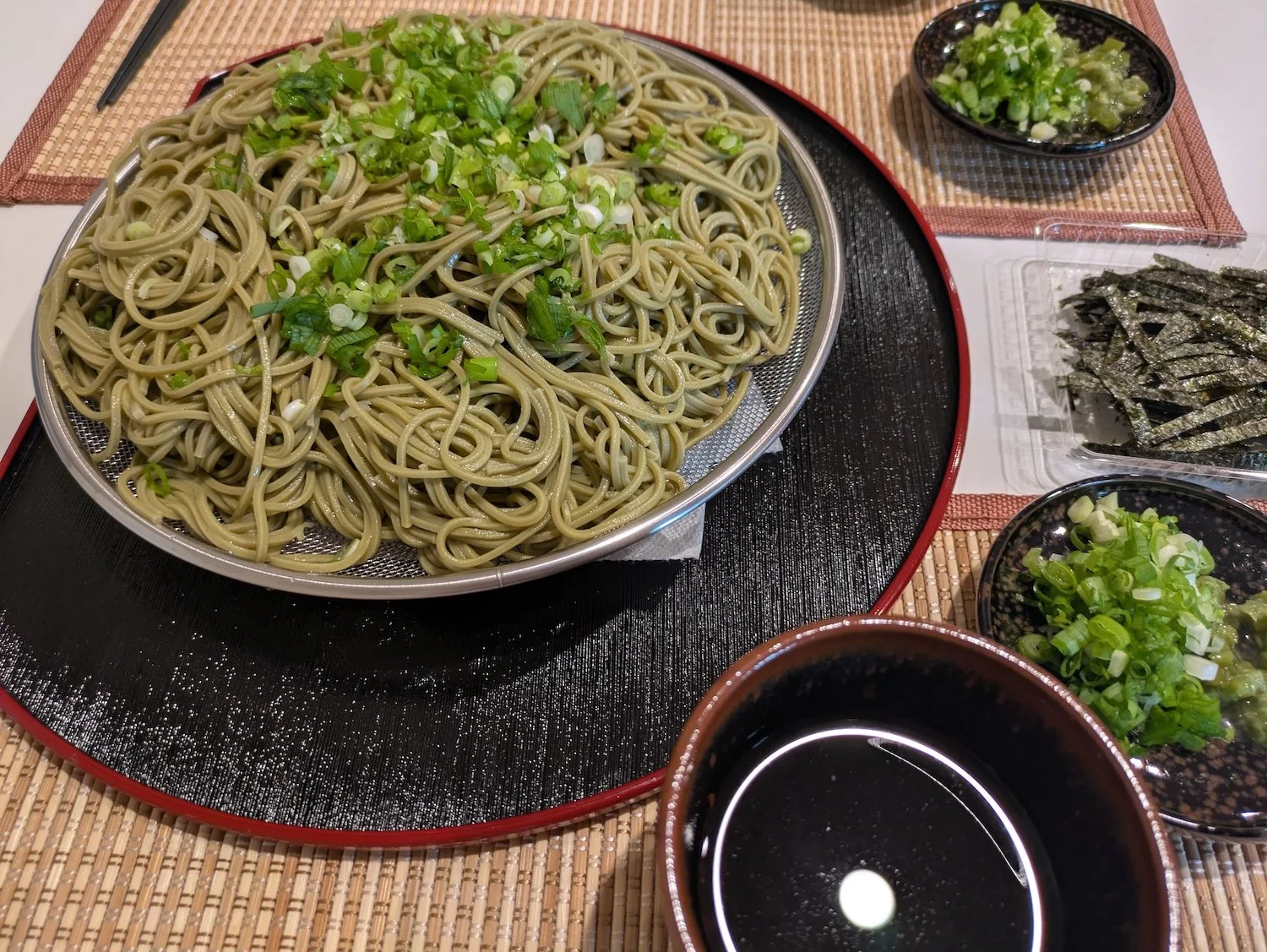
Back home, the evening always started with bread, cheese, and wine, a cozy Flemish tradition that feels like the perfect way to close the year. These days, though, my celebrations have taken on a Japanese flavor. After that familiar start, we switch to Ōmisoka customs, and the centerpiece is Toshikoshi soba, the “year-crossing noodles.”
Click below for more!
Sweet moments with Yokan
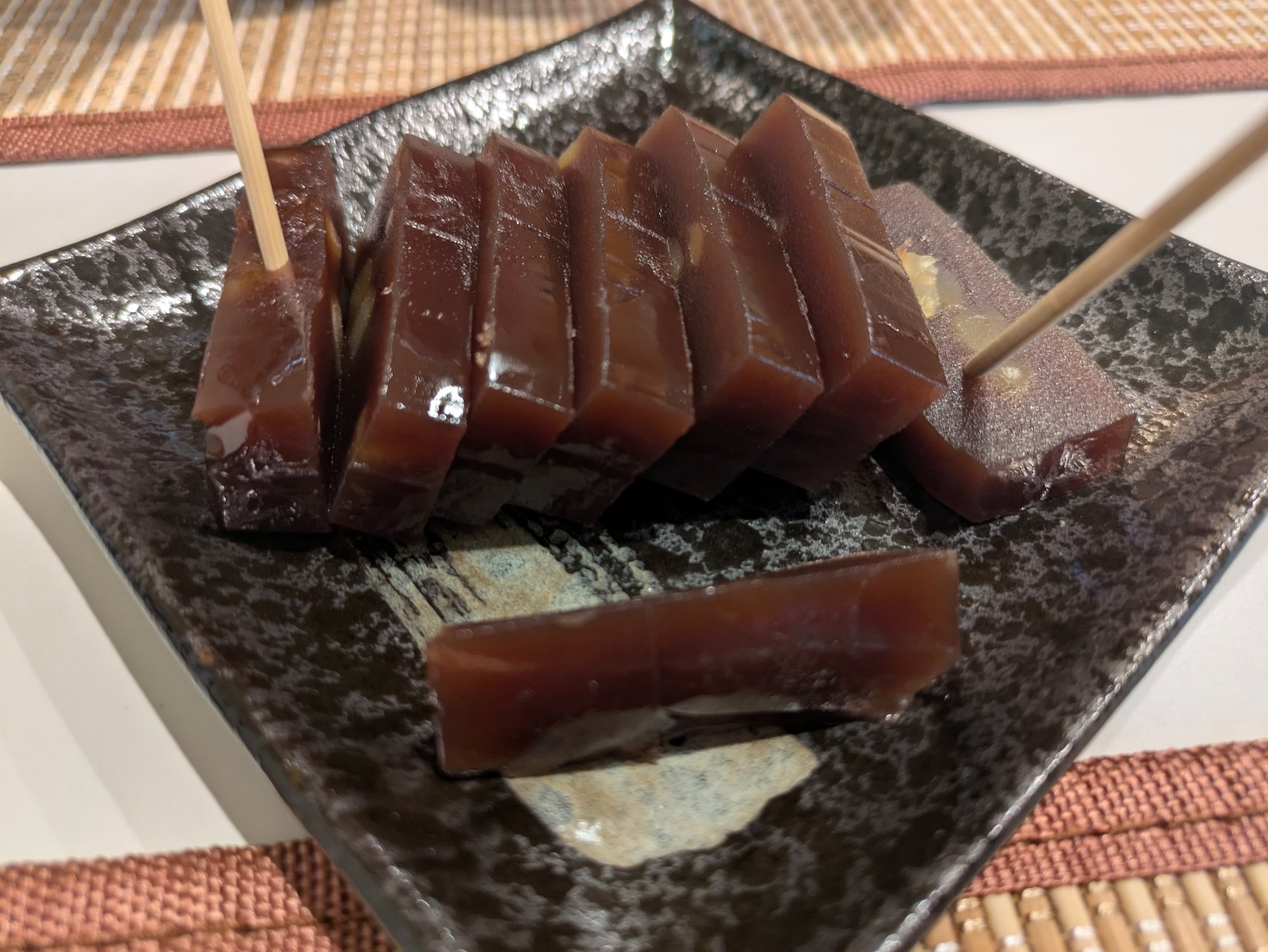
Today’s treat is yokan 羊羹, a classic Japanese confection that’s as elegant as it is satisfying. This smooth, sweet block of red bean paste has been around for centuries, originally introduced from China and perfected in Japan during the Edo period. Traditionally made with azuki beans, sugar, and agar, yokan became a staple in tea ceremonies because of its refined simplicity and long shelf life, perfect for pairing with a warm cup of tea.
Click below for more!
Off the beaten path in Ishikawa: Winter magic at Kenrokuen Garden
If you’re looking for a winter destination that feels like stepping into a living postcard, Kenrokuen Garden in Kanazawa, Ishikawa Prefecture, is a must-see. Known as one of Japan’s Three Great Gardens, Kenrokuen is a masterpiece of landscape design, blending elegance and harmony in every detail. Visiting in winter adds a special layer of beauty that few travelers experience.
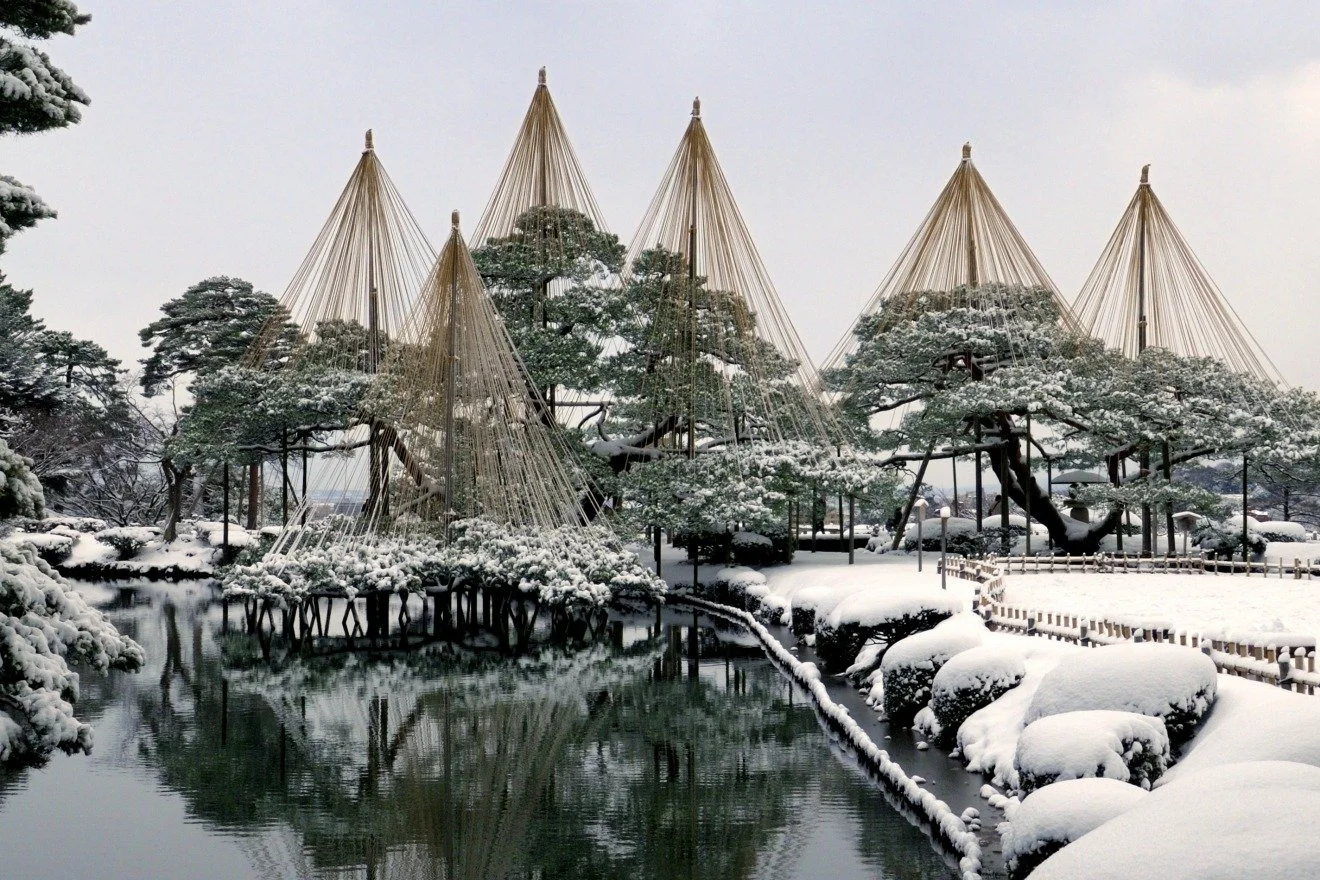
One of the most iconic sights in Kenrokuen during winter is the yukitsuri, the graceful bamboo supports that protect the garden’s pine trees from heavy snow. These conical structures, radiating from the tree trunks like delicate spokes, are both practical and poetic. They prevent branches from breaking under the weight of snow, but they also create a stunning visual symbol of Japanese ingenuity and seasonal care. Seeing these supports against a backdrop of snow feels like witnessing a centuries-old tradition come alive.
Read more by clicking on the link.
The magic of roasted chestnuts in Japan.
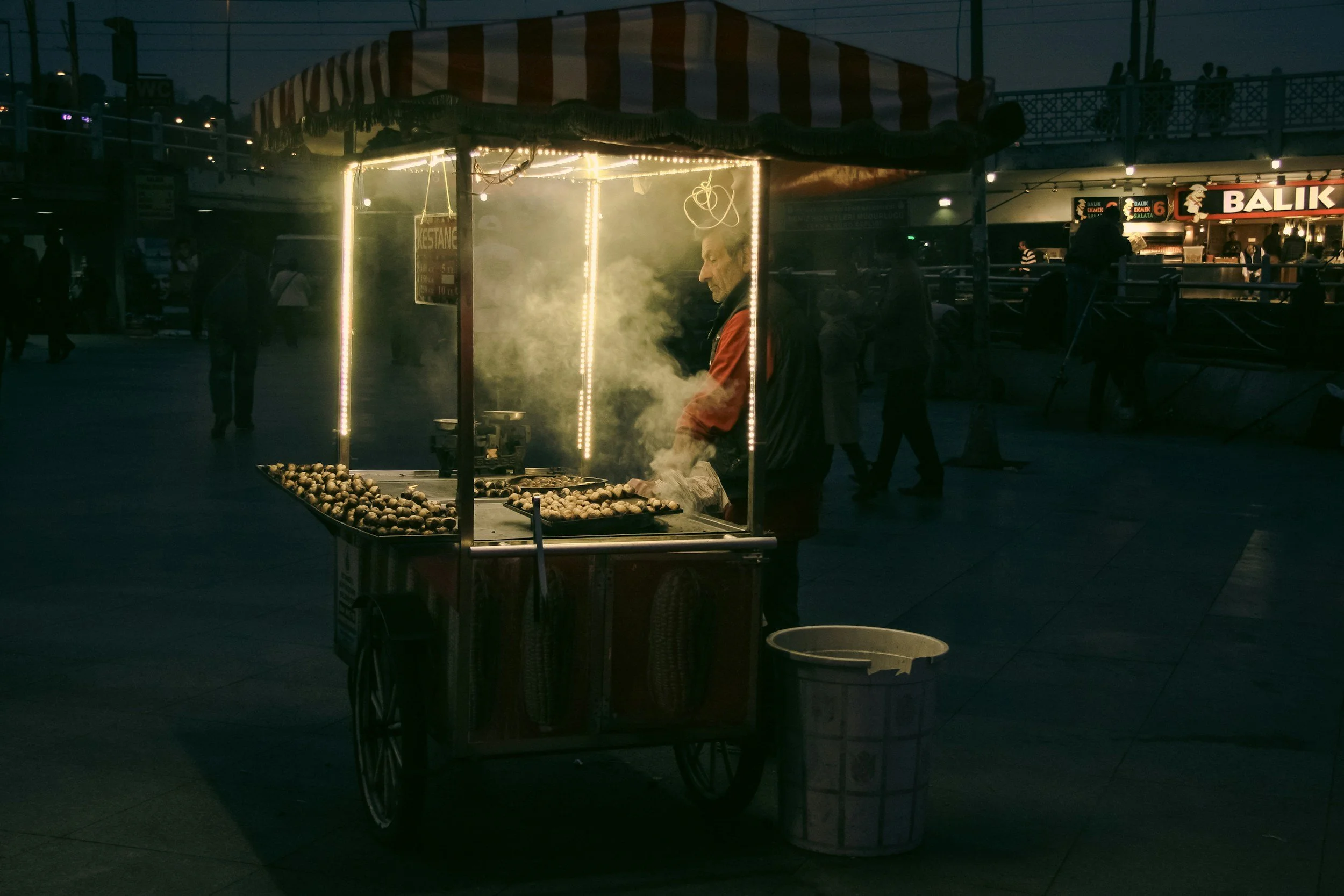
When the crisp air of autumn turns into the chill of winter, Japan greets the season with one of its most nostalgic aromas: roasted chestnuts, or kuri-yaki. Walk through a shopping street or near a train station, and you’ll catch that sweet, earthy scent drifting from small stalls. It’s a smell that says, “Winter is here.”
Chestnuts have a long history in Japan, dating back over a thousand years. Originally a staple food, they were cultivated as early as the Jomon period and later became a seasonal delicacy. Today, they’re not just roasted, they’re transformed into some of the most delightful desserts and dishes of the season.
Click below for more!