A couple of weeks ago, I wrote about how I relax with detective novels.
Most people probably don't hear "murder mystery" and think "self-care," but I've long since accepted that my brain is wired a little differently. Give me a quiet afternoon, a cup of tea, and a fictional homicide to solve, and I'm perfectly happy.
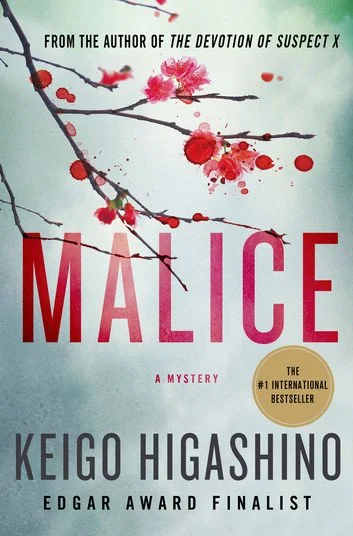
After recently enjoying Tokyo Express by Seichō Matsumoto, I decided to stay with Japanese detective fiction and listen to Malice by Keigo Higashino.
I thought I knew what I was getting into.
I was wrong.
And somehow it's absolutely gripping.
Click below to read more.
One of my favorite things about living between cultures is that there is always another story waiting to be discovered.
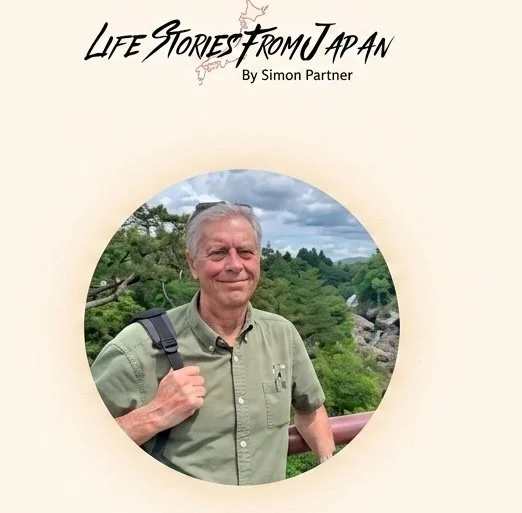
A little while ago, I had the pleasure of meeting Simon Partner, a history professor at Duke University, at an event in San Francisco's Japantown. Simon was visiting the Bay Area for the summer, researching the rich history of Japanese-Americans in San Francisco. What started as a casual conversation quickly turned into one of those encounters that reminds me why I love connecting with people who are curious about the world.
Mindfulness is often associated with slowing down and being present. For me, it's also about noticing the stories, people, and histories that shape the communities around us. That is exactly what I found in Simon's Substack, Life Stories from Japan.
Click below to read more.
I've been thinking about something recently, and I'm curious whether I'm the only one noticing it.
Over the years, a lot of people have reached out to me asking for advice. Sometimes they're interested in working in Japan. Sometimes they're looking for information about Japanese companies, introductions to people in my network, or guidance on navigating a career change. Most of the time, I'm happy to help. I've been fortunate to have many people help me throughout my career, and sharing a bit of what I've learned feels like a small way to pay that forward.
What I've noticed lately, though, is how often the interaction simply ends once the help has been provided.
Click below to read more.
After years in Japan, I've stopped noticing it, but visitors always do:
In Tokyo, people generally stand on the left and walk on the right.
In Osaka, people generally stand on the right and walk on the left.
Now why would that be!
Read more by clicking on the link.
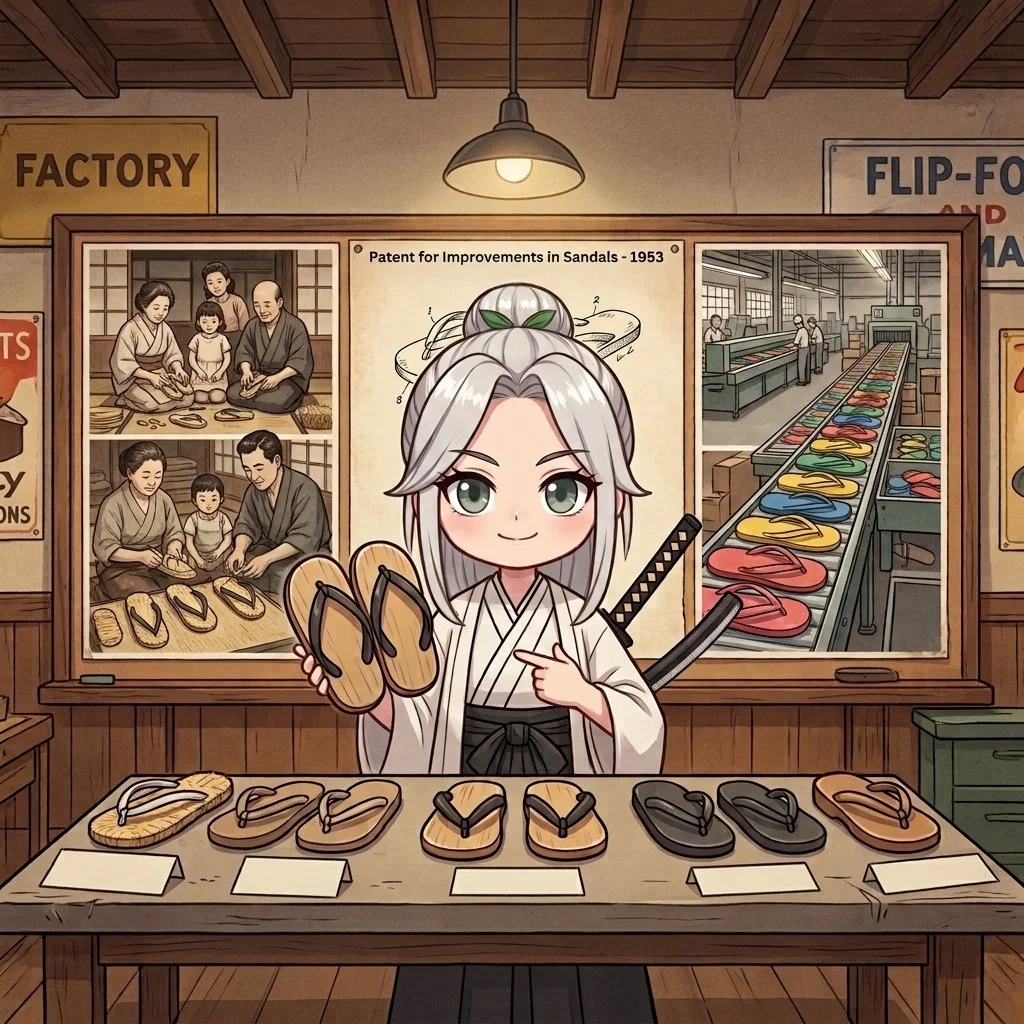
I came across a headline recently suggesting that the modern flip flop has roots in both Japan and the US, and honestly, that sounded just random enough to make me curious.
As it turns out, the traditional Japanese zōri sandal has been around for centuries. Then, after the war, versions of it started gaining popularity overseas. Somewhere along the way, Japanese design met American production and marketing, and before anyone knew it, the flip flop had conquered beaches, swimming pools, backyards, and airport security lines around the world.
Read more by clicking on the link.
One of the most valuable lessons I learned during my years living and working in Japan is that listening is often more powerful than speaking.
That may sound obvious, but it runs counter to many of the messages we receive throughout our careers. We're encouraged to contribute, share our ideas, and make our voices heard. Those are all important skills, especially in organizations that value initiative and visibility.
When I first started working in Japan, I sometimes interpreted silence as a lack of engagement. Meetings often felt different from what I was used to. Discussions could move more slowly, and people were often less inclined to immediately offer opinions or challenge ideas in a group setting. Over time, I realized that what looked like silence was often active listening.
Click below to read more!
This week, I’m working on an employee engagement session for the U.S. subsidiary of a Japanese company. As I was preparing, I found myself reflecting on a question that comes up often in my work: how different is employee engagement in a global organization compared to a local one?
At first glance, it seems like the answer should be "very different." Culture influences how people communicate, what they expect from leaders, how decisions are made, and even how comfortable employees are expressing their opinions. Anyone who has worked across countries knows that what works in one location may not automatically work in another.
Having spent many years working in Japan with Deloitte and now with Japanese companies in the US through JCO, I've seen these differences firsthand.
Click below to read more!
A Japanese expat manager recently received a surprise during their annual performance review in the U.S.: a comment from their American team that they were “distant and hard to approach.” The manager was stunned. In Japan, maintaining formality and emotional restraint is often seen as professional. In the U.S., it can be interpreted as cold or disengaged.
This moment revealed a deeper issue: the feedback gap between jinji and U.S. HR.
Click below to read more.
In a recent ruling, Mizuho Bank Ltd. successfully defended itself against a discrimination and retaliation lawsuit brought by a former U.S.-based vice president. While the legal outcome favored Mizuho, the case highlights a deeper issue that many global Japanese companies face: the perception of bias and the need for culturally intelligent HR practices. 最近の判決において、みずほ銀行株式会社は、米国拠点の元副社長による差別および報復に関する訴訟に対して、成功裏に自己防衛を果たしました。法的な結果はみずほ銀行に有利なものでしたが、このケースは、多くのグローバルな日本企業が直面しているより深刻な課題を浮き彫りにしています。それは、偏見の認識と、文化的知性を備えた人事施策の必要性です。
Read more by clicking below.