Last week, I wrote about the joy of having something to look forward to. At the time, my upcoming trip to Japan felt comfortably distant. Now, with departure just around the corner, as I’m writing this post, anticipation has been joined by a familiar travel companion: anxiety.
Not because I'm worried about the trip itself.
In fact, quite the opposite.
I'm looking forward to returning to Japan, reconnecting with friends, participating in the GLOBIS International Alumni Reunion and US-Japan Council Member Days, and working with a client on a new HR project. It's a trip filled with many of the things I care deeply about: learning, relationships, meaningful work, and community.
The anxiety comes from the feeling that there is still so much to do before I leave.
Click below to read more.
As October begins, I find myself looking forward to a trip that brings together many of the things I value most: learning, reconnecting, meaningful work, and friendship.
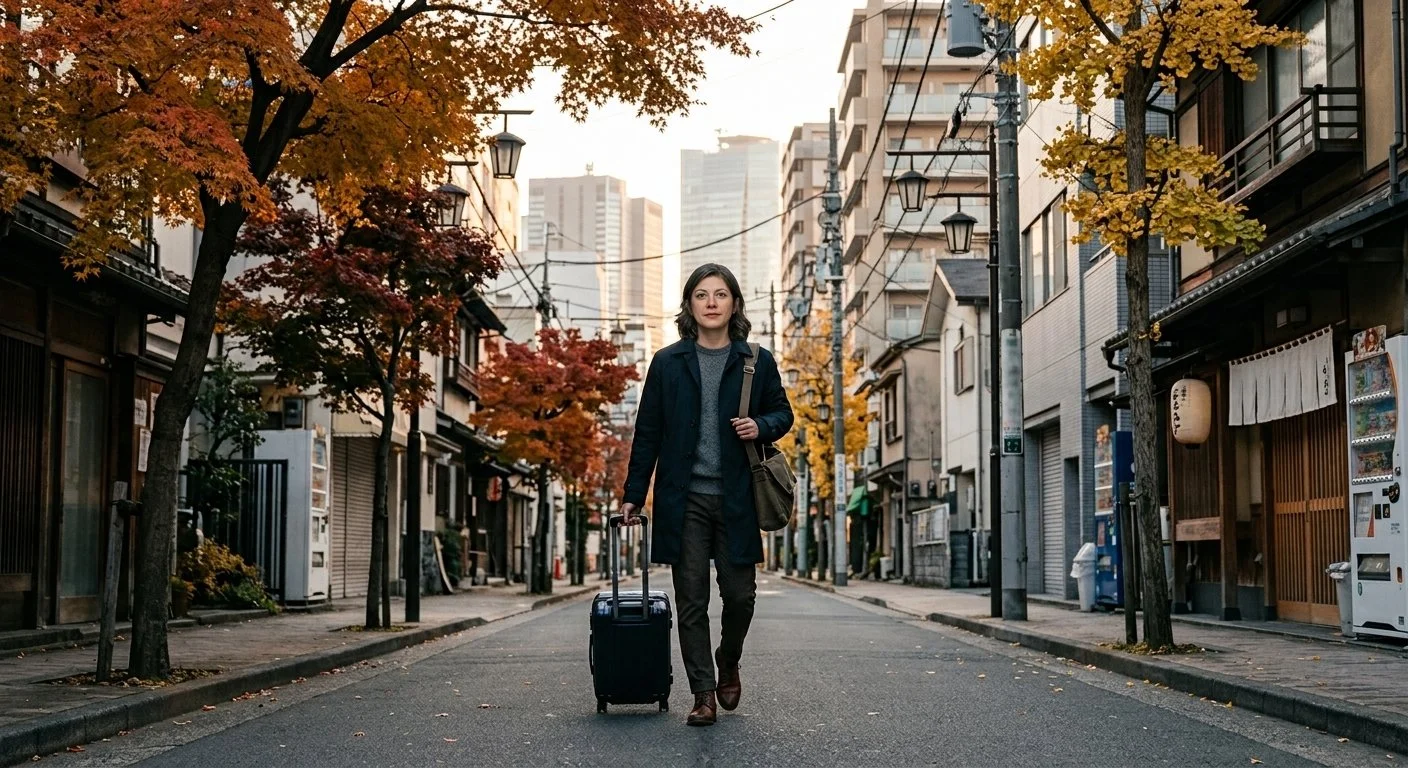
From 10 to 20 October, I'll be back in Japan, a country that has shaped so much of my personal and professional journey. Even though I no longer live there full-time, every visit feels a bit like coming home.
What excites me most about this trip is the opportunity to reconnect with communities that have had a lasting impact on my life. I'll be attending the GLOBIS International Alumni Reunion and participating in the US-Japan Council Member Days in Tokyo. Both gatherings bring together people with diverse backgrounds, experiences, and perspectives, united by a shared interest in leadership, cross-cultural understanding, and creating positive impact.
Click below to read more.
Last week, I visited New York for the first time.
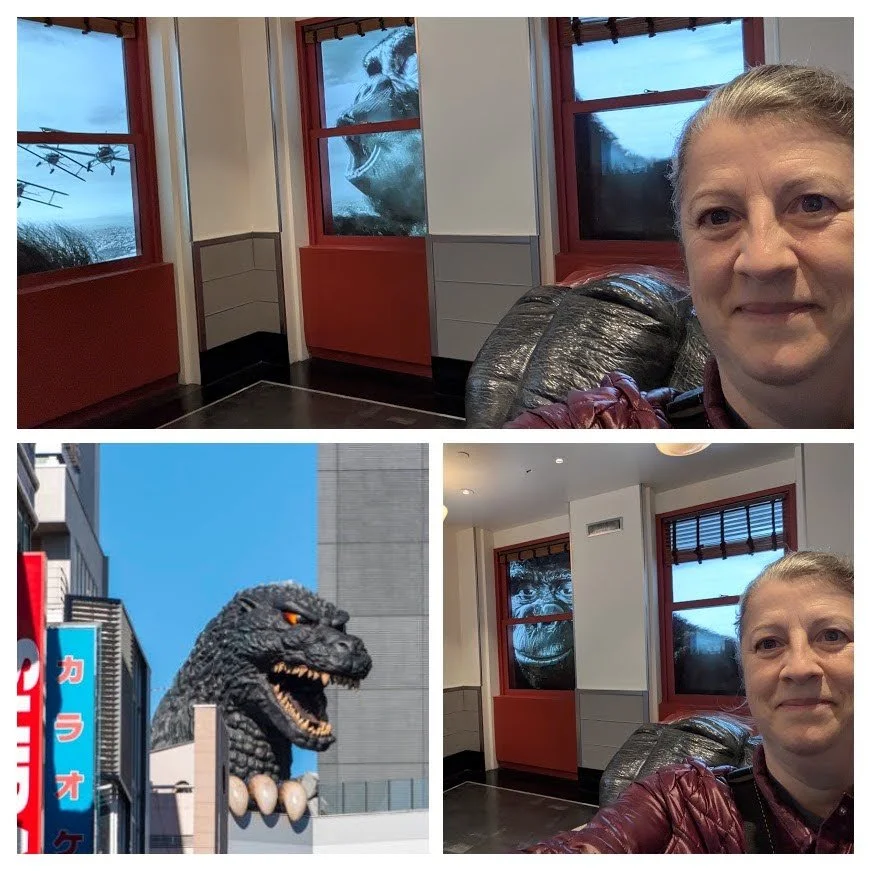
Of course, I had to visit the Empire State Building. And of course, I had to take one of those tourist photos with King Kong appearing in the background.
As I was looking at the photo later, it brought back a memory from my time in Tokyo.
Back in 2015, while I was living there, the head of Godzilla was installed on top of the Hotel Gracery in Shinjuku. It quickly became one of those landmarks that everyone seemed to photograph. Whether you were a tourist or a resident, you couldn't help but look up and smile.
And that's when it struck me.
New York has King Kong.
Tokyo has Godzilla.
Click below to read more.
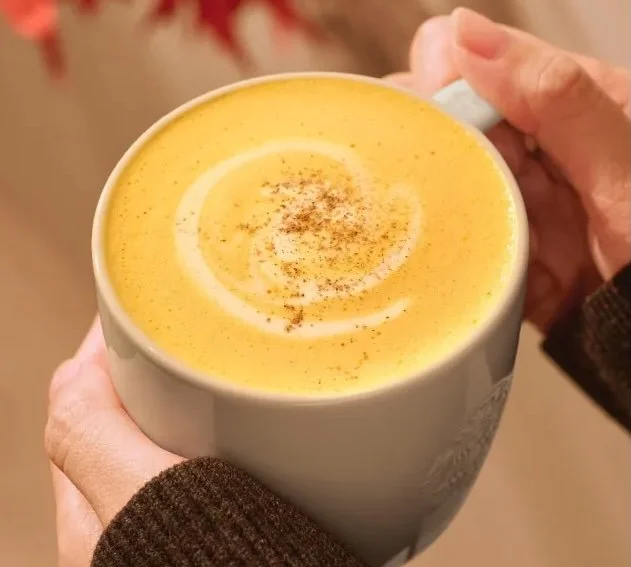
A few years ago, if someone had told me that one day I'd walk into Starbucks and order a pumpkin soup, I would have assumed they were joking.
Yet here we are.
I recently came across an article on SoraNews24 about Starbucks Japan's new Pumpkin Soupuccino, and it immediately caught my attention. Not because I'd tried it, but because I'd never even had the chance. The drink is a recent addition, and since I left Japan in 2018, this is one seasonal Starbucks creation that completely escaped me.
Still, it feels perfectly Japanese.
Read more by clicking on the link.
A recent trip to New York gave me the chance to finally visit the iconic Empire State Building.
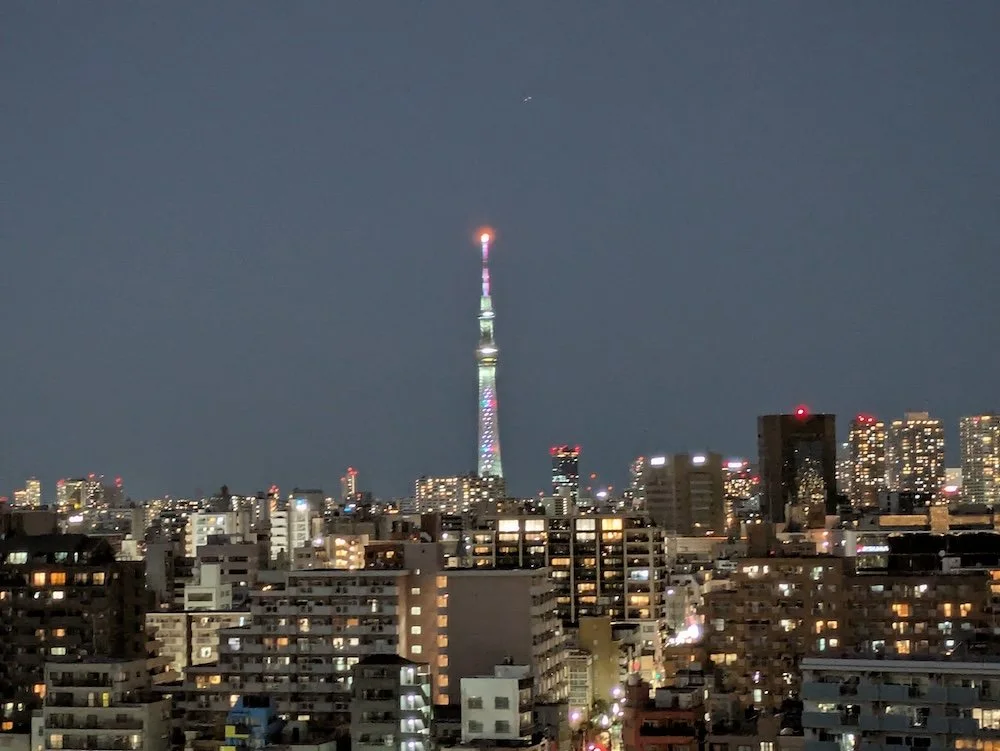
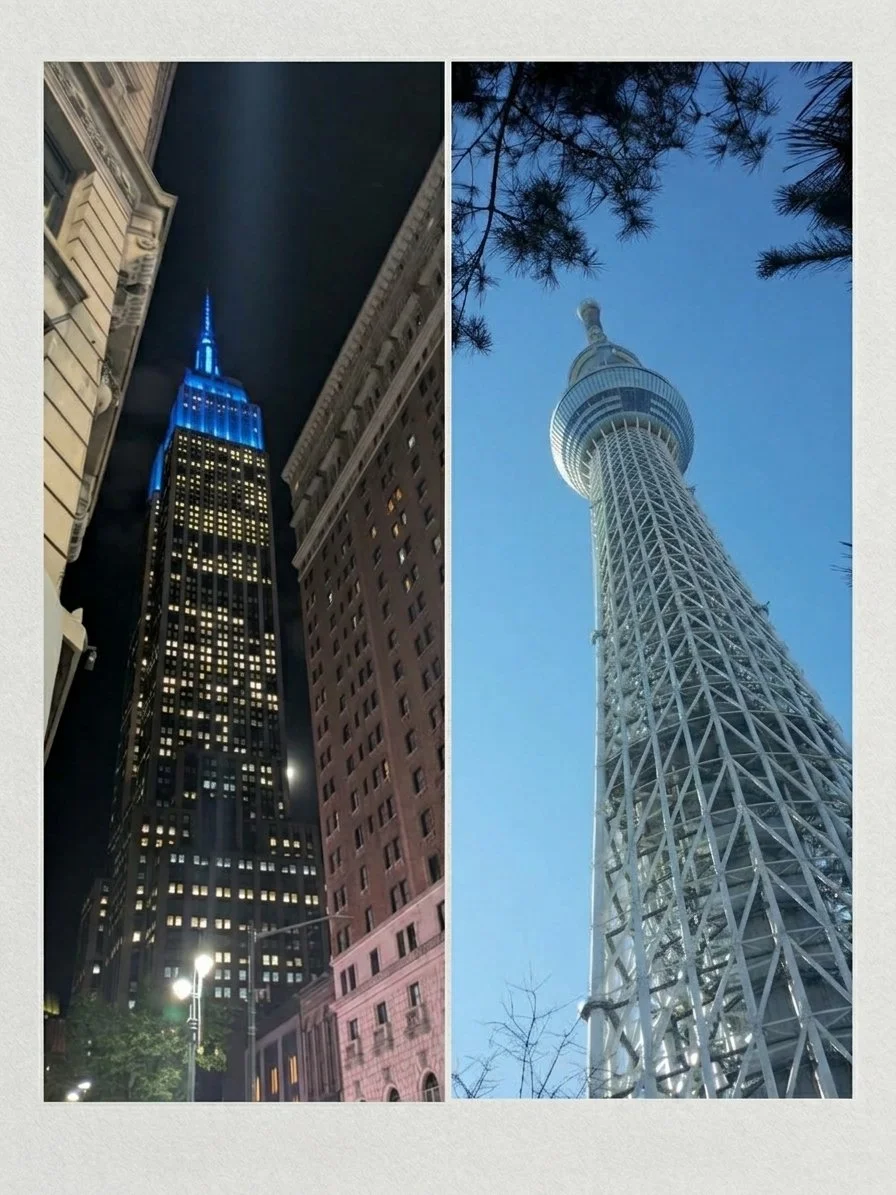
Standing on the observation deck, looking out over Manhattan, I couldn't help but compare the experience to one of my favorite Tokyo landmarks: Tokyo Skytree.
Of course, the two towers are very different. The Empire State Building feels like a living piece of history. It has that unmistakable Art Deco elegance and reminds visitors of a New York from another era. Tokyo Skytree, on the other hand, represents modern Japan. Sleek, futuristic, and purpose-built, it feels very much like a symbol of today's Tokyo.
Read more by clicking on the link.
As this post goes live, I'll actually be in Japan.
Ironically, that means I'll be experiencing a version of the challenge I'm writing about. While I'm in Japan, I'll still need to stay connected to colleagues, clients, and projects in the United States. The difference is that my situation is temporary. In a week or two, I'll be back home and sleeping on a normal schedule again.
Many of the Japanese managers I work with don't have that luxury.
Click below to read more!
A recent Japan Times article introduced me to the term "rust-out." As a European, I immediately recognized the concept, although we usually call it "boreout."
Most of us are familiar with burnout. It's the result of too much work, too much pressure, and too little time to recover. Rust-out comes from the opposite direction. It happens when people are not sufficiently challenged, when their skills are underutilized, and when they spend their days completing tasks that fail to engage them or make use of their capabilities.
Click below to read more!
A Japanese expat manager recently received a surprise during their annual performance review in the U.S.: a comment from their American team that they were “distant and hard to approach.” The manager was stunned. In Japan, maintaining formality and emotional restraint is often seen as professional. In the U.S., it can be interpreted as cold or disengaged.
This moment revealed a deeper issue: the feedback gap between jinji and U.S. HR.
Click below to read more.
In a recent ruling, Mizuho Bank Ltd. successfully defended itself against a discrimination and retaliation lawsuit brought by a former U.S.-based vice president. While the legal outcome favored Mizuho, the case highlights a deeper issue that many global Japanese companies face: the perception of bias and the need for culturally intelligent HR practices. 最近の判決において、みずほ銀行株式会社は、米国拠点の元副社長による差別および報復に関する訴訟に対して、成功裏に自己防衛を果たしました。法的な結果はみずほ銀行に有利なものでしたが、このケースは、多くのグローバルな日本企業が直面しているより深刻な課題を浮き彫りにしています。それは、偏見の認識と、文化的知性を備えた人事施策の必要性です。
Read more by clicking below.