

When a Mayor’s maternity leave becomes national news
This fall, Shoko Kawata, the 35-year-old mayor of Yawata in Kyoto Prefecture, will become the first sitting mayor in Japan's history to take maternity leave. On the surface, that sounds remarkable. Dig a little deeper, and it says a lot about what it is still like to be a working woman in Japan.
What makes her case unique is that maternity leave does not formally exist for elected officials. Because mayors are classified as public servants rather than employees, there was no established framework for her four-month leave. Instead, Yawata had to create a special arrangement, with the deputy mayor handling day-to-day responsibilities while Kawata remains involved in major decisions remotely.
The announcement sparked a national debate.
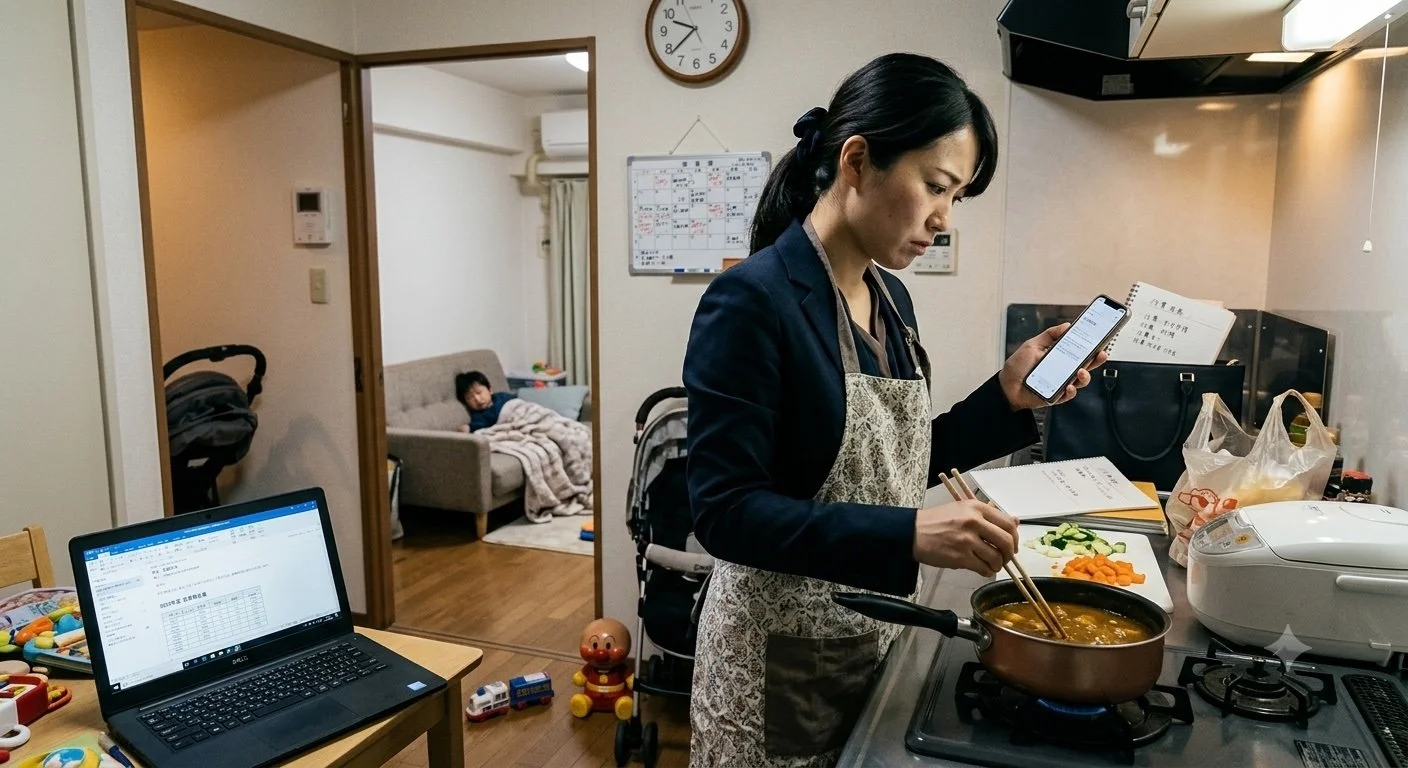
Many applauded her decision and saw her as a role model in a country struggling with both a declining birthrate and a persistent gender gap in leadership. Others argued that elected officials are "irreplaceable" and should not step away from their duties. Kawata herself expressed surprise at the backlash, noting that there is still a strong belief that people should sacrifice their personal lives for their careers.
Having worked in and around Japanese companies for years, I found the reaction familiar.
The irony is that Japan actually offers far more generous maternity and parental leave policies than the United States. Most women do take maternity leave. The challenge is rarely taking the leave itself. The harder part is returning to work afterward and continuing on the same career trajectory. Childcare can be expensive and difficult to secure, and societal expectations still place much of the responsibility for raising children on mothers.
There are signs of change, though. More fathers than ever are taking parental leave and becoming active partners at home. This is a significant shift in a culture where many men have traditionally felt intense pressure not to inconvenience colleagues by being away from work. In many companies, that pressure remains strong, but younger generations are increasingly challenging old assumptions about gender roles and childcare.
The workplace is evolving too. Japan has finally surpassed 15 percent women in leadership positions, an important milestone, but it remains far from the government's goal of 30 percent by 2030. Anyone who has worked in a Japanese organization knows that policies often change faster than culture.
That is why Kawata's announcement matters. It is not really about maternity leave. It is about visibility. When a leader publicly says she will have a child, take time away, and return to her role, she challenges the lingering idea that career and family are mutually exclusive.
The real sign of progress will be when a mayor taking maternity leave is no longer national news. Until then, stories like this are a reminder that Japan has built much of the legal framework to support working parents. The next challenge is making sure the culture catches up.
Want to learn more about Japanese business practices and how to succeed in cross-cultural environments?
Join one of JCO’s programs and gain practical insights into Japan’s unique business culture, communication styles, and strategies for collaboration. Together, we can create more opportunities for global success.
If you want to learn more about bridging language and cultural gaps in Japanese business, why not join one of our sessions! Here’s the link to upcoming sessions (make sure to select your timezone)
