

It’s not easy for men either: Rethinking gender pressures in Japan
In my previous article, I explored the “Christmas Cake” myth: a stereotype that once suggested women lose value after age 25, like a cake after Christmas. While that idea is thankfully fading, it made me think about something we rarely discuss: the pressures men face in Japan. Because if we’re honest, it’s not easy for men either.
I first became aware of these dynamics while working at a big consulting company in Japan. I was surprised when several young female colleagues told me they were only planning to work until marriage and children. It was a candid admission that revealed how deeply cultural expectations shape career decisions. At the same time, I noticed the pressure on men was just as intense, though rarely discussed.
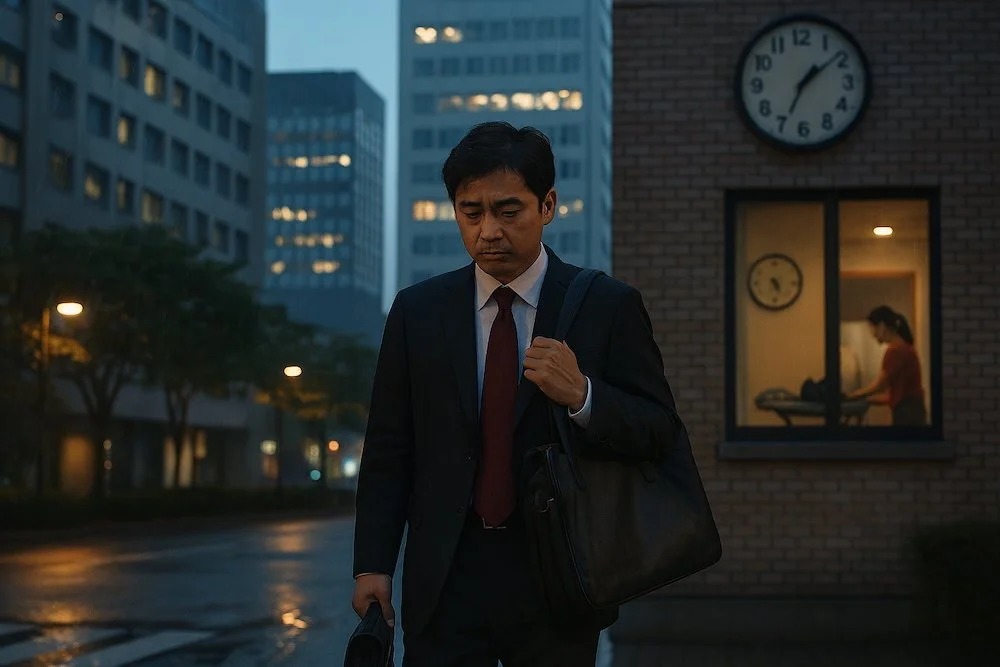
They were expected to conform to the salaryman ideal: lifetime employment, long hours, and unwavering loyalty to the company. Success wasn’t just professional; it was personal. Being the breadwinner was non-negotiable.
One colleague once joked that he felt like a “walking ATM” to his wife. It was said with humor, but behind the joke lies a truth: many men feel their worth is tied almost entirely to their paycheck. And when layoffs happen, as they increasingly do, the stress can be overwhelming.
The double bind is real: men are pressured to sacrifice personal time for work, and yet their identity at home depends on financial stability. On top of that, women now rightly expect men to share household responsibilities, which adds another layer of pressure to an already demanding role.
Why This Matters
These expectations create silent struggles. Unlike women’s challenges, which have sparked public debate and policy changes, men’s pressures remain largely invisible. Vulnerability is still stigmatized, and asking for help can feel like failure. In some heartbreaking cases, laid-off men have continued to pretend to go to work every day, hiding the truth from their families until the shame became unbearable, sometimes ending in suicide. This is not just a cultural quirk; it’s a serious social issue that demands attention.
Moving Forward
The good news is that change is possible, and it’s already starting. Younger generations are questioning rigid gender roles, companies are experimenting with flexible work arrangements, and conversations about mental health are slowly entering the mainstream. These shifts may feel incremental, but they matter. They open the door to a future where men and women can share responsibilities at home, pursue careers without fear of judgment, and define success on their own terms.
Creating that future will take effort from all sides: organizations that value work-life balance, leaders who model vulnerability, and families that embrace partnership over hierarchy. It’s not about lowering expectations, it’s about building a culture where everyone can thrive without sacrificing their well-being.
As we head into a new year, let’s commit to these conversations. Behind every cultural myth is a human story, and those stories, whether about women or men, deserve empathy, understanding, and change.
Together, we can make 2026 a year of progress toward a more balanced, humane way of living and working.
Want to learn more about Japanese business practices and how to succeed in cross-cultural environments?
Join one of JCO’s programs and gain practical insights into Japan’s unique business culture, communication styles, and strategies for collaboration. Together, we can create more opportunities for global success.
If you want to learn more about bridging language and cultural gaps in Japanese business, why not join one of our sessions! Here’s the link to upcoming sessions (make sure to select your timezone)
