

Sometimes the best part happens later
Over the past few months, I've had the opportunity to facilitate several workshops for Japanese companies in the U.S., as well as organisations that work closely with Japanese clients. Interestingly, a number of these clients specifically requested longer sessions, typically four or five hours rather than the more common two or three-hour format.
Reflecting on those experiences, a few things stood out.
The first was that the value wasn't in covering more content. In fact, we often covered less.
Instead, the additional time created space for deeper conversations.
Click below to read more!
What happens when you stop being the first to talk
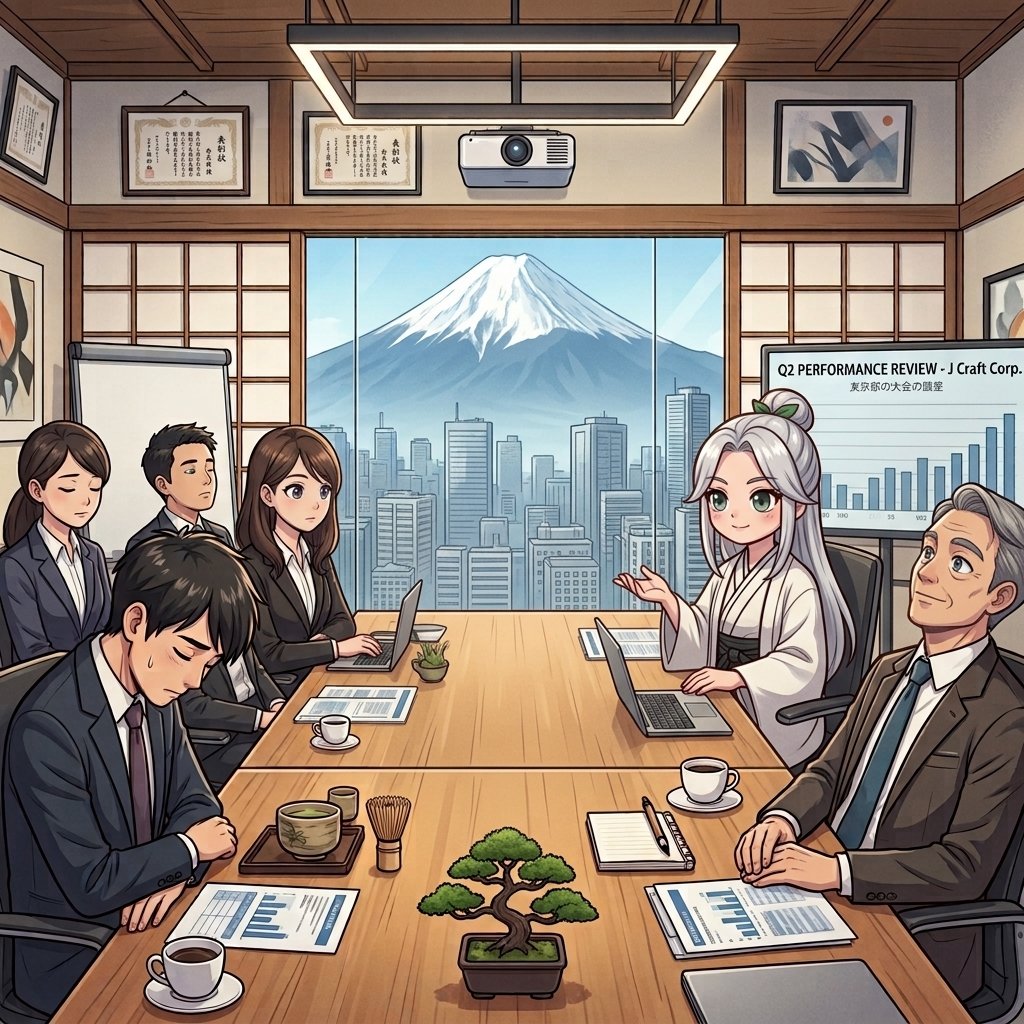
One of the most valuable lessons I learned during my years living and working in Japan is that listening is often more powerful than speaking.
That may sound obvious, but it runs counter to many of the messages we receive throughout our careers. We're encouraged to contribute, share our ideas, and make our voices heard. Those are all important skills, especially in organizations that value initiative and visibility.
When I first started working in Japan, I sometimes interpreted silence as a lack of engagement. Meetings often felt different from what I was used to. Discussions could move more slowly, and people were often less inclined to immediately offer opinions or challenge ideas in a group setting. Over time, I realized that what looked like silence was often active listening.
Click below to read more!
I expected cultural differences, what I found was something else
This week, I’m working on an employee engagement session for the U.S. subsidiary of a Japanese company. As I was preparing, I found myself reflecting on a question that comes up often in my work: how different is employee engagement in a global organization compared to a local one?
At first glance, it seems like the answer should be "very different." Culture influences how people communicate, what they expect from leaders, how decisions are made, and even how comfortable employees are expressing their opinions. Anyone who has worked across countries knows that what works in one location may not automatically work in another.
Having spent many years working in Japan with Deloitte and now with Japanese companies in the US through JCO, I've seen these differences firsthand.
Click below to read more!
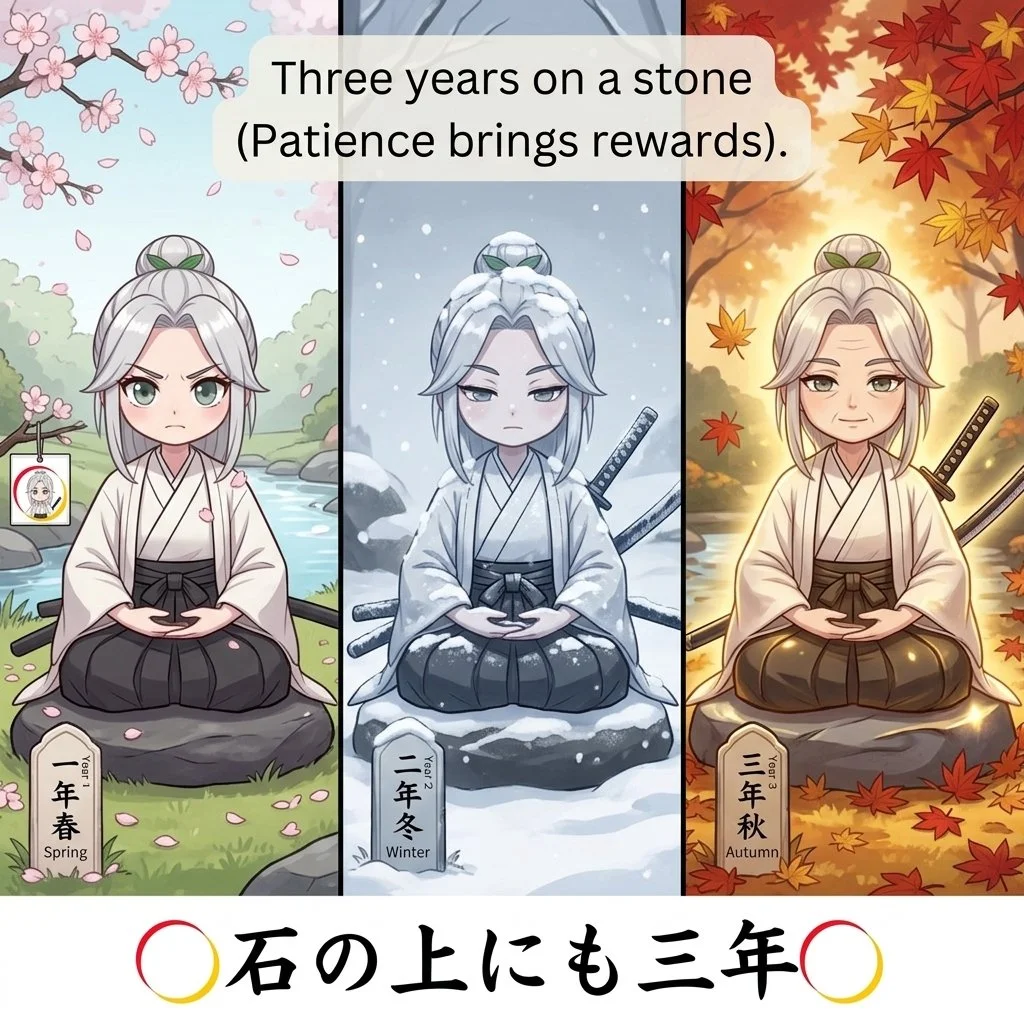
Three years on the stone: What 石の上にも三年 means to me
This month marks my three-year anniversary with JCO. When I graduated in Japanese Studies almost 30 years ago, I could not have imagined that one day I would be celebrating a three-year anniversary at a company started by someone who shared that same academic journey.
Life rarely moves in straight lines. It tends to move in circles.
One of the most unexpected gifts of the past three years has been rediscovering a connection with Olivier. We both studied Japanese Studies, graduating around the same time, then followed our own paths through different countries, companies, and life chapters. Like many relationships, ours disappeared into the background noise of busy careers and changing circumstances.
And then, decades later, our paths crossed again.
Click below to read more!
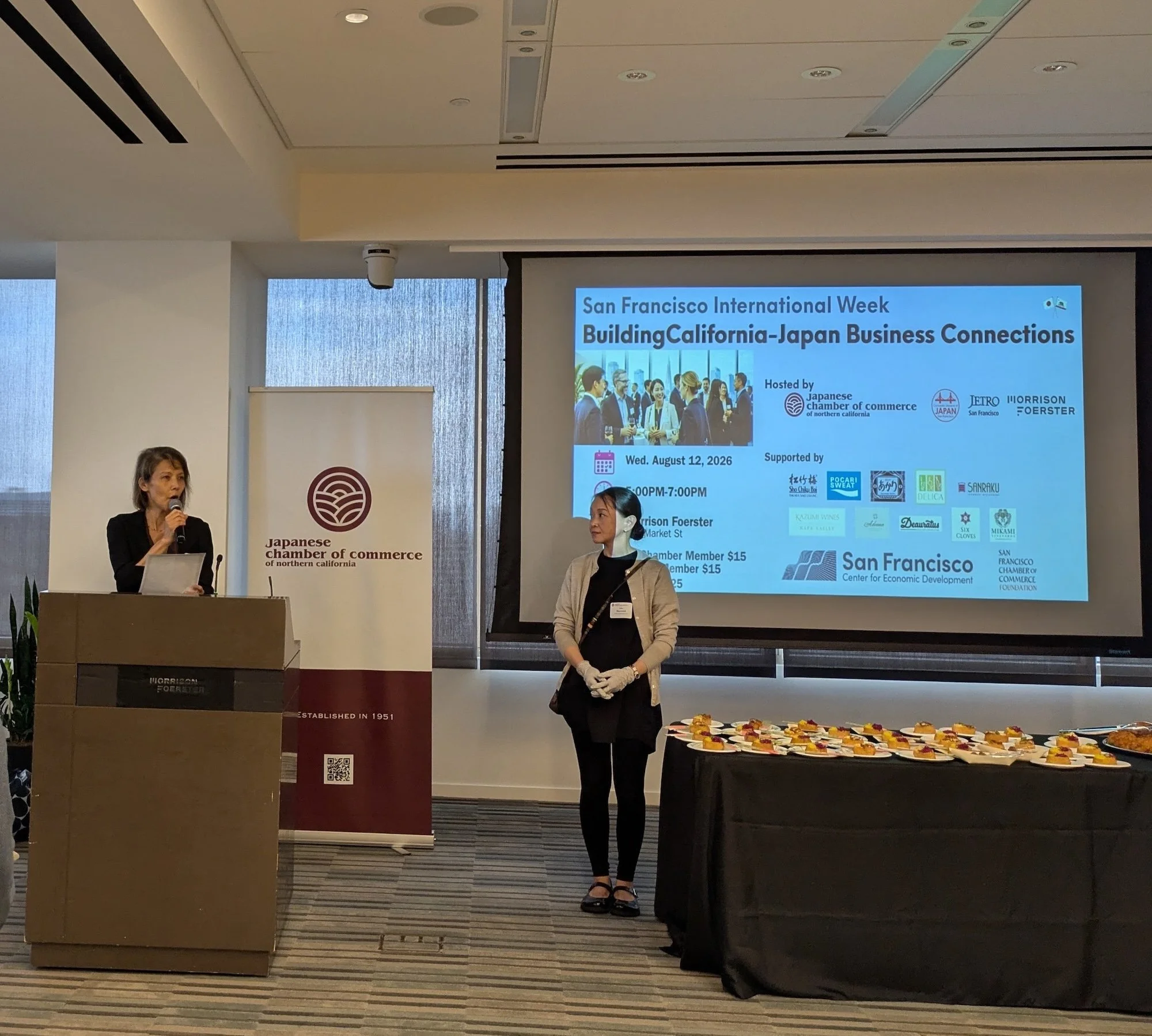
If you can’t be in Japan, be in the Bay Area
Last week I attended the Building California-Japan Business Connections event in San Francisco, and it reminded me why I always tell people that the Bay Area is probably the next best thing to being in Japan when it comes to connecting with Japanese companies.
What struck me before I even walked through the door was that this event was part of San Francisco International Week, a full week of programs organized by the San Francisco Chamber highlighting the region's global business connections. The Japan-focused evening was co-organized by the Japanese Chamber of Commerce of Northern California (JCCNC) with support from JETRO San Francisco, which says a lot about the importance of the California-Japan relationship.
Click below to read more!

The hidden cost of working in a second language
Last week, I facilitated a four-hour workshop at a client offsite at the Hilton in Los Angeles, entirely in Japanese.
What's interesting is that neither English nor Japanese is my native language. I've spent most of my adult life working professionally in both, and I use them every day. Yet after four hours of teaching, facilitating discussions, and answering questions in Japanese, I was exhausted in a way that surprised me.
The workshop went well. The participants were engaged, the discussions were lively, and the objectives were met.
But on the flight back to San Francisco, I found myself reflecting on why it felt so much more draining than delivering the same workshop in English.
The answer, I think, is that fluency and effortlessness are not the same thing.
Click below to read more!

Japan’s population shift is becoming a global business challenge
Japan's latest population figures tell a story that goes far beyond declining birth rates.
As of January 2026, the number of Japanese citizens has fallen below 120 million for the first time in more than 40 years, while the foreign resident population has surpassed 4 million, reaching a record high. Much of the discussion focuses on labor shortages inside Japan, but the implications extend far beyond Japan's borders.
As Japan's workforce shrinks, Japanese companies are becoming increasingly dependent on international talent, both in Japan and in their overseas operations. At the same time, many organizations are finding it harder to identify enough Japanese employees to support global growth through expatriate assignments.
Click below to read more!

Your work persona in Japan
After Monday's reflection on the many personas we carry, I've been thinking about the one that often requires the most conscious effort: our work persona.
When I first started working in Japan, I assumed professionalism meant fitting into a certain mold. I spent a lot of time observing how people communicated, how decisions were made, and what was expected in different situations.
What I eventually realized is that Japanese business culture isn't asking you to become someone else. It's asking you to be aware of your surroundings.
Click below to read more!