

Why build in Japan? Notes from an unexpectedly eye‑opening event
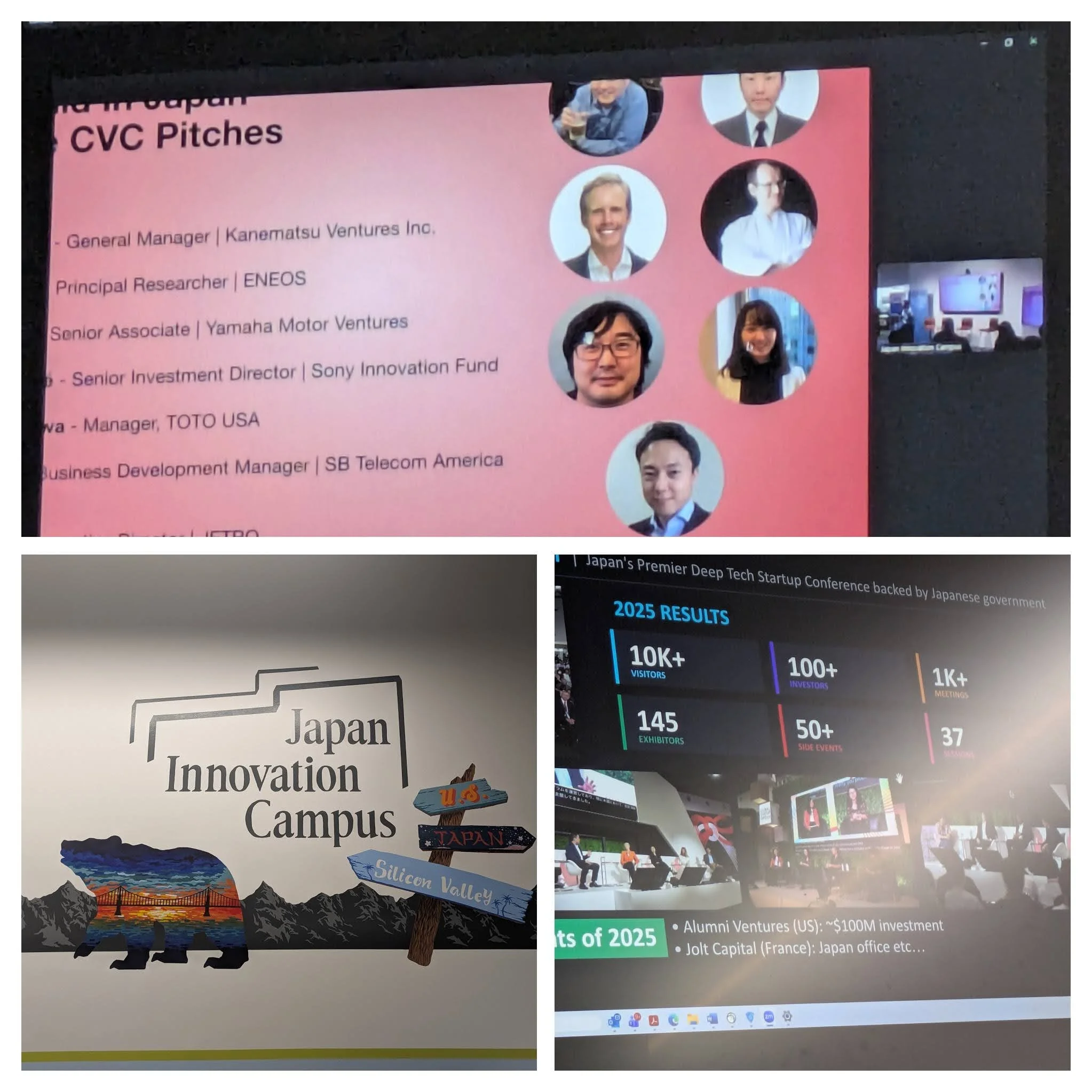
I spent last week Thursday in a very unglamorous Palo Alto motel, and honestly, it was perfect, because the event I attended at the Japan Innovation Campus that night turned out to be far more thought‑provoking than I expected. There were so many participants that I ended up in the overflow room, which tells you everything: this topic is booming, and people are paying attention.
This was another excellent event hosted by Alchemist. The theme was “Why build in Japan?” and I came away feeling that Japan is at a genuine inflection point. There was a lot of talk about greenfield investment opportunities and a reminder that yes, Poland’s GDP is projected to move ahead of Japan’s. Not as a doom statistic, but as a signal. Japan has an opening to leap forward again, especially through soft power.
Noahpinion’s analysis came up several times: Japan is safe, stable, predictable, and culturally magnetic in a way the world is suddenly paying attention to again.
On the tech side, Kimaru AI shared insights on AI, causal AI, and supply‑chain optimization. But what interested me most wasn’t the specific technologies; it was the tone of ambition. A real one. A kind of “we’re ready to build big again” energy.
Several speakers pushed back hard against the idea that Japan is risk‑averse. If you look at the 60s and 70s, Japan was fast, bold, and unapologetically innovative. And according to the folks at JIC, that mindset is re‑emerging. There’s growing awareness globally that Japan is a favorable alternative to China, especially in fields where IP security and predictable governance matter. And in the age of AI, embodied AI and robotics give Japan a natural platform to lead again.
The advice for foreign companies eyeing the Japanese market was refreshingly direct.
First: bring the right ideas. The areas with the strongest fit right now are consultancy talent, process automation, resilience and defense tech, and anything in embodied AI, especially robotics. Japan values deep expertise, and these categories align perfectly with both market needs and cultural strengths.
Second: go early if you want top talent. The message was almost urgent: if you wait until everyone else catches on, the recruitment landscape will look very different.
Third: do not copy‑paste your US strategy into Japan. Longer sales cycles are normal, but loyalty is unmatched once you’re in. Relationships matter, patience matters, and for AI companies especially, maintaining a strong connection to Silicon Valley is essential for credibility.
Riding back to my motel that night, under the neon signs on El Camino, I felt strangely optimistic. Japan isn’t just a place I work with, it’s a place I believe in. And hearing Silicon Valley founders and investors talk about Japan not as a puzzle but as a genuine innovation hub reminded me why I do this work. Something is shifting, quietly but decisively. And if the conversations at JIC are any indication, Japan is stepping into a new chapter:globally connected, ambitious, and ready to build big again.
Want to learn more about Japanese business practices and how to succeed in cross-cultural environments?
Join one of JCO’s programs and gain practical insights into Japan’s unique business culture, communication styles, and strategies for collaboration. Together, we can create more opportunities for global success.
If you want to learn more about bridging language and cultural gaps in Japanese business, why not join one of our sessions! Here’s the link to upcoming sessions (make sure to select your timezone)
