

Catnomics: When I realized my cat obsession is also an economic force
This week I learned something both comforting and slightly alarming: my long‑standing obsession with cats is not just personal. It is economic.
After reading about Japan’s so‑called catnomics, the term used to describe the very real money generated by the country’s feline fixation, I had a small moment of clarity. All those years I spent surrounded by cat‑themed everything were not simply the result of weak willpower and good design. They were the outcome of a system that understands exactly how culture, emotion, and spending intersect.
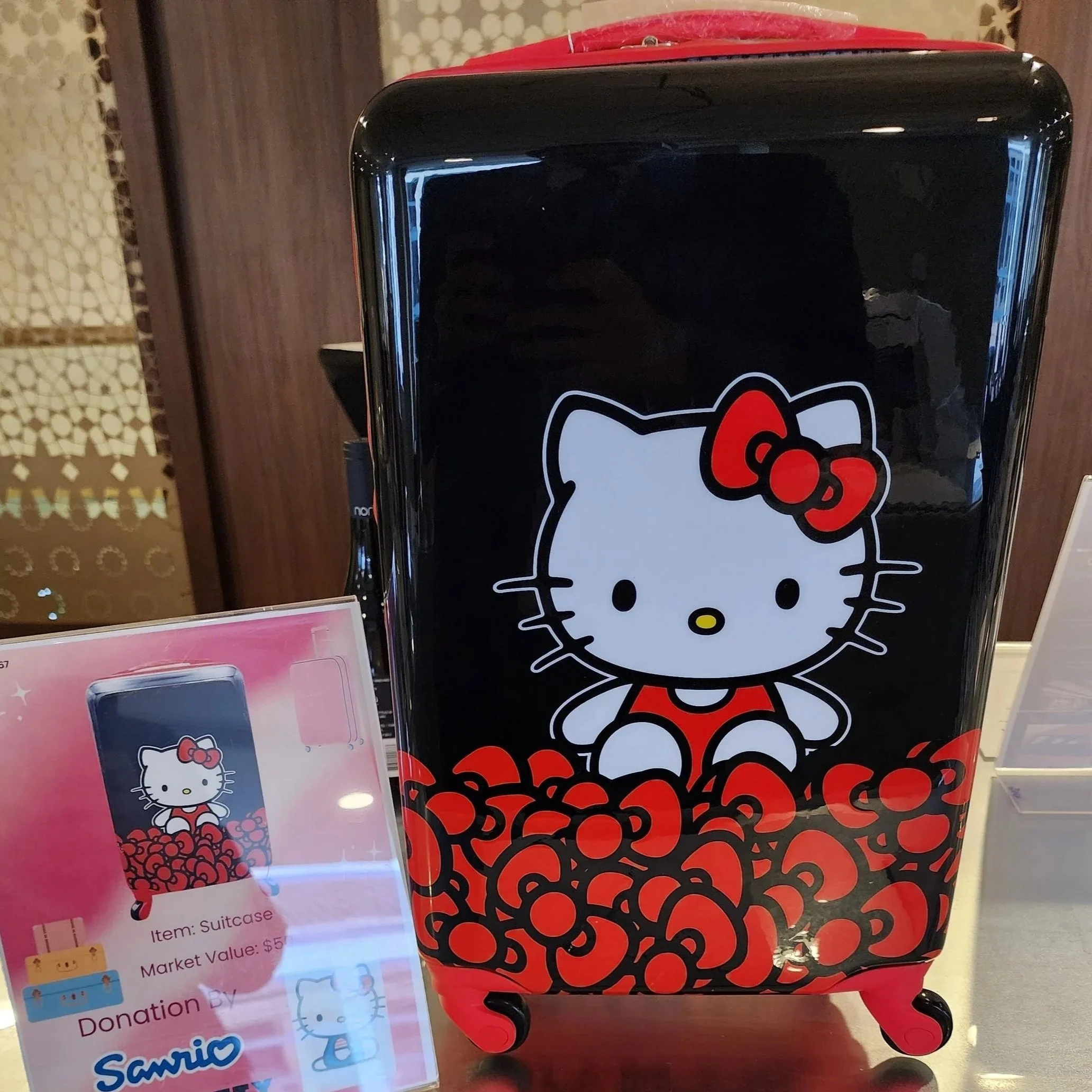
In Japan, cats are not a niche interest. They sit comfortably in the mainstream, showing up in temples, neighborhoods, literature, cafés, packaging, and retail spaces. They are friendly without being demanding, symbolic without being heavy, and appealing across age groups and lifestyles. From a consumer perspective, they are the perfect connector. From an economic perspective, they are incredibly efficient.
What struck me most is how little any of this feels like marketing. Cats are simply there, woven into places people already value. You encounter them while walking through a shopping street, visiting a temple, or picking up a small gift. The decision to buy something cat‑related rarely feels like a decision at all. It feels like a natural extension of the experience. Individually, these purchases are small. Collectively, they support publishing, tourism, retail, hospitality, and pet‑related industries on a massive scale.
Looking back on my time in Japan, this explains a lot.
I was not just accumulating cat towels, ceramics, stationery, and charms. I was participating, enthusiastically, in a cultural economy that had made cats both meaningful and monetizable. Japan did not aggressively sell cats to me. It gently placed them everywhere and trusted that people like me would do the rest.
Reading about catnomics also made me realize there is one very obvious gap in my past Japan life. Somehow, I never made it to Tokyo’s self‑proclaimed cat town. Now that I know it exists, and that it functions as a living example of how cats drive foot traffic and local business, it has moved straight to the top of my list. Next time I am in Tokyo, I know exactly where I am going.
This time, however, I will be going in prepared.
I will enjoy the atmosphere. I will admire the cat‑shaped signs and sweets. I will absolutely buy something. But I will also set a budget beforehand, because understanding the economics of catnomics does not make one immune to it. It just makes the experience slightly more self‑aware.
Japan taught me many things while I lived there. One of them, apparently, is that when cats are involved, culture and commerce can align so smoothly that you barely notice the transaction. You just notice that you are smiling, holding a small cat‑shaped object, and wondering how it followed you home.
Catnomics Article Source: McCurry, Justin. “‘Catnomics’: how Japan’s feline fixation has become an industry worth billions.”
The Guardian, 26 May 2026.
