

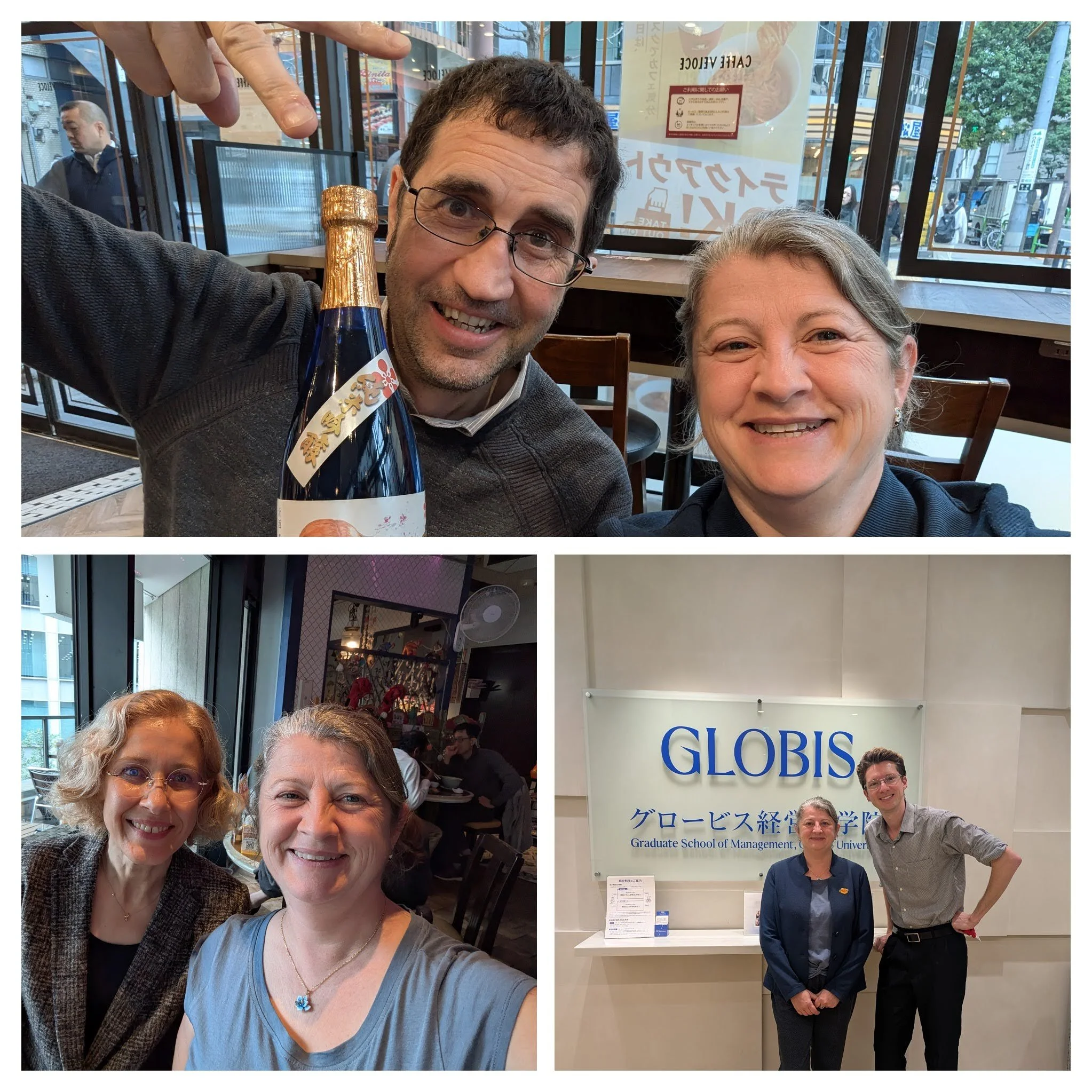
A fruitful first day back in Tokyo: how long lasting connections keep creating new opportunities
There is something energizing about landing in Tokyo and diving straight into meetings with people like Rob Van Nylen of Akisha, Zach Krause at GLOBIS University, and Maya Matsuoka. Maybe it is the city’s rhythm: efficient yet warm, fast yet thoughtful. Or maybe it is the way connections formed years ago continue to show up in new and unexpected ways. My first day back reminded me that in Japan, relationships do not just endure. They mature quietly and steadily, and when you least expect it, they bear new fruit.
Click below to read more!
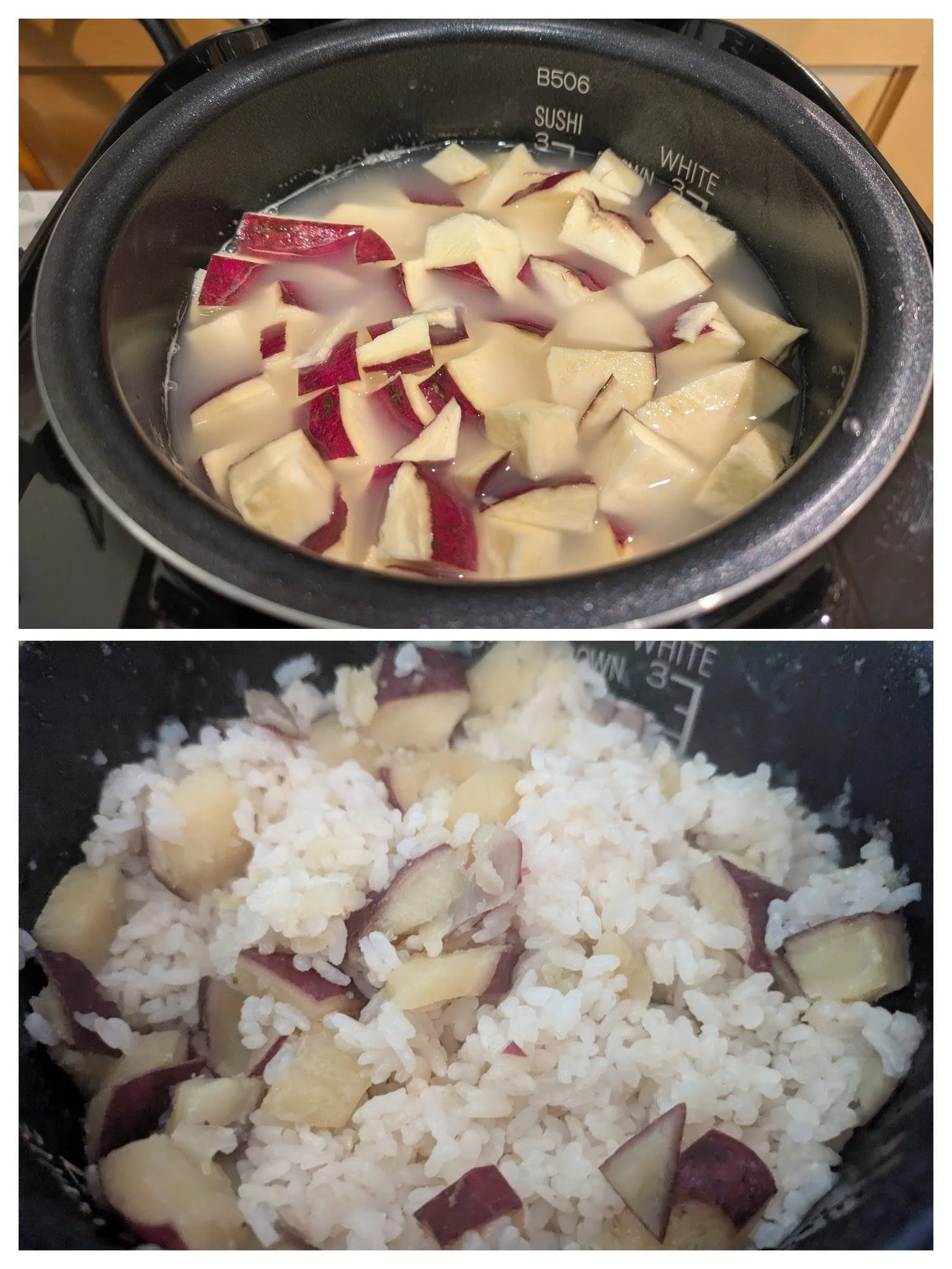
From famine food to comfort food: Satsuma imo gohan
Today’s mindful thought comes straight from my rice cooker, which continues to prove that it may actually be the hardest‑working appliance in my kitchen. I finally tried making satsuma imo gohan, Japanese sweet potato rice, using the recipe from JustOneCookbook.com, and I’m annoyed with myself for not doing this years earlier. It is absurdly easy, almost suspiciously so, and yet the result tastes like something with a long, thoughtful tradition behind it.
You literally chop a satsuma imo, soak it for a bit, toss it on top of your washed rice, add water and a splash of seasonings, close the lid, and push the button. The rice cooker does all the work while you wander off and pretend you’re busy. When it pops open again, you’re greeted by fluffy rice dotted with soft, naturally sweet cubes of potato that somehow feel both comforting and elegant. It’s the kind of dish that makes you want to stand in the kitchen with the spoon and “just taste a little more” until half of it is mysteriously gone.
Click below to read more!
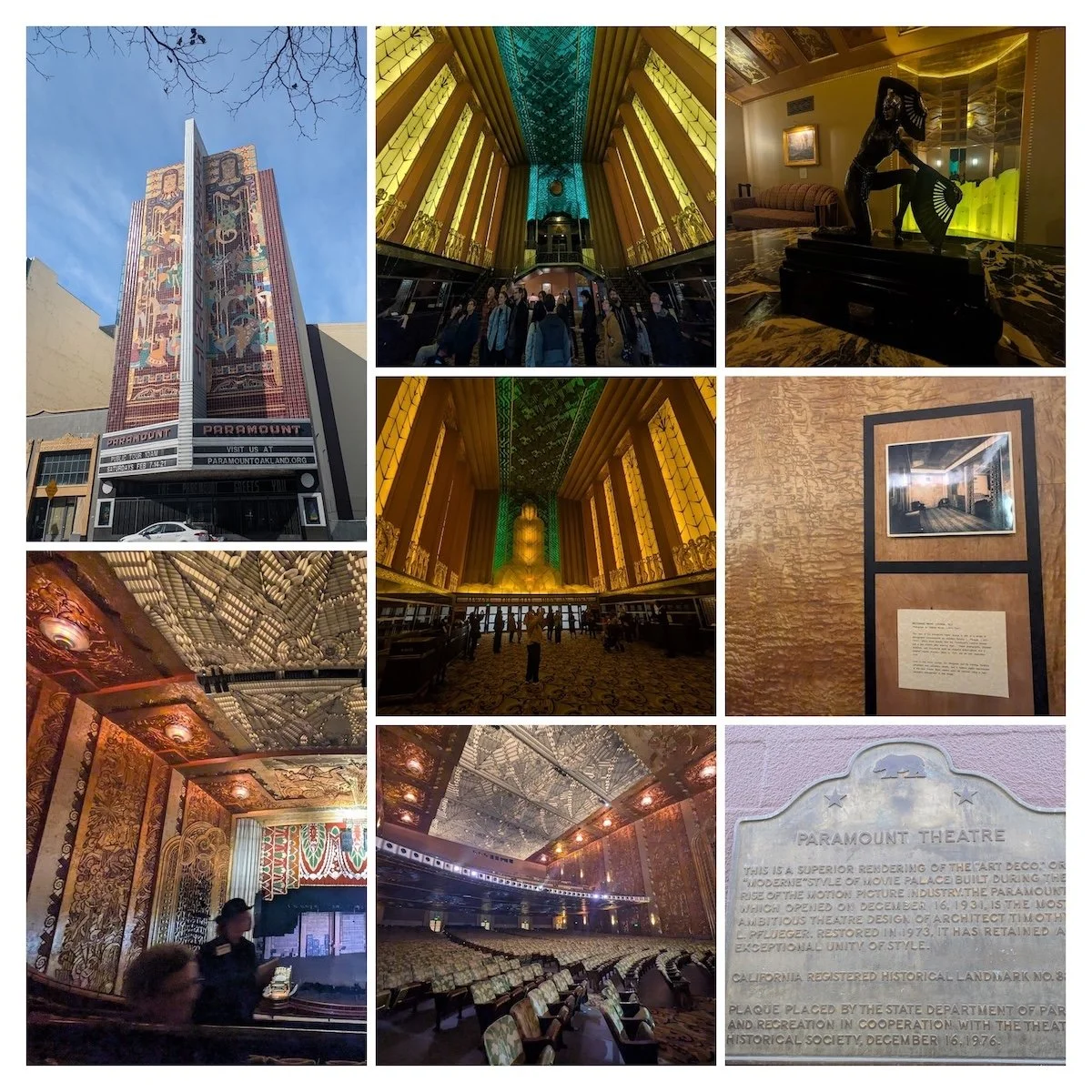
Whispers of Japan in an Oakland landmark
This Monday I am still thinking about my recent visit to the Paramount Theatre in Oakland. I knew it was an Art Deco landmark, but walking up to that towering façade felt almost surreal. The huge mosaic on the front of the building, which you can see in the first image of the collage, is so tall and intricate that it is hard to take in all at once. Standing on the sidewalk, looking up at that vertical mural against the winter sky, I already had the feeling that I was about to step into another era.
Inside, the theatre felt even more dreamlike. The long, soaring lobby and auditorium drew my eyes upward again and again. In the collage, there are a couple of photos taken from the center aisle, looking toward the stage and up into the dramatic green and gold ceiling. Being there in person felt like walking into a golden canyon of light and pattern. Every surface shimmered with details that only reveal themselves slowly, and it is the kind of space where you instinctively lower your voice even when there is no performance happening.
Click below to read more!
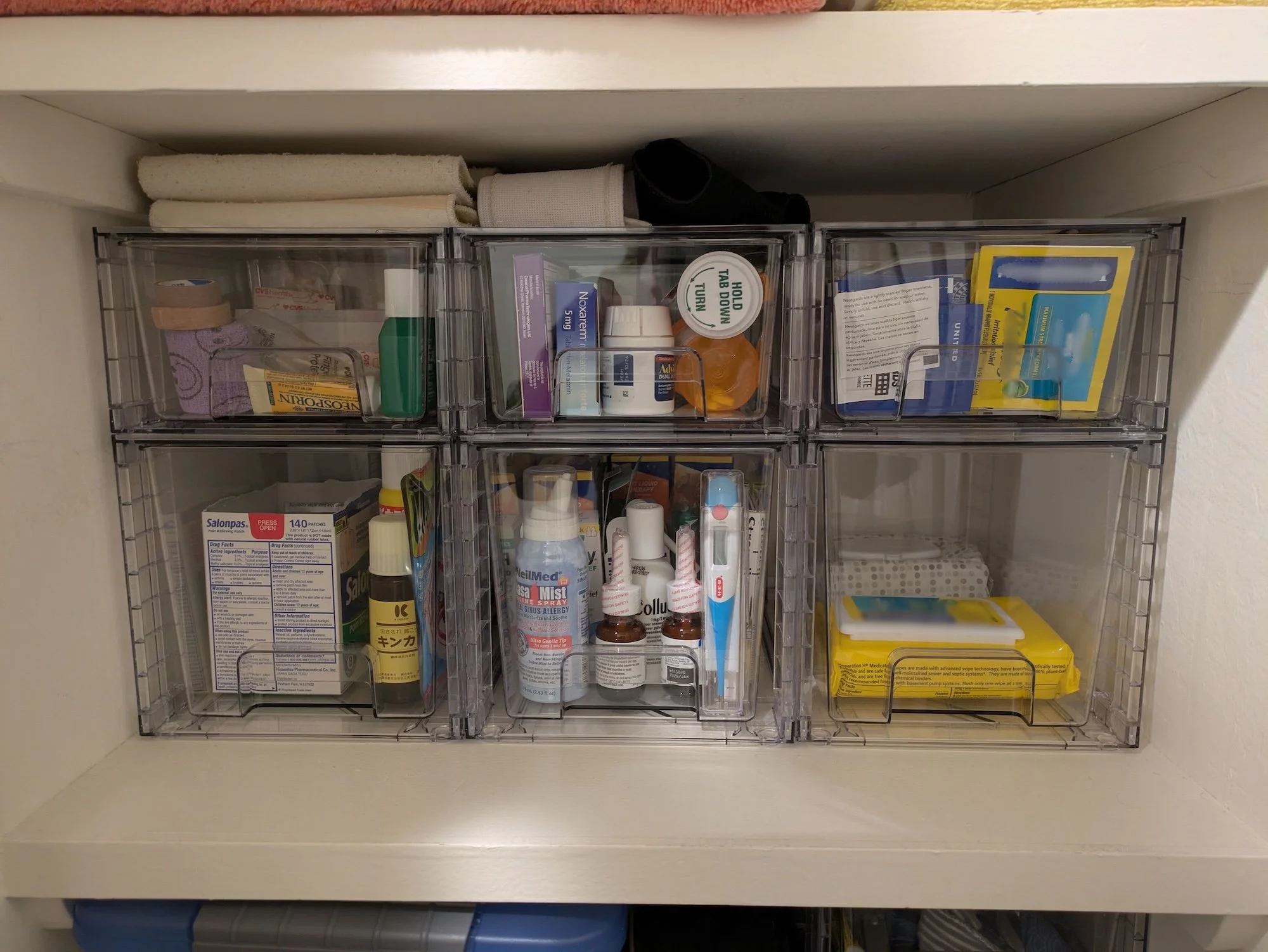
Clear drawers, clear mind: A Japanese approach to anxiety
I installed a set of clear drawers recently to keep the things I reach for most: medication, supplements, those small daily essentials, in one visible, accessible place. My husband is always a little amused when I come home with yet another organizing tool, but for me, there’s something genuinely calming about creating visible order. Sliding those clear drawers into place and seeing everything arranged inside felt like a tiny exhale. It reminded me so much of Japan, where organizing isn’t just tidying, it’s a form of gentle care, a way of making life feel smoother and less overwhelming.
That small moment made me realize how much I rely on order to soothe my mind. Not perfection. Not a Pinterest-level aesthetic. Just the grounded, everyday comfort of things having a place, and me knowing where that place is. It’s amazing how seeing what I need, clearly, simply, quietly lowers the background noise in my mind.
Click below to read more!
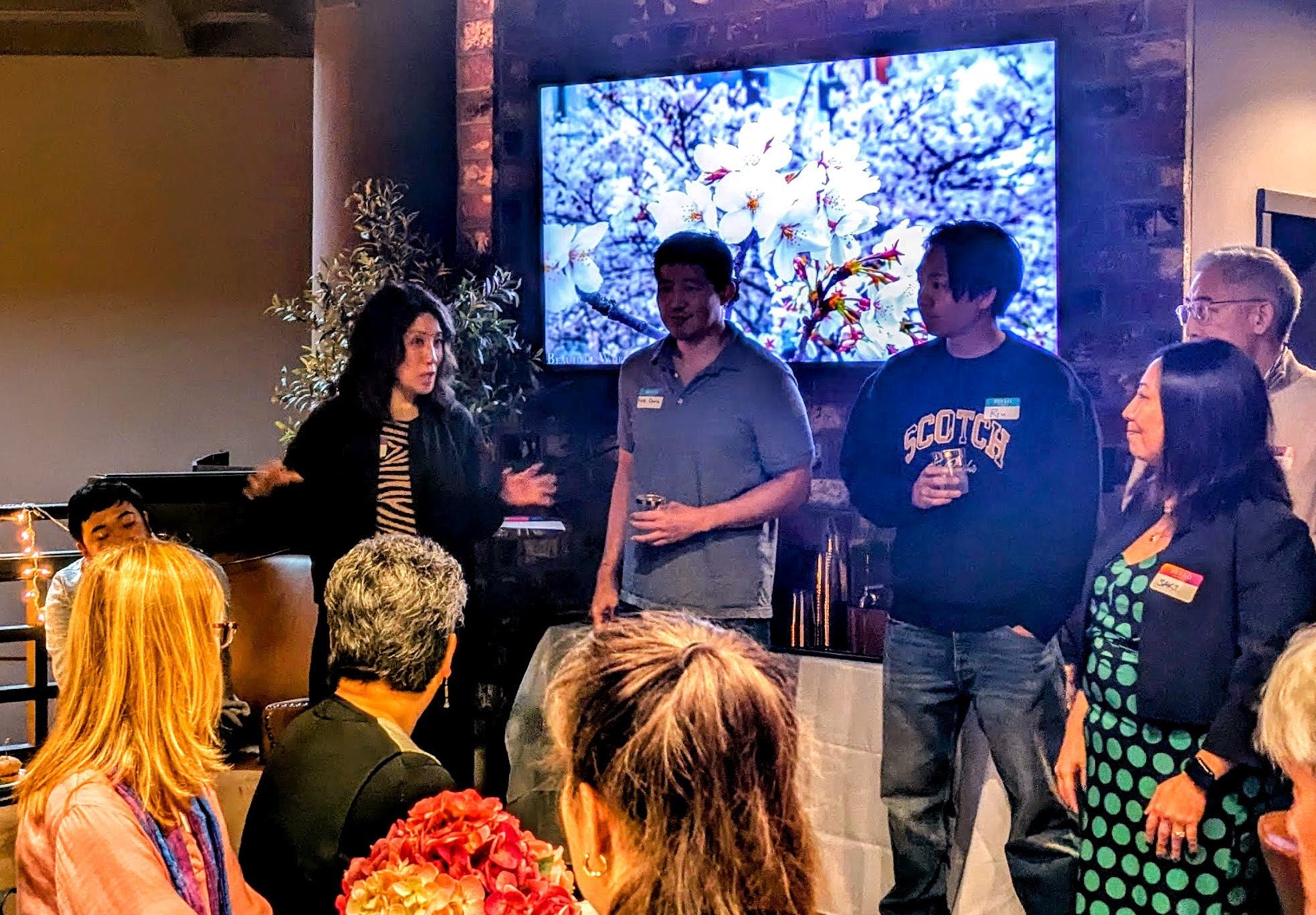
Heritage, community, and connection at the U.S.-Japan Council Shinnenkai
Yesterday I went to what will definitely be my last Shinnenkai of the year: the US-Japan Council NorCal & Nevada gathering at Fermentation Lab in Japantown, San Francisco. It was a lunchtime event, and that midday sun filtering into the restaurant added to the relaxed atmosphere. Instead of anything formal, it was a buffet where people wandered between tables, caught each other’s eye, and easily slipped into conversations. That casual setup made everything feel open and natural, and I found myself connecting with people I might not have spoken to in a more structured setting.
USJC President Audrey Yamamoto shared a little about the US-Japan Council’s projects to strengthen U.S.–Japan relations, but it felt less like a presentation and more like a heartfelt reminder of why this community matters. It set the tone for an afternoon where relationships, not agendas, were the center.
Click below to read more!
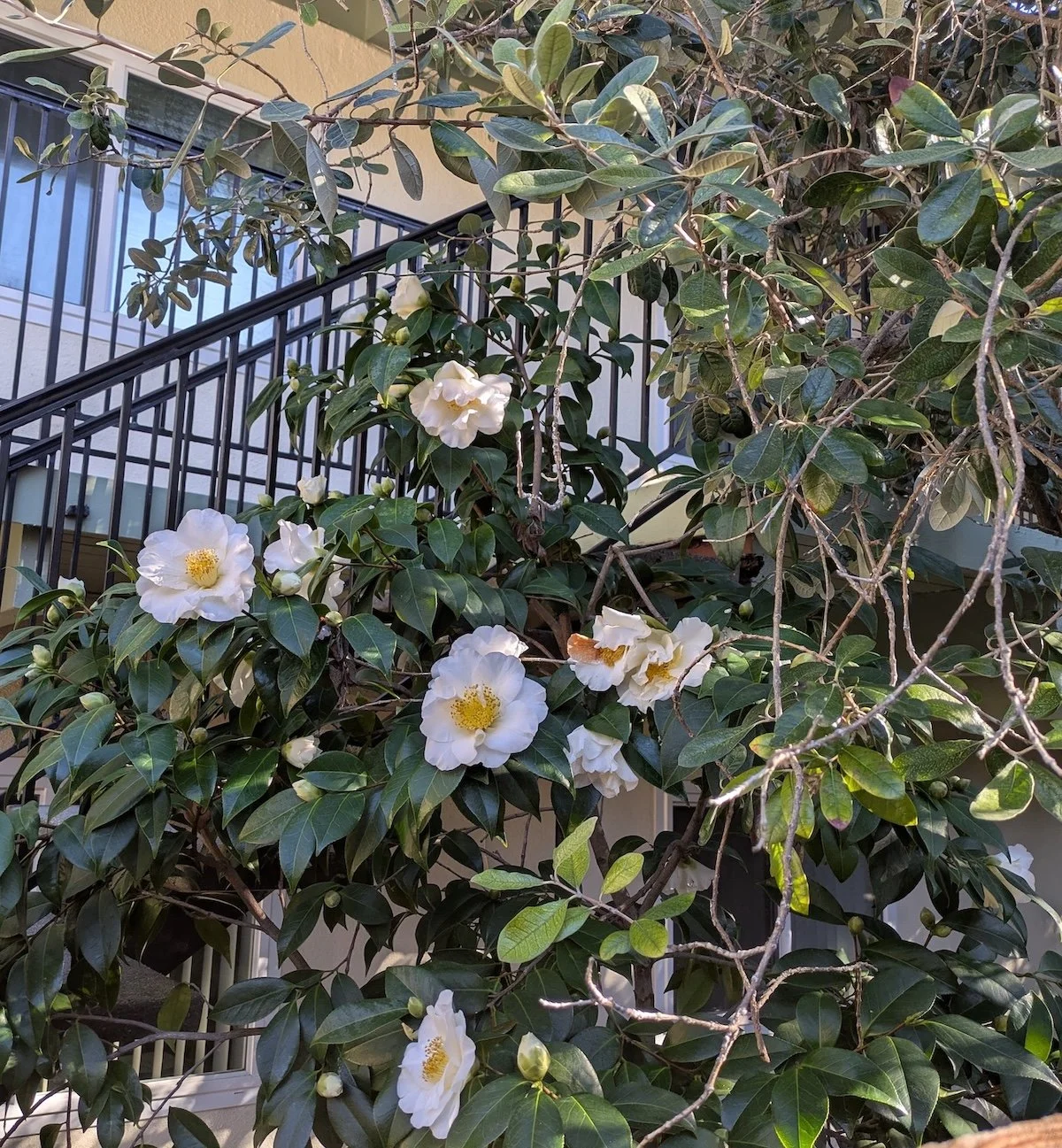
Winter’s Camellia: Finding beauty in the quiet season
Have you ever had a small moment stop you in your tracks, the kind where the world feels busy, but something simple pulls you gently back into the present? For me, that moment often arrives in the form of a winter camellia.
One of the small joys that always grounds me, both during my years in Japan and now here in California, is spotting the camellia, 椿 tsubaki, blooming in the coldest months. When most plants are taking a winter rest, the camellia chooses that moment to shine. Its glossy dark leaves and perfectly layered petals offer a kind of quiet presence, a reminder that beauty doesn’t need a season, it arrives when it’s ready, and often when we least expect it.
Click below to read more!
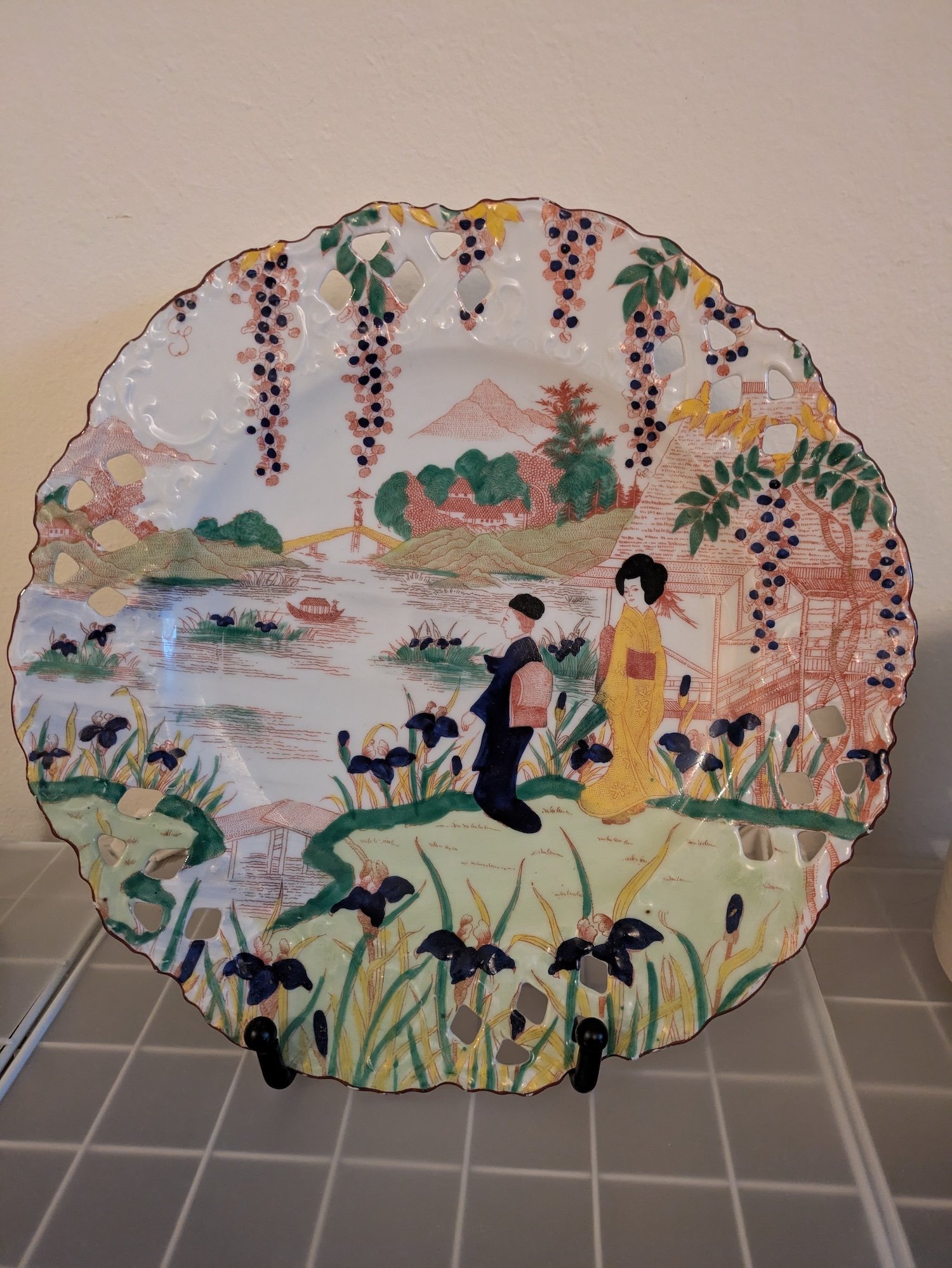
Japonisme, a century-old plate, and the power of memory
Some objects seem to hold entire worlds within them, quietly waiting for us to notice. This plate has been part of my life for as long as I can remember, yet only recently did I decide to uncover its story. What I found surprised me: it was produced by the Victoria Czecho-Slovakia company sometime between 1890 and 1919, during the height of Art Nouveau.
That discovery felt like a personal connection to an era I’ve always admired, especially growing up in Belgium, where the flowing lines and organic forms of architects like Victor Horta are part of our cultural DNA. The plate’s scalloped edges and intricate design echo that same elegance, but with a twist: a fascination for Japanese aesthetics that swept through Europe at the time. It’s not valuable in money, but its worth to me is immeasurable. And it makes me wonder, why did my great-uncle and aunt choose this piece? Perhaps the answer lies in a movement called Japonisme.
Click below to read more!

Why New Year resolutions fail, and what Japan taught me about balance
Every January, the world seems to hum with possibility. We buy planners with crisp, untouched pages, sign up for gym memberships, and declare bold promises: “This is the year I’ll finally get it right.”
There’s something intoxicating about that clean slate, the idea that we can reinvent ourselves overnight. I used to love that feeling. I’d write lists of goals so ambitious they felt like a new identity waiting to happen. But by this week, reality would creep in. The planner would sit unopened, the gym shoes untouched, and I’d feel that familiar sting of failure. Why is it so hard to keep resolutions? And why do they feel so heavy, even when they start with hope?
Click below to read more!