

When a movie becomes a mirror: Watching “Rental Family” with Brendan Fraser
Last weekend, my husband and I slipped into a small local theatre to watch Rental Family, Brendan Fraser’s latest film. We expected an evening of entertainment, but what we got was something far deeper: a quiet, emotional journey that stirred memories of our life in Japan.
From the opening scenes, the film transported me back to Tokyo: the neon glow, the hum of trains, the comforting sight of steaming bowls of food. It wasn’t just cinematic nostalgia, it was personal. I found myself remembering the taste of oden on a cold night, the rhythm of city streets, and the warmth of conversations that made Japan feel like home.
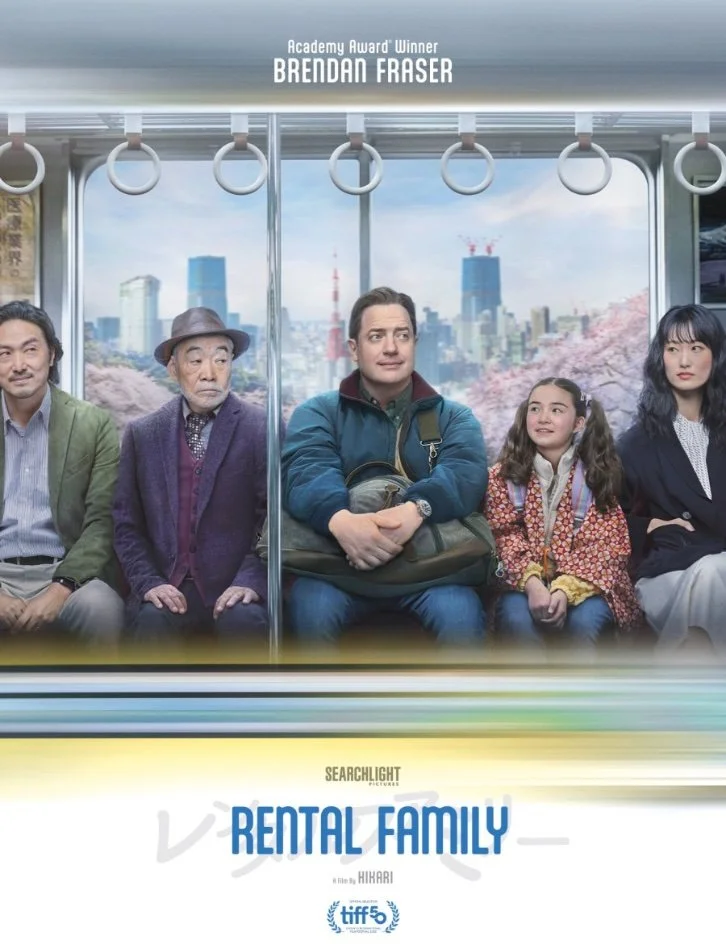
Then came the moment that caught us both off guard: a mention of Kita-Kamakura. For anyone else, it might have been a passing detail. For us, it was a floodgate. Kita-Kamakura is where my husband grew up, and where we both lived for a time before moving to the U.S. Hearing its name on screen felt like a whisper from the past, a reminder of quiet temple paths, autumn leaves, and the sense of belonging we once had there.
Later in the film, I caught a glimpse of something familiar, a temple scene that looked unmistakably like Hasedera in Kamakura. Its iconic wooden halls and sweeping views of the sea are etched in my memory from countless visits. Recognizing it on screen was like bumping into an old friend in an unexpected place, and it deepened the sense of connection the movie evoked.
But the scene that stayed with me most was Brendan Fraser’s character eating a simple bento alone in a small apartment, gazing out at the windows across the block. That quiet loneliness, the way he looked into other people’s lives from a distance, felt achingly real.
When I first lived in Japan, I was that way too. I remember evenings when the city pulsed outside my window, yet inside was silence. Bento dinners alone, wondering about the stories unfolding behind those glowing windows. It’s a feeling many expats know: the paradox of being surrounded by life yet feeling apart from it.
The film’s premise, renting a family, might sound surreal, but it’s rooted in reality. In Japan, there are actual services where you can rent people for a few hours: actors who play roles like family members, friends, or colleagues for social occasions. While the movie takes this concept to an emotional extreme, the real-life version often serves practical purposes, helping with weddings, funerals, or simply offering companionship to those who feel isolated.
One of the most fascinating examples is Ossan Rental (おっさんレンタル), where you can hire a middle-aged man for advice, mentorship, or just a walk in the park. It’s striking, and a little heartbreaking, that in a society where connection can feel so hard to find, people turn to rented father figures for guidance and comfort. These services reveal something universal: the deep human need for belonging and someone to listen.
And that’s what makes Rental Family resonate so deeply. It’s not just about loneliness, it’s about the creative, sometimes unconventional ways we try to fill that void. Watching Brendan Fraser’s character navigate this world reminded me of my own early days in Japan, when I felt the same quiet isolation. The story made me reflect on how, as expats, we often build our own “chosen families” to survive and thrive in unfamiliar places.
Brendan Fraser’s performance was tender and layered, and the entire cast brought authenticity to a narrative that lingers long after the credits roll. If you’ve ever lived abroad, especially in Japan, or simply wondered what it means to belong, this film will speak to you.
Watch Rental Family. Not just for the acting, but for the questions it asks, and the memories it might awaken.
