

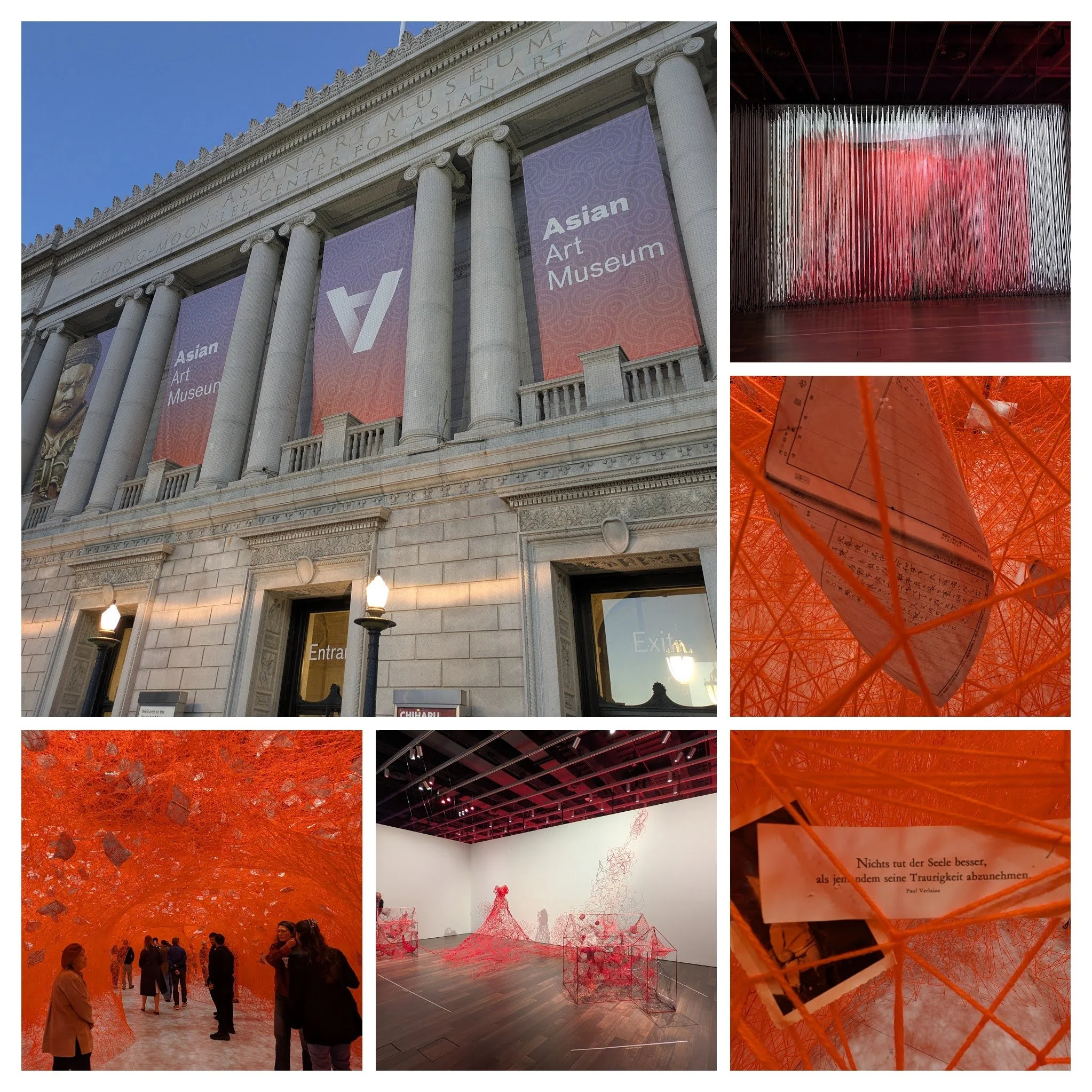
Inside Chiharu Shiota’s world at the Asian Art Museum
The recent opening night of Chiharu Shiota’s exhibition at the San Francisco Asian Art Museum was one of those experiences that stays with you long after you leave the building.
I went with a friend who worked at the museum for many years, which made the evening especially meaningful. Walking through the galleries with someone who knows the institution from the inside, who understands the care, history, and intention behind exhibitions like this, added a deeply personal layer to the experience. It felt less like attending an opening and more like sharing a moment shaped by art, memory, and connection.
Shiota’s work is often described as immersive, but that word still falls short. Her installations are environments you move through physically and emotionally. Thread, space, absence, and presence are woven together in a way that quietly demands reflection.
Click below to read more.
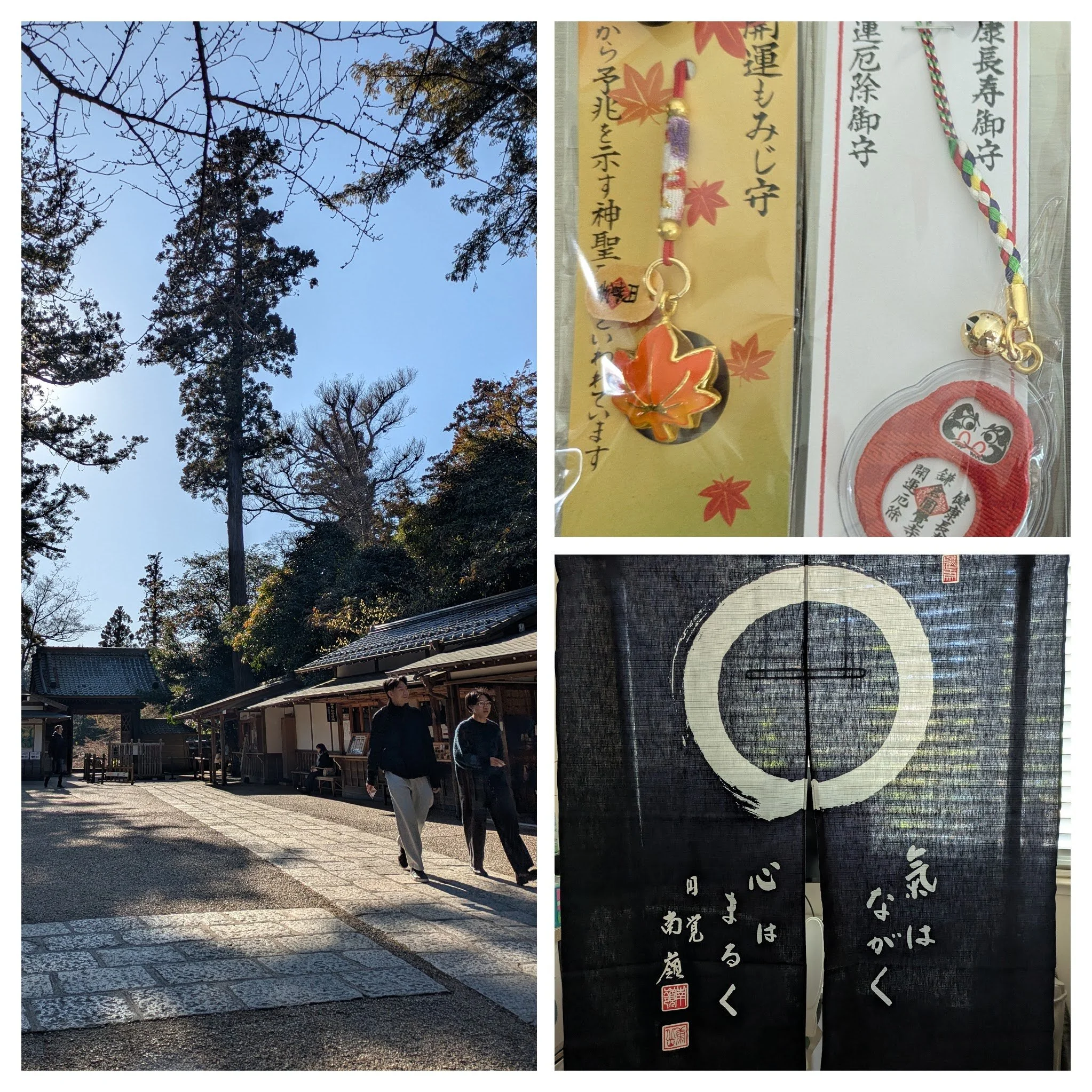
A noren, some omamori, and a reminder to slow down
If you read my recent reflection on doing ohaka‑mairi with my husband’s family at Engaku‑ji, you’ll know the day already had a calm and thoughtful atmosphere. But right before heading back to Tokyo, a quick stop at the gift shop turned into a small cascade of discoveries about patience, protection, and some surprisingly vital information about omamori care that I had somehow never learned. I also found a noren that felt like it was speaking directly to me. Let’s just say I returned home with more than I expected.
Click below to read more.

Remembering the departed in Japan (part 2)
Writing about remembering loved ones in Japan reminded me of visiting my husband's family's ancestral graves close to the city of Kamakura and being struck by a special place in the same cemetery to commemorate pets.

Sōshiki (葬式) and Butsudan (仏壇): Remembering the departed in Japan
One of my favorite aunties passed away last week, and as I'm far away and not able to go to the funeral service I started thinking on how to best honor her passing. Then I remembered a funeral service I attended in Japan, and I wanted to share the thoughful way these things are done over there.

Hinamatsuri (雛祭り): Celebrating Girl's Day in Japan
A few weeks ago I shared a story about treasuring a Hinamatsuri set I received from a dear friend, as this day is celebrated on March 3rd (today!) I wanted to share some more details about the festival itself.

Aisai (愛妻~): Cultivating love through thoughtful acts
You may have heard of Aisaibento (愛妻弁当 - loving wife bento), the salaryman lunchbox carefully prepared by his wife. This culinary tradition embodies the love, care, and effort that a wife puts into preparing a bento (弁当) for her husband. Nowadays of course there will be husbands preparing these for their wives too!

香 (kō): The Japanese art of incense
The practice of incense in Japan, known as kō (香), is an ancient tradition that intertwines art, spirituality, and mindfulness. This practice goes beyond mere fragrance; it is a meditative ritual that promotes tranquility and self-reflection.
物には魂が宿る (Mono ni wa tamashii ga yadoru - things have souls)
The attached picture shows a 55-year old Hinamatsuri set (set out to celebrate Girls' Day, coming up on March 3rd - come back in a few weeks for more details about that festival) I received from a dear friend. This set went from Japan to Belgium and finally made it to the US just a few weeks ago.