

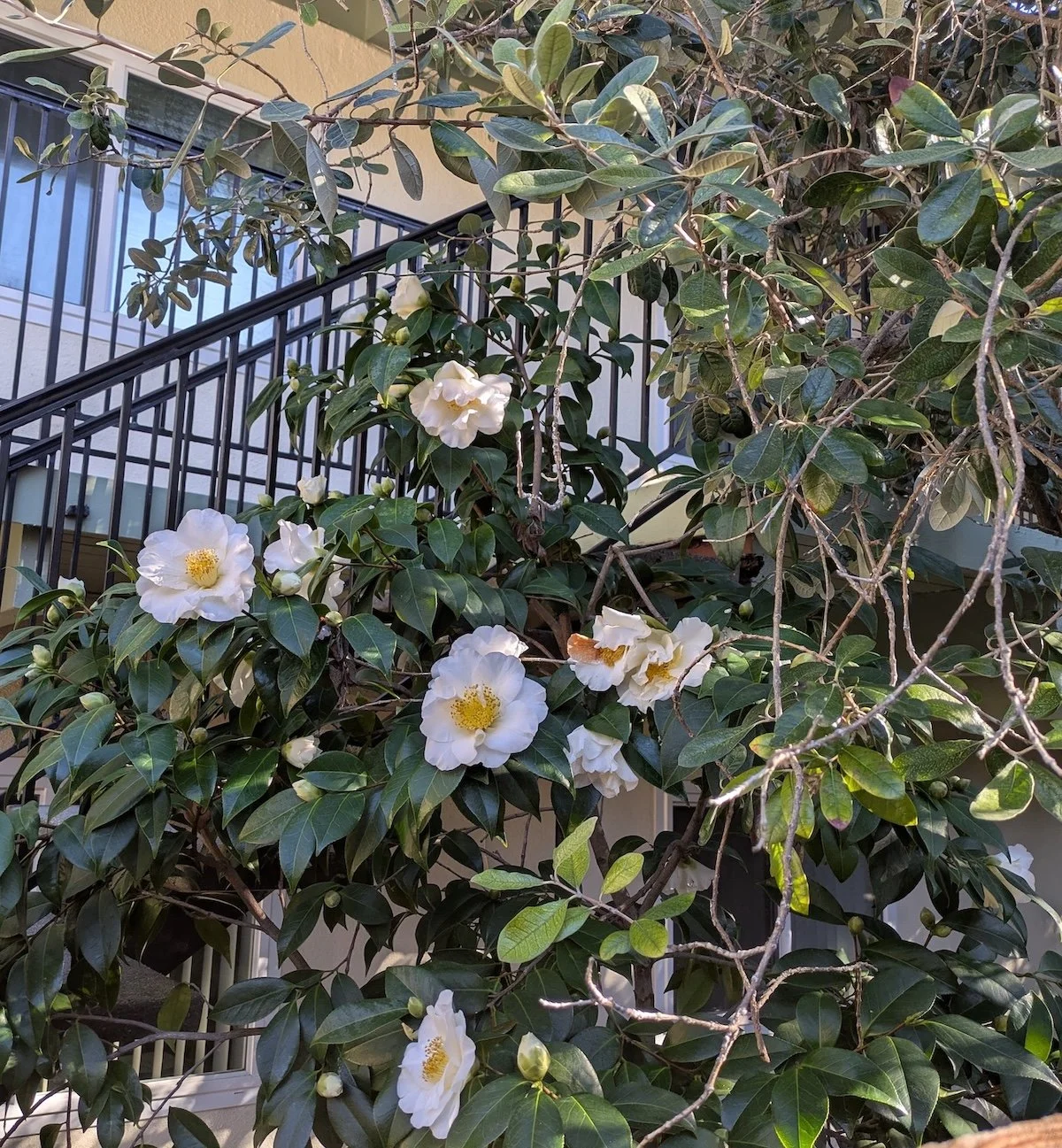
Winter’s Camellia: Finding beauty in the quiet season
Have you ever had a small moment stop you in your tracks, the kind where the world feels busy, but something simple pulls you gently back into the present? For me, that moment often arrives in the form of a winter camellia.
One of the small joys that always grounds me, both during my years in Japan and now here in California, is spotting the camellia, 椿 tsubaki, blooming in the coldest months. When most plants are taking a winter rest, the camellia chooses that moment to shine. Its glossy dark leaves and perfectly layered petals offer a kind of quiet presence, a reminder that beauty doesn’t need a season, it arrives when it’s ready, and often when we least expect it.
Click below to read more!
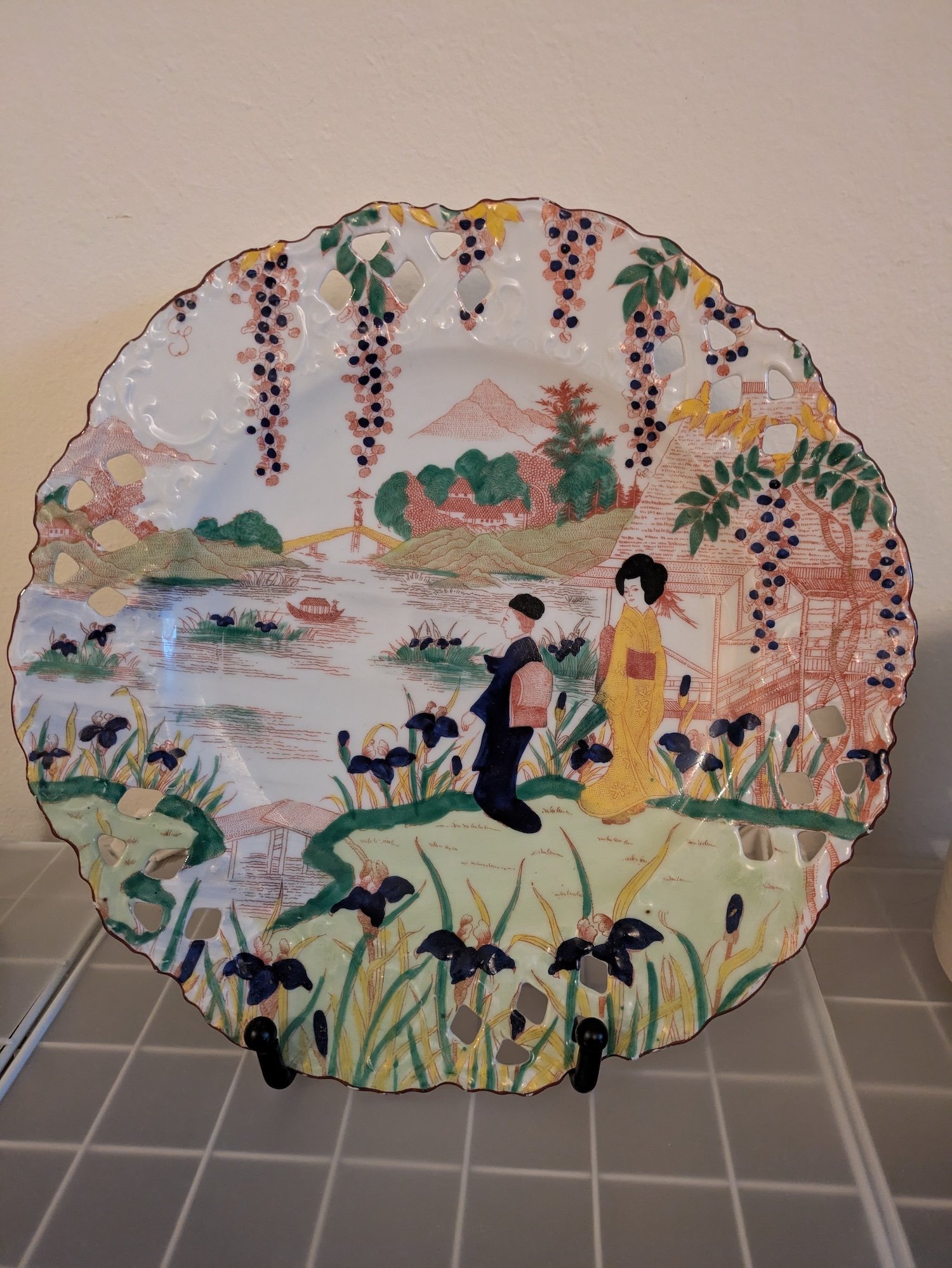
Japonisme, a century-old plate, and the power of memory
Some objects seem to hold entire worlds within them, quietly waiting for us to notice. This plate has been part of my life for as long as I can remember, yet only recently did I decide to uncover its story. What I found surprised me: it was produced by the Victoria Czecho-Slovakia company sometime between 1890 and 1919, during the height of Art Nouveau.
That discovery felt like a personal connection to an era I’ve always admired, especially growing up in Belgium, where the flowing lines and organic forms of architects like Victor Horta are part of our cultural DNA. The plate’s scalloped edges and intricate design echo that same elegance, but with a twist: a fascination for Japanese aesthetics that swept through Europe at the time. It’s not valuable in money, but its worth to me is immeasurable. And it makes me wonder, why did my great-uncle and aunt choose this piece? Perhaps the answer lies in a movement called Japonisme.
Click below to read more!
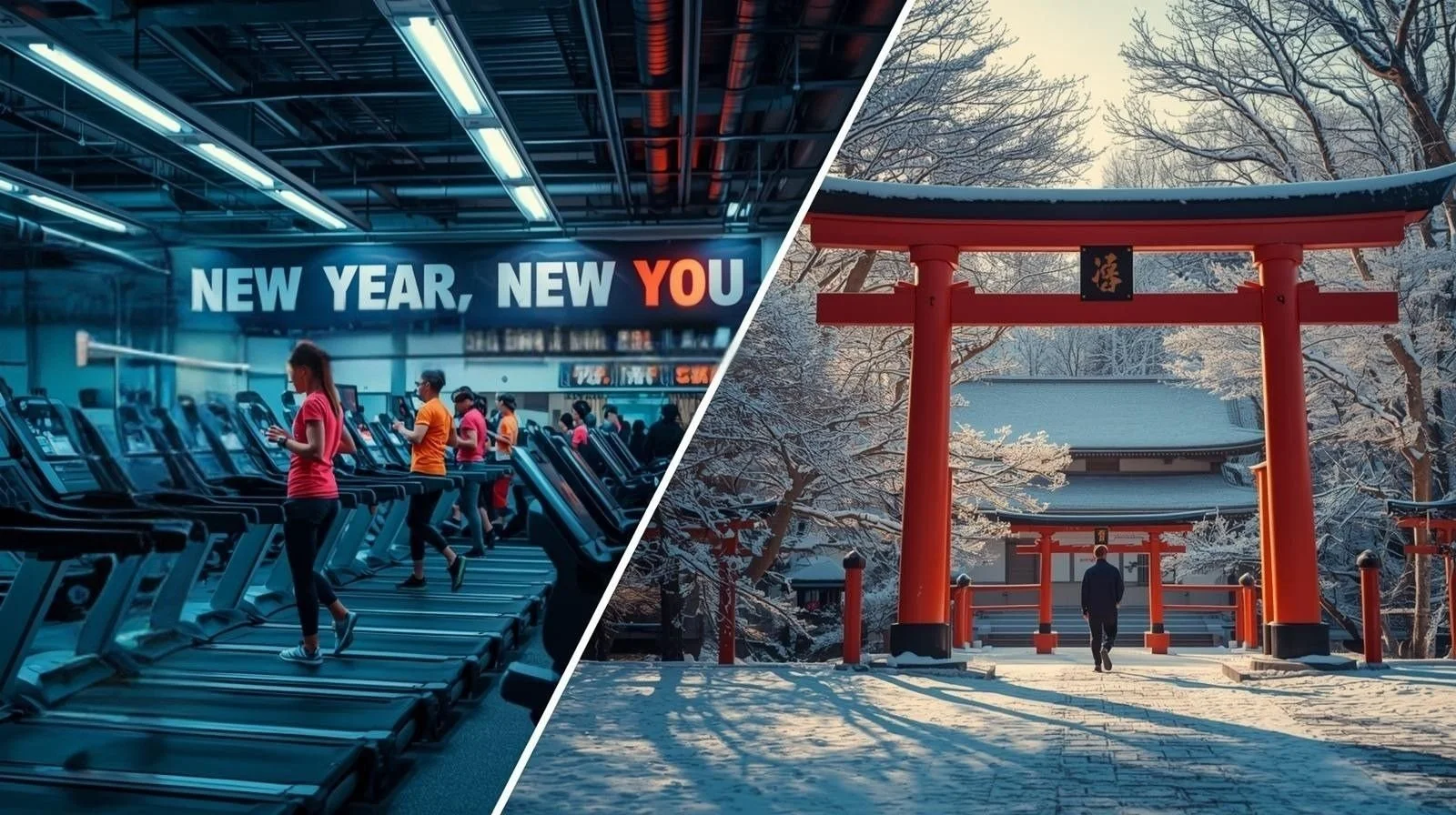
Why New Year resolutions fail, and what Japan taught me about balance
Every January, the world seems to hum with possibility. We buy planners with crisp, untouched pages, sign up for gym memberships, and declare bold promises: “This is the year I’ll finally get it right.”
There’s something intoxicating about that clean slate, the idea that we can reinvent ourselves overnight. I used to love that feeling. I’d write lists of goals so ambitious they felt like a new identity waiting to happen. But by this week, reality would creep in. The planner would sit unopened, the gym shoes untouched, and I’d feel that familiar sting of failure. Why is it so hard to keep resolutions? And why do they feel so heavy, even when they start with hope?
Click below to read more!

Galloping into the Year of the Horse
2026 is the Year of the Horse: a zodiac sign that symbolizes energy, freedom, and forward momentum. In the Chinese zodiac, the horse is admired for its vitality, independence, and adventurous spirit. People born under this sign are often described as strong-willed, dynamic, and ready to run toward new horizons.
But in Japan, the Year of the Horse has an interesting cultural twist. Historically, certain Horse years, especially the Fire Horse year, were associated with superstition. Women born in those years were believed to be too strong-willed, which supposedly made marriage difficult. This belief was so widespread that in 1966, a Fire Horse year, Japan saw a significant drop in birth rates as families tried to avoid having daughters born under that sign.
Click below to read more!
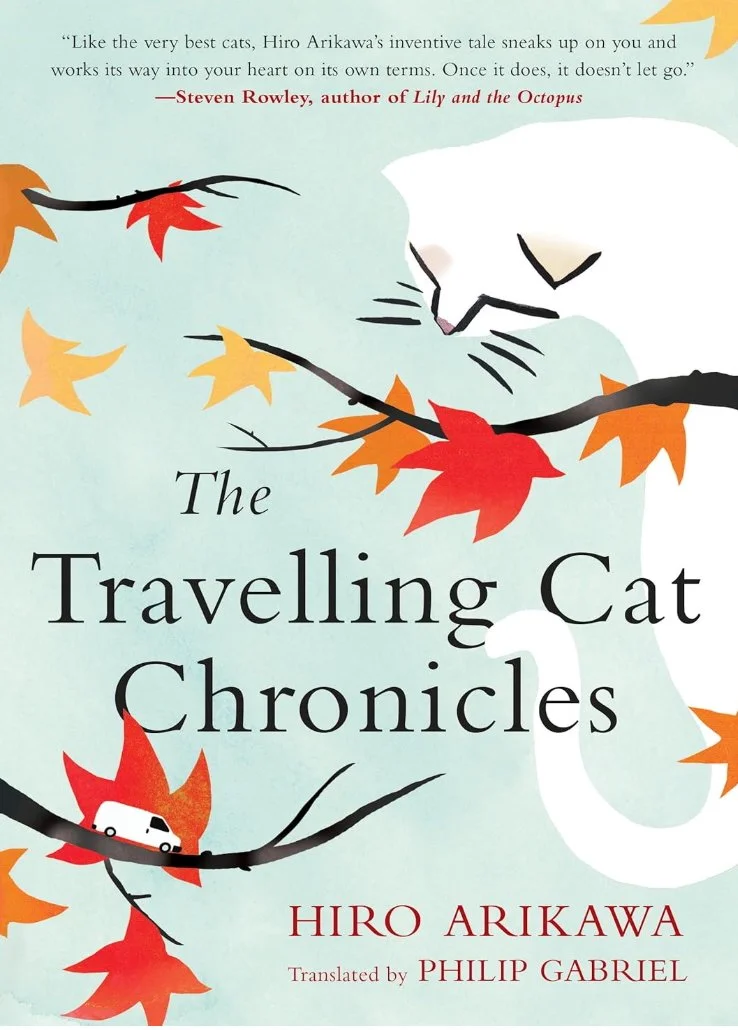
The Traveling Cat Chronicles made me cry in the best way
I spent this past week listening to The Travelling Cat Chronicles, and I wasn’t expecting it to move me the way it did. The story felt gentle at first, almost simple, but as it unfolded, it touched something deep: about life, friendship, and the quiet strength of commitment. Maybe it resonates more now that I’m getting older, when the bonds that endure feel even more precious.
The narration was a big part of why it stayed with me. George Blagden’s voice carried warmth and nuance, making every moment feel personal; sometimes light and amusing, sometimes heartbreakingly tender. It’s rare to find an audiobook where the performance feels like an extension of the story’s soul, but this was one of those times.
Click below to read more!
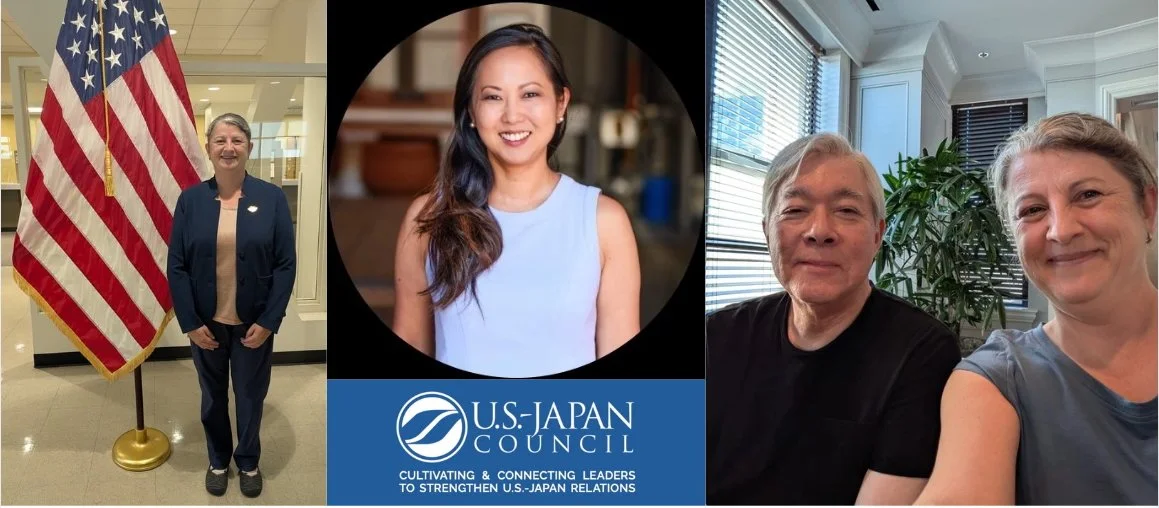
Becoming a US-Japan Council Leader: Building bridges between nations
When two people you deeply respect, Glen S. Fukushima and Jackie Funasaki, nominate you for something, you pause. Titles and invitation-only honors have never been my thing. But this one? It means something.
Glen is not only one of the founders of the US‑Japan Council but a lifelong advocate for U.S.-Japan relations, a former trade negotiator, and someone whose leadership has shaped policy and business across the Pacific. Jackie is a powerhouse in the East Bay, a connector who brings people together with purpose and energy. She’s the kind of person who knows everyone, remembers what matters to them, and makes introductions that change lives. Her ability to build community is a masterclass in generosity and intention. Their confidence in me means more than any title ever could.Click below to read more!
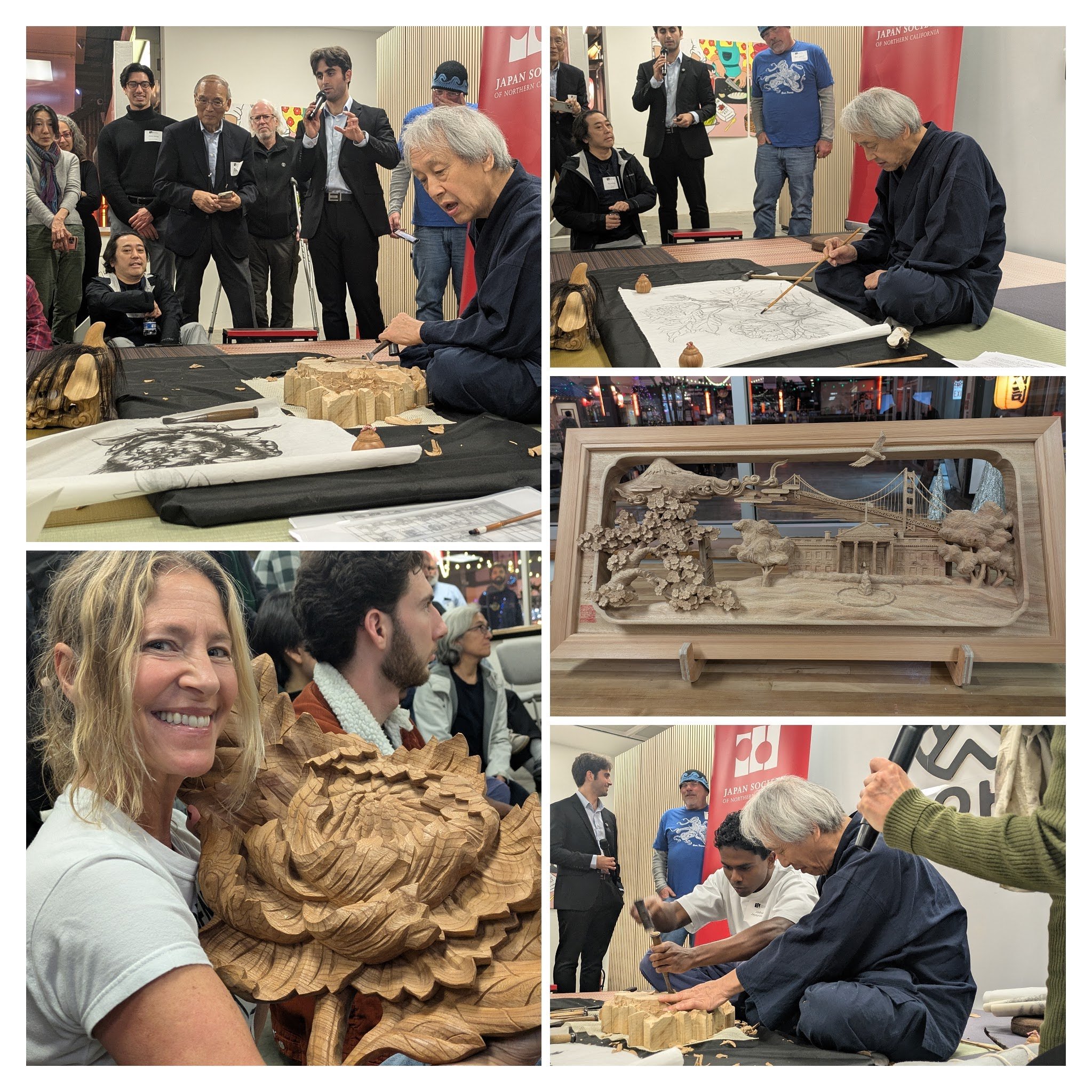
When tradition meets synchrodestiny: Lessons from an Inami Woodcarving Master
Last Friday, I had the privilege of attending a Japan Society event featuring master carver Nambu Hakuun III, a living link to the centuries-old tradition of Inami woodcarving. Watching him work was like stepping into a dialogue between past and present.
When I lived in neighboring Ishikawa, I visited Toyama, though not Inami town itself, and remember being struck by its deep sense of history. Toyama Prefecture is known for its rich cultural heritage, from traditional crafts to breathtaking landscapes framed by the Tateyama mountain range. Still, I’m amazed at how much more there is to learn about Japanese craftsmanship. These artisans carry generations of skill, yet remain so humble and eager to share their craft. There’s no sense of ego, only quiet pride in preserving something beautiful for the next generation.
Click below to read more!
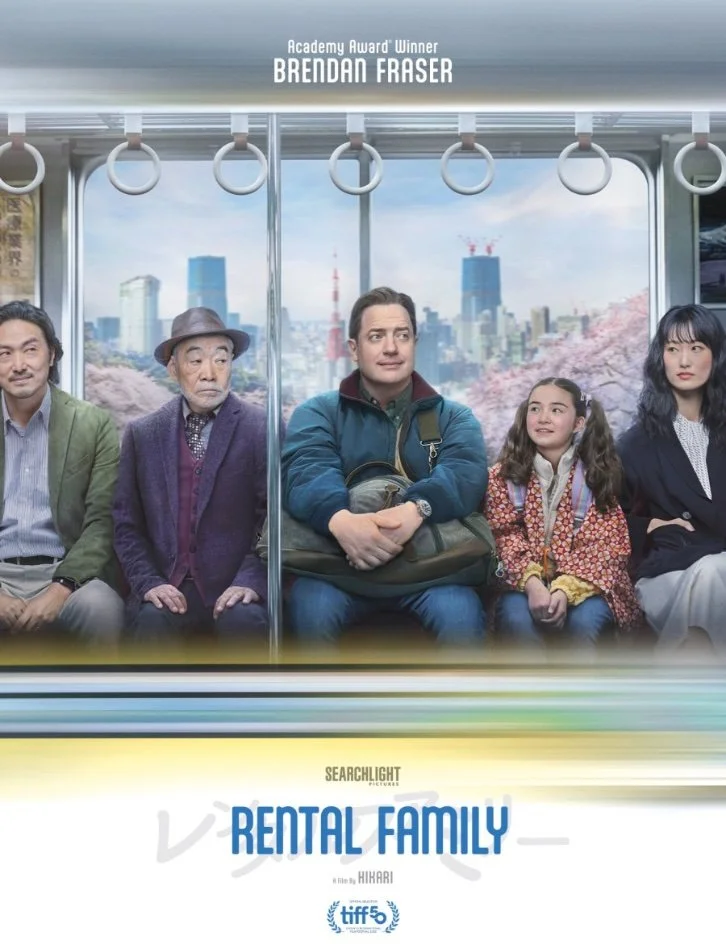
When a movie becomes a mirror: Watching “Rental Family” with Brendan Fraser
Last weekend, my husband and I slipped into a small local theatre to watch Rental Family, Brendan Fraser’s latest film. We expected an evening of entertainment, but what we got was something far deeper: a quiet, emotional journey that stirred memories of our life in Japan.
From the opening scenes, the film transported me back to Tokyo: the neon glow, the hum of trains, the comforting sight of steaming bowls of food. It wasn’t just cinematic nostalgia, it was personal. I found myself remembering the taste of oden on a cold night, the rhythm of city streets, and the warmth of conversations that made Japan feel like home.
Click below to read more!