

Japan-U.S. Innovation Awards: AI adoption will move at the speed of trust
Last week, I had the opportunity to attend the Japan-U.S. Innovation Awards at Stanford University, organized by the Japan Society. The event celebrates companies and leaders who are shaping the future through innovation, while strengthening the important connection between Japan and the United States.
I came away genuinely impressed.
First, the organization of the event was exceptional. From the programming to the networking opportunities, it was clear that a great deal of thought had gone into bringing together entrepreneurs, investors, corporate leaders, academics, and policymakers. The result was an atmosphere where meaningful conversations happened naturally, and where innovation felt less like a buzzword and more like a shared mission.
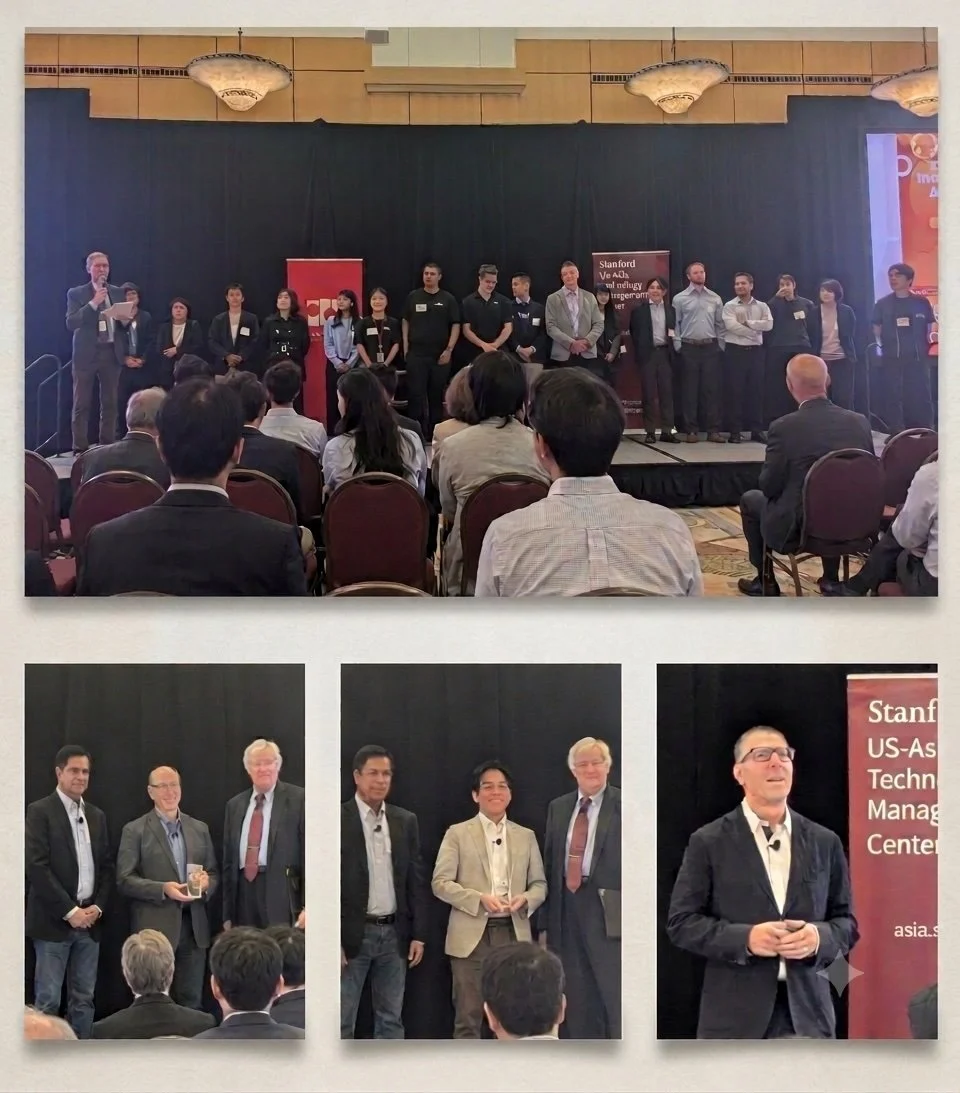
One highlight was seeing the recipients of the SunBridge-John Thomas Emerging Leader Awards: Sakana AI and Anthropic. Both companies are pushing the boundaries of artificial intelligence, but what stood out to me was that their stories reflect different yet complementary approaches to innovation.
During the event, I took several notes from Anthropic's presentation that have stayed with me. One message in particular resonated deeply:
"AI adoption will move at the speed of trust."
As AI continues to advance at an incredible pace, the challenge is no longer just technological capability. It is ensuring that these technologies are developed and deployed in ways that are safe, transparent, and responsible. Success is possible, but only if we remain humble and recognize that we are all still learning.
Another thought-provoking idea was that we are learning as much from machines as they are learning from us. As AI systems become more capable, we are being forced to examine our own decision-making, creativity, and values. The question becomes: can we develop technology that benefits humanity without harming it?
One of my favorite observations compared AI to jazz. Like jazz, AI can involve improvisation, experimentation, and unexpected outcomes. When different elements come together successfully, something remarkable can emerge. But it requires listening, collaboration, and trust among all the players.
I was equally inspired by Sakana AI's perspective. One comment that stood out was the importance of creating long-term value rather than simply pursuing the easiest path or the quickest funding opportunity. Their commitment to building value for Japan while competing on a global stage reflects a mindset that I believe will be increasingly important in the years ahead.
The event also recognized five outstanding companies with Innovation Awards. Together, they demonstrated the breadth of innovation happening today, from artificial intelligence and deep technology to solutions addressing real-world business and societal challenges. It was a powerful reminder that innovation is not limited to one industry or geography.
Another highlight was the keynote by Jim Adler of Toyota Ventures. His remarks reinforced the importance of supporting entrepreneurs who are willing to tackle difficult problems and think beyond quarterly results. The best innovations often require patience, courage, and a willingness to take calculated risks.
Perhaps the biggest takeaway from the day was the value of bringing people together. The networking conversations were every bit as valuable as the formal presentations. Whether discussing AI, venture capital, corporate innovation, or the future of Japan-U.S. collaboration, there was a shared sense of optimism and curiosity.
I left Stanford feeling encouraged about what lies ahead.
Want to learn more about Japanese business practices and how to succeed in cross-cultural environments?
Join one of JCO’s programs and gain practical insights into Japan’s unique business culture, communication styles, and strategies for collaboration. Together, we can create more opportunities for global success.
If you want to learn more about bridging language and cultural gaps in Japanese business, why not join one of our sessions! Here’s the link to upcoming sessions (make sure to select your timezone)
