

Looking ahead: My takeaways from Japan Outlook 2026
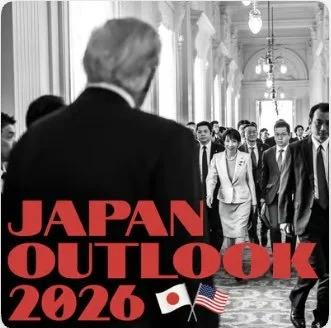
Last week I joined the Japan Society of Northern California’s Japan Outlook 2026 program just as Japan headed into a major election. By the time the event took place, we already knew the outcome. Sanae Takaichi won a decisive victory on February 8, confirming just how strongly her message has been resonating with voters. With the United States also recalibrating its priorities around security, immigration, and trade, both countries are entering the year in motion.
A big part of the conversation was why Takaichi’s support has surged so quickly. Both speakers explained something that many of us who follow Japanese politics have felt intuitively. Takaichi doesn’t come from the long political dynasties that usually dominate the landscape. People see her as a normal person who understands everyday worries and priorities. In a system where lineage often signals authority, her relatability is a real political advantage.
Another theme that stood out was how much national security has moved into everyday conversation in Japan. This isn’t typical for Japan, but voters are feeling the instability of the world in a very immediate way. Takaichi has leaned into this shift and paired it with decisive action.
Several previous leaders talked for years about reducing gasoline and income taxes, but she delivered those changes in just two months. That speed is almost unheard of in Japan’s consensus-driven political culture, and younger voters especially have responded to it.
Later in the session, a question came up about Japan’s current attitude toward foreign residents, which is always close to my own work with companies and expats navigating the system. One of the speakers pointed out that Japan knows it needs foreign talent, yet visas and health insurance rules remain confusing and inconsistent. Before Japan can truly welcome international workers, the system needs to be much clearer and more transparent. The moderator added that many foreigners in Japan are feeling anxious right now because they receive conflicting information. From the perspective of someone who supports global professionals daily, this rang very true.
The session wrapped up quickly after that, and it felt like we were just getting to the heart of some of the most important issues. With Takaichi newly re-elected and both countries adjusting to fast-moving realities, there is a lot more to unpack in the coming months. Even though the program was short, it captured the feeling of a year that is already shifting beneath our feet.
Want to learn more about Japanese business practices and how to succeed in cross-cultural environments?
Join one of JCO’s programs and gain practical insights into Japan’s unique business culture, communication styles, and strategies for collaboration. Together, we can create more opportunities for global success.
If you want to learn more about bridging language and cultural gaps in Japanese business, why not join one of our sessions! Here’s the link to upcoming sessions (make sure to select your timezone)
