

Why language training still matters in the age of AI week 1: Business English for Japanese expats
I grew up as the child of two language teachers, and I was adamant I would never follow in their footsteps.
Standing in front of high-schoolers explaining grammar rules? Hard pass.
So imagine my surprise (and slight amusement) when I became a Business English language facilitator for one of our biggest Japan Consulting Office clients Mizuho Americas. And the first thing I tell everyone is this:
I am not teaching English.
Japanese professionals have already studied more English than most people ever will. The last thing they need is more studying. What they actually need is space — real, practical, judgment‑free space — to use the language they already know.
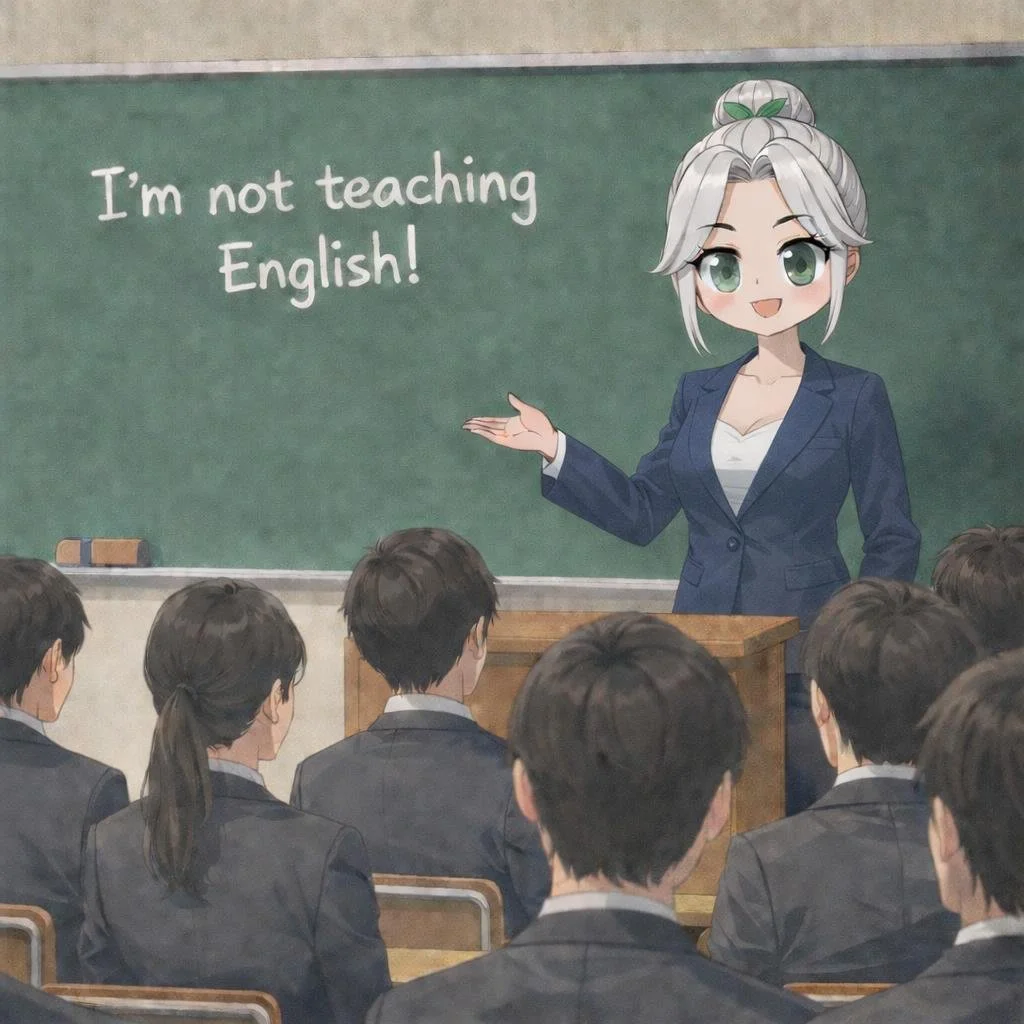
That is exactly why these sessions are designed as small groups of 5–6 people, organized by level.
The setup matters. It creates a comfortable, trusting environment where participants feel safe enough to role play, experiment, try out new phrases, make mistakes, and laugh together. And thanks to that, the sessions are always fully booked.
For me, these groups reinforce something I’ve always known but now see even more clearly:
even in the age of AI, human-centered language practice is still essential.
Working with Japanese teams has shown me that communication here is deeply tied to nuance, relationship building, and reading the air.
You cannot learn that from a textbook, and AI cannot explain why something sounds too direct or too vague in a global context.
People come to these sessions with:
real meeting situations
real cross-cultural questions
real moments when AI translated the words but not the intention
We unpack all of it together. We role play. We talk about tone and clarity and what “sounds natural” in international teams. And every week, I see that spark of confidence growing.
AI is an incredible tool. But language, especially in Japanese business settings, is a human skill. And people want to strengthen it in human ways.
So here I am, despite all my childhood declarations, happily facilitating communication practice for global teams. I may not have become a teacher in the traditional sense, but I am grateful to support Japanese professionals as they find their voice, their confidence, and their own natural communication style in English.
If you’d like to find out more about this program and if it would work for your organization, don’t hesitate to reach out!
Want to learn more about Japanese business practices and how to succeed in cross-cultural environments?
Join one of JCO’s programs and gain practical insights into Japan’s unique business culture, communication styles, and strategies for collaboration. Together, we can create more opportunities for global success.
If you want to learn more about bridging language and cultural gaps in Japanese business, why not join one of our sessions! Here’s the link to upcoming sessions (make sure to select your timezone)
