

Lessons from the garden
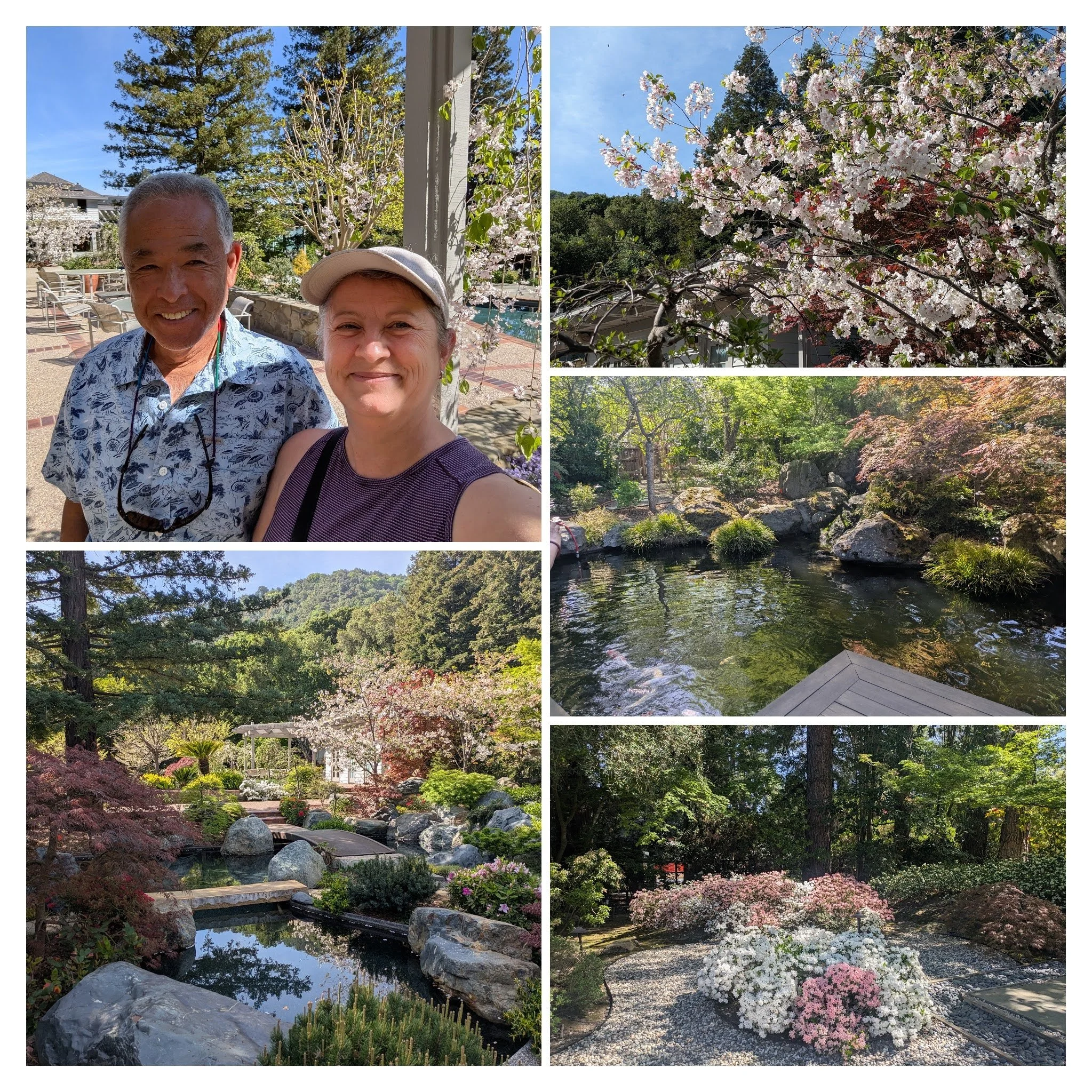
This week’s Working Wednesday took me somewhere quietly extraordinary. I spent the day visiting a series of private gardens with landscape gardener Yoshi Kuroishi, who trained in Japan and now works with elite clientele here in my area.
What struck me immediately was not just the beauty, though the beauty was undeniable. It was the intentionality.
Looking at these gardens, you sense that nothing is accidental. Every stone is placed with care. Every curve of water, every layer of planting, every change in texture invites you to slow down and really observe. Standing near still ponds framed by rocks and spring blossoms, it became clear that these spaces are not designed for quick impact, but for long term presence.
Click below to read more!
Why language training still matters in the age of AI week 2: Learn Japanese in 3 hours
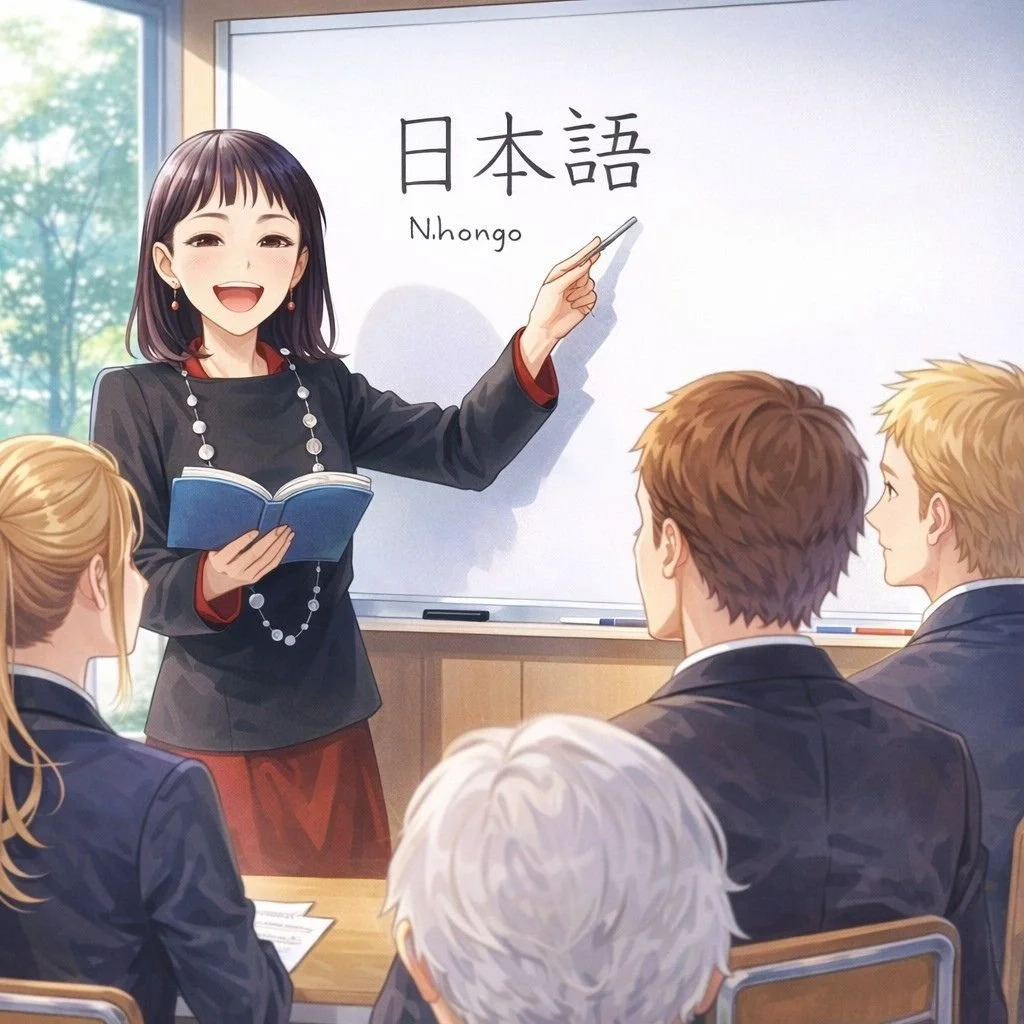
I often talk about how much Japanese professionals invest in communicating globally, but real partnership means the effort cannot flow only in one direction. Global colleagues need opportunities too. Which is why I am so proud of the Learn Japanese in 3 Hours session that our Japan Consulting Office colleague Aska Tsuchiya created, and that Midori Yamanaka now teaches so expertly for our teams in the US.
And the demand is unbelievable. We cannot keep up with the bookings. Every time we open a new slot, it fills immediately, including the most recent sessions for our client Mizuho Americas.
Of course, it is impossible to learn Japanese in just three hours. Everyone knows that. But that is not the point of the session. What makes it so effective is the method itself. It removes the fear and overwhelm that often come with Japanese. It gives people a structured, confidence‑boosting starting point that finally feels manageable. For many, it is the first time Japanese feels accessible instead of intimidating.
Click below to read more!

Why language training still matters in the age of AI week 1: Business English for Japanese expats
I grew up as the child of two language teachers, and I was adamant I would never follow in their footsteps.
Standing in front of high-schoolers explaining grammar rules? Hard pass.
So imagine my surprise (and slight amusement) when I became a Business English language facilitator for one of our biggest Japan Consulting Office clients Mizuho Americas. And the first thing I tell everyone is this:
I am not teaching English.
Japanese professionals have already studied more English than most people ever will. The last thing they need is more studying. What they actually need is space — real, practical, judgment‑free space — to use the language they already know.
Click below to read more!
HR insights from my first Tokyo trip in six years
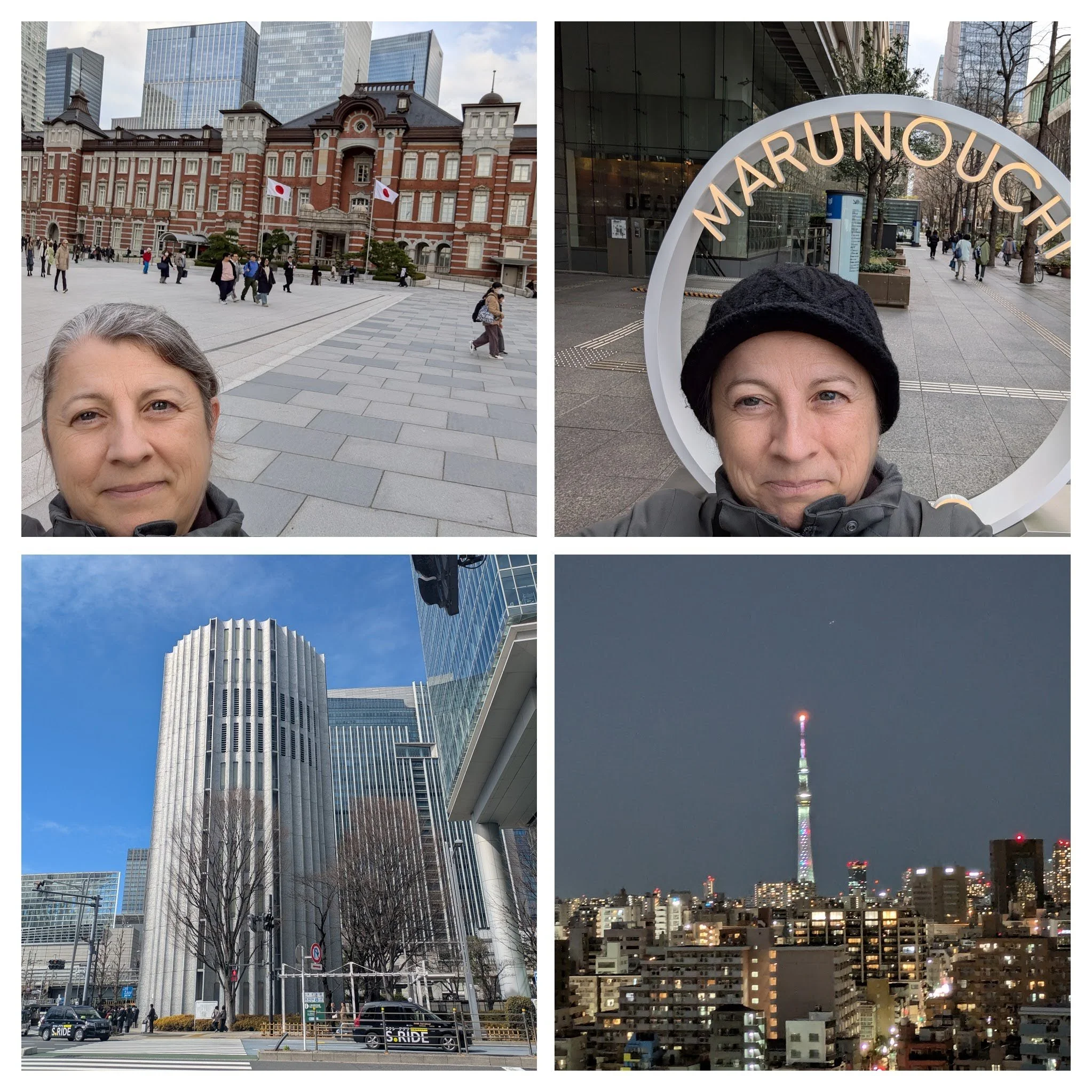
This March, I returned to Tokyo for the first time in six years. It was a meaningful visit that included working onsite with a US client team at their Tokyo headquarters and meeting many clients and friends in the HR and TA community. Being back in the city, hearing concerns directly, and watching cross cultural interactions unfold in real time offered valuable reminders about how Japan’s HR environment continues to evolve.
Hybrid work is still finding its shape
While many global companies have settled into clear hybrid guidelines, teams in Tokyo are still balancing flexibility with long established expectations around presence and teamwork. Several HR leaders shared that employees appreciate remote options, but managers still worry about fairness, communication flow, and maintaining a sense of unity across the team.
Click below to read more!

My last full day in Tokyo: full circle conversations and a sparkling send off
My last full day in Tokyo began with two meetings that felt like perfect bookends to my Japan journey. I finally met Ryoko Tokuoka from Mizuho Bank in person after years of collaborating during her secondment to New York, and later I met Mai Yamanaka from Link and Motivation Inc. (LMI), who is connected to my very first post MBA internship from my GLOBIS days. Both conversations reminded me how relationships in Japan do not fade with time. They deepen, evolve and often return in the most meaningful ways.
Click below to read more!
Tokyo day 3: meetings, memories and conversations that open doors
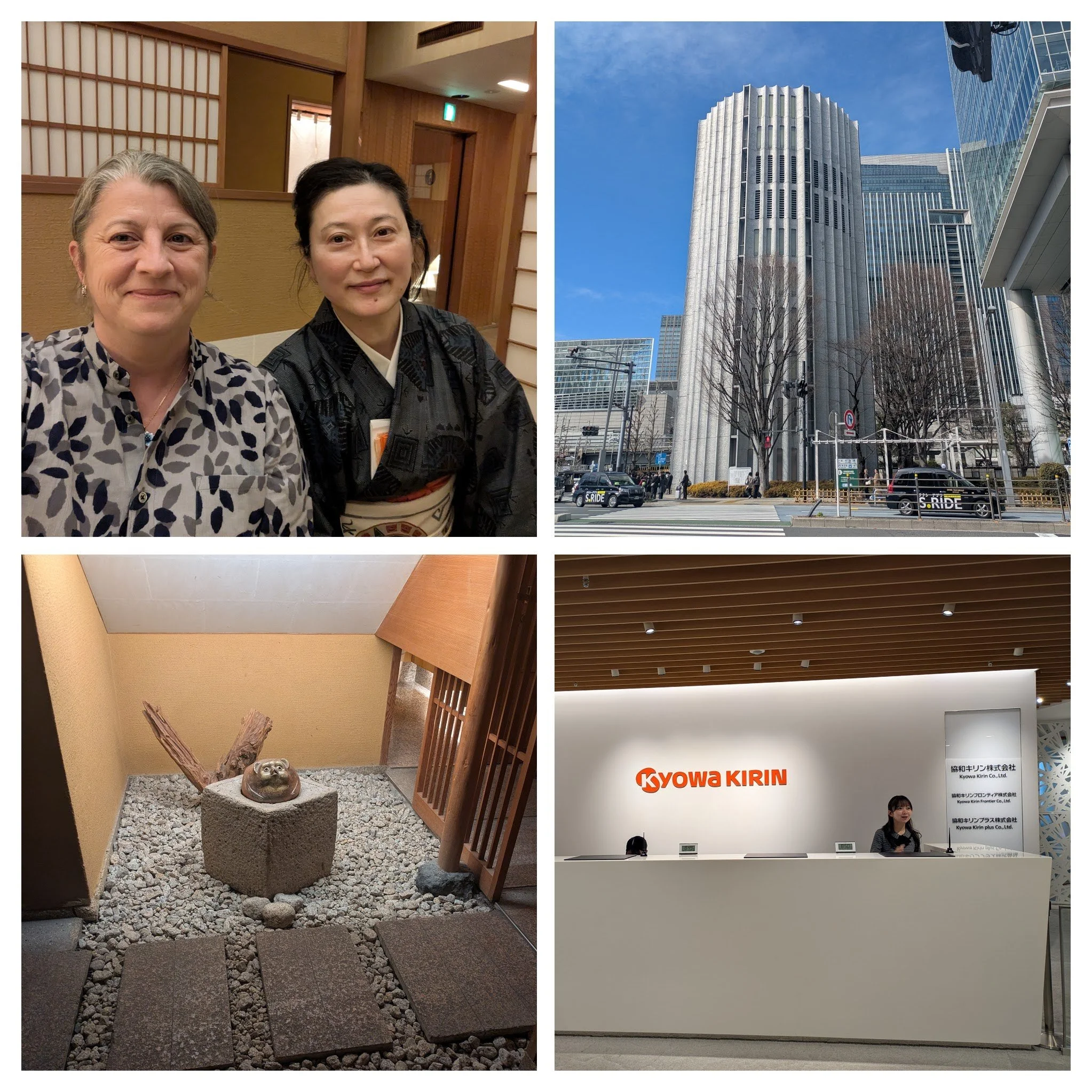
Before I even finished my first coffee, day 3 had already lined up a full cast of people who make my Tokyo trips so meaningful. I had a high level morning meeting with my client in Otemachi, followed by a nostalgic walk through my old Ginza streets. Then came a reunion with a friend from my 1997 JET days, who whisked me straight into a Tea Ceremony class, which felt both familiar and very rusty after fifteen years away from it. After that, I caught up with David Price from Mindbridge, whose work around resilience in Japan is thoughtful and needed. We talked so much that I completely forgot to snap a picture. It was one of those days where every conversation felt like its own small anchor point.
Click below to read more!
Why startups should look toward Tokyo: A growing hub of support and opportunity
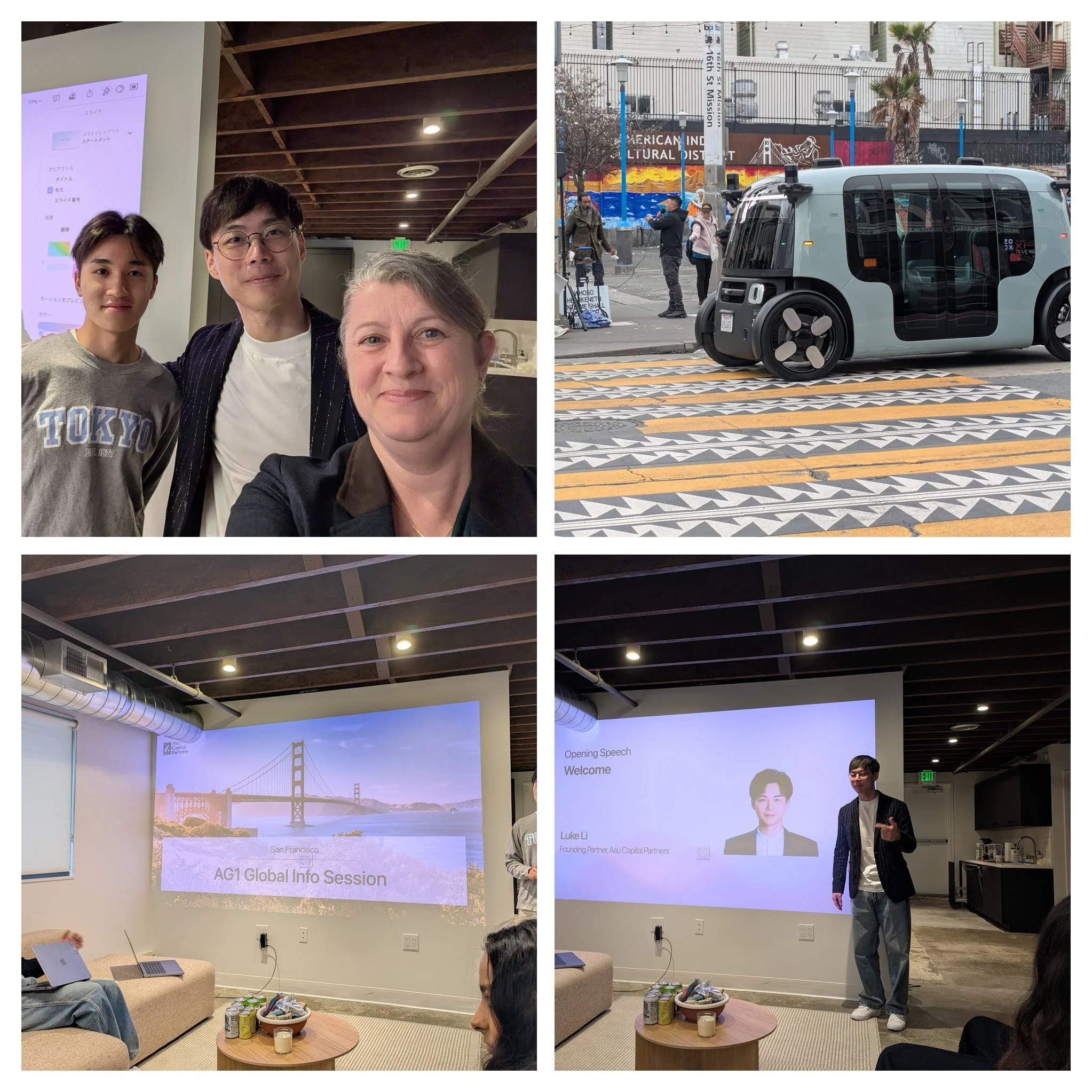
I recently joined a small but cozy AG1 info session in San Francisco, and it turned into one of those quietly energizing afternoons that remind me why I love working at the intersection of Japan and global business. The relaxed setting made it easy to talk with founders who were genuinely exploring Japan as their next market. Any time I meet people considering Japan, I feel that familiar excitement because there is so much potential for early‑stage teams who approach the country with curiosity and cultural awareness.
It was also great to meet Luke Li and Mason Mei during the session. These small gatherings make it possible to have meaningful conversations, the kind where you can hear the story behind the program and understand why people are passionate about building bridges between Japan and the rest of the world.
Click below to read more!
Looking ahead: My takeaways from Japan Outlook 2026
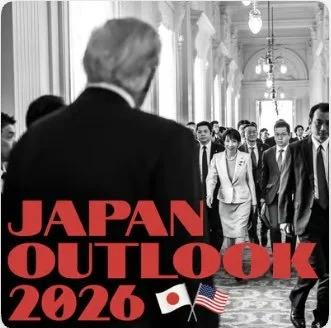
Last week I joined the Japan Society of Northern California’s Japan Outlook 2026 program just as Japan headed into a major election. By the time the event took place, we already knew the outcome. Sanae Takaichi won a decisive victory on February 8, confirming just how strongly her message has been resonating with voters. With the United States also recalibrating its priorities around security, immigration, and trade, both countries are entering the year in motion.
A big part of the conversation was why Takaichi’s support has surged so quickly. Both speakers explained something that many of us who follow Japanese politics have felt intuitively. Takaichi doesn’t come from the long political dynasties that usually dominate the landscape. People see her as a normal person who understands everyday worries and priorities. In a system where lineage often signals authority, her relatability is a real political advantage.
Click below to read more!