

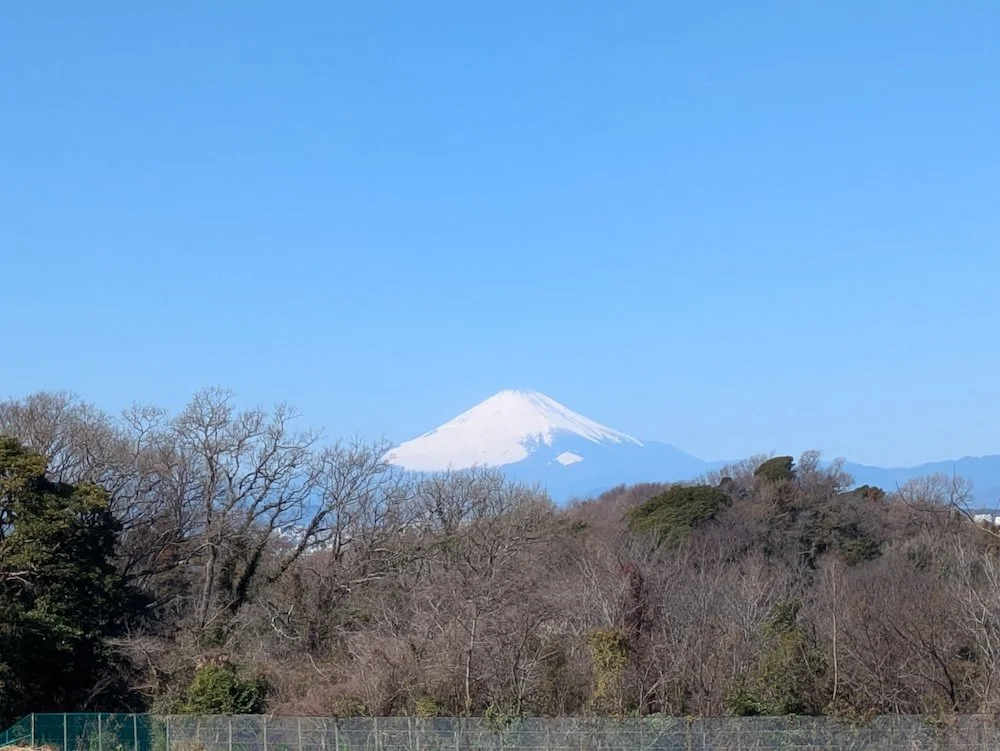
A Japanese way of not carrying everything
Some weeks, I’m not tired because of work. I’m tired because of the world. The constant information, the expectation to react, the feeling that being a good person means being endlessly engaged. It’s a kind of exhaustion that doesn’t lift with rest because it isn’t only physical. It’s the weight of feeling responsible for too much, all the time.
When I lived and worked in Japan, I didn’t escape that feeling entirely. In a work context, space often didn’t exist. Long hours were normal. Endurance was expected. Silence didn’t always mean rest; sometimes it meant holding things in. So this isn’t a romantic story about work-life balance.
And now, as a business owner, I feel a different version of that pressure. Responsibility doesn’t stop at the edges of the day. Even when I try to step back, there’s a low-level awareness that things ultimately come back to me. Setting responsibility down, even temporarily, is harder when you know you’re the final stop.
But outside of work in Japan, I noticed something that stayed with me.
Click below to read more.
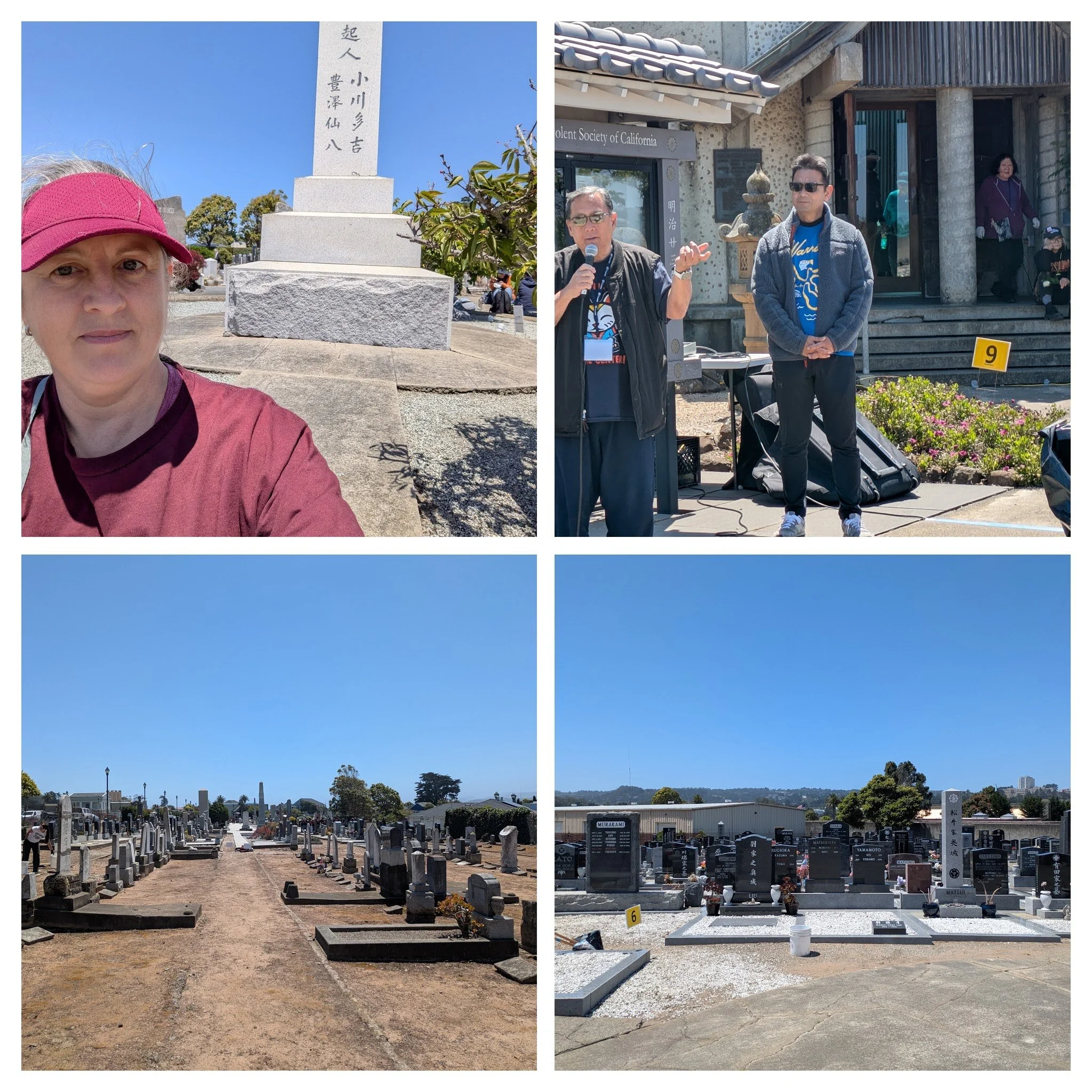
Tending the past, grounding the present. A day at Colma Japanese Cemetery
Last week, I wrote about human connection and how it often reveals itself in quiet, unplanned moments. This weekend, that idea stayed with me in a different way, as my husband and I spent time volunteering at the Colma Japanese Cemetery with JCCNC to prepare the grounds for the Memorial Day service.
This was our second year helping with the cleanup, and we already know we will be back next year.
Click below to read more.
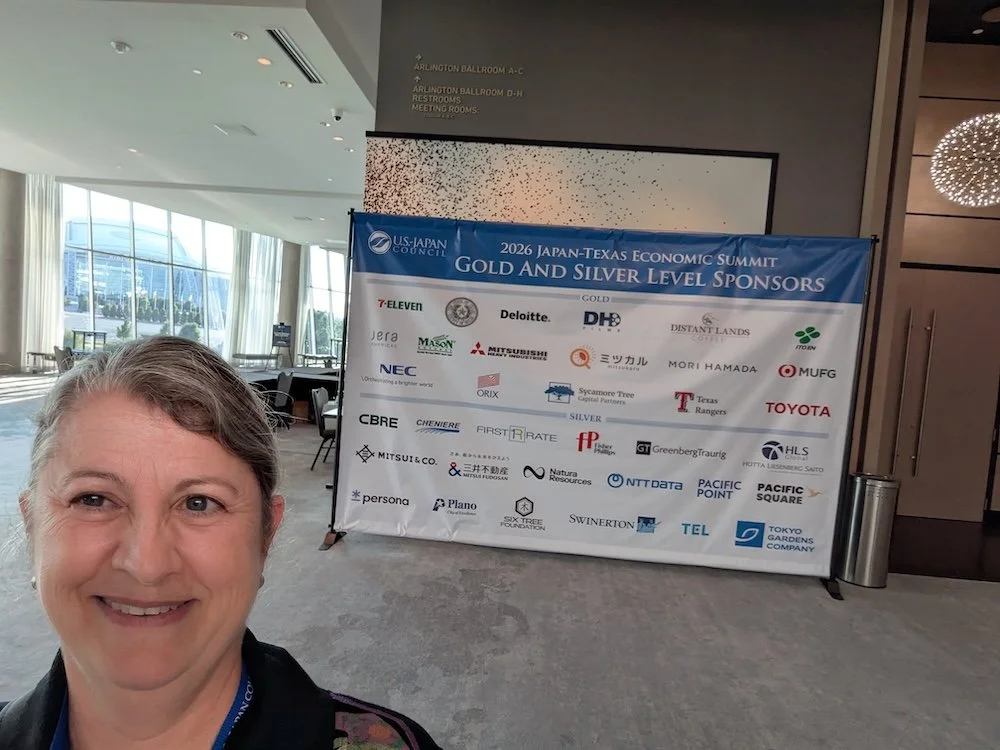
Human connections over everything at the Japan-Texas Economic Summit
Last week, I was able to join the Japan-Texas Economic Summit #JTES in Arlington, Texas thanks to the sponsorship and support of the US Japan Council. I want to start there, because access matters, and I do not take lightly the fact that I was invited into this space not as a speaker or sponsor, but simply as a participant who was trusted to show up, listen, and engage.
There was a lot of substantive content at JTES, and I will post about the technical and policy related insights next week. For this Mindful Monday, I want to focus on what stayed with me on a much more personal level.
Click below to read more.
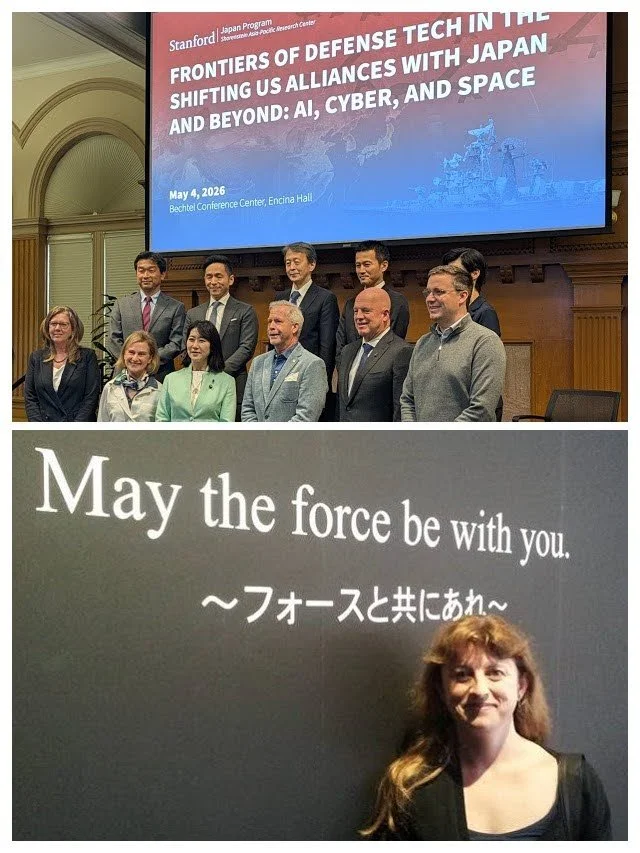
May The Force be secure: A birthday reflection on technology and trust
This past Monday, May 4th, I spent my birthday in an unexpected way. At Stanford University, joining a full day titled
Frontiers of Defense Tech in the Shifting US Alliances with Japan and Beyond: AI, Cyber, and Space.
Yes. May the Fourth. Star Wars Day.
I couldn’t help but smile at the coincidence.
On paper, that title sounds heavy. Defense. Alliances. AI. Cyber. Space. The kind of words that feel very far removed from everyday life. And yet, sitting there all day, listening to panel after panel, I found myself thinking less about governments and geopolitics and much more about daily life. About how quietly, deeply, and invisibly these technologies have already become part of how we live.
Click below to read more.

Listening to Hooked and rethinking the myth of female friendship
Listening to Hooked by Asako Yuzuki, known in Japanese as Nile Perch, turned out to be far more unsettling than I expected, in the best possible way.
After reading Butter, I thought I knew the emotional terrain Yuzuki was interested in. I expected sharp observation and discomfort, and I got both, but Hooked went further. It doesn’t just examine women’s friendships, it takes apart the myth surrounding them. The idea that female friendships are automatically nurturing, safe, and emotionally intuitive is quietly but relentlessly questioned. What emerges instead is something far messier and far more human.
The story drops you into the world of women’s friendship circles, where expectations are rarely spoken out loud but are constantly felt. What stayed with me was how easily intentions are misunderstood. A gesture meant as closeness can be read as control. Silence can feel like rejection. Admiration can blur into fixation. Yuzuki captures how quickly these misreadings can stack up, especially when someone is deeply invested in being chosen, seen, or needed.
Click below to read more.
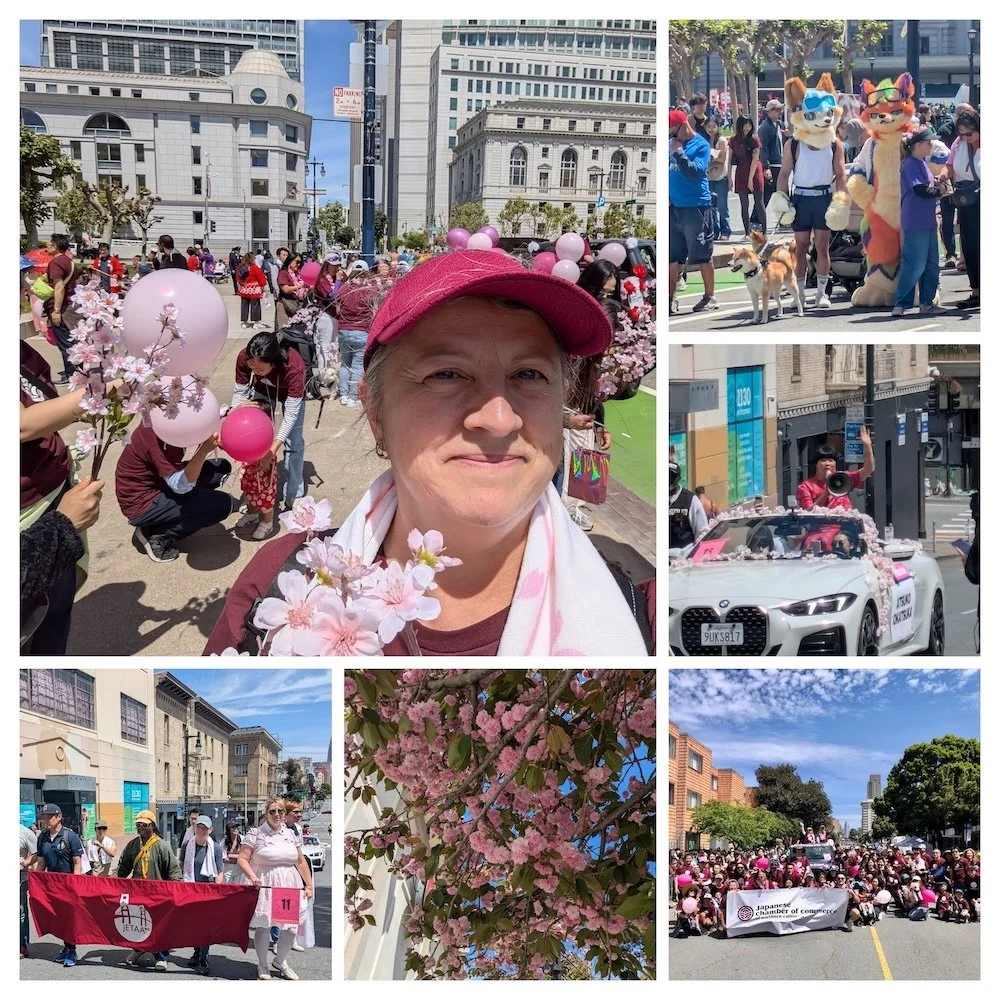
Mindfulness in motion at the San Francisco Sakura Festival
This Mindful Monday, I’m still carrying the energy of the recent San Francisco Sakura Festival with me.
Being there as a member of the Japan Chamber of Commerce and as a JET alumna felt especially meaningful. The weather was glorious, the crowds were enormous, and the atmosphere was joyful in that very particular way that only community festivals seem to create. Everywhere you looked, there were cherry blossoms, smiles, music, parades, and people showing up for something bigger than themselves.
What struck me most was how many volunteer groups were involved. From early setup to guiding crowds to keeping things moving smoothly, so much of the festival rested on people quietly giving their time and attention. That kind of volunteering is a form of mindfulness in action. You are present, focused, and connected to the people around you, not thinking about what comes next, but fully engaged in what is happening right now.
Click below to read more.
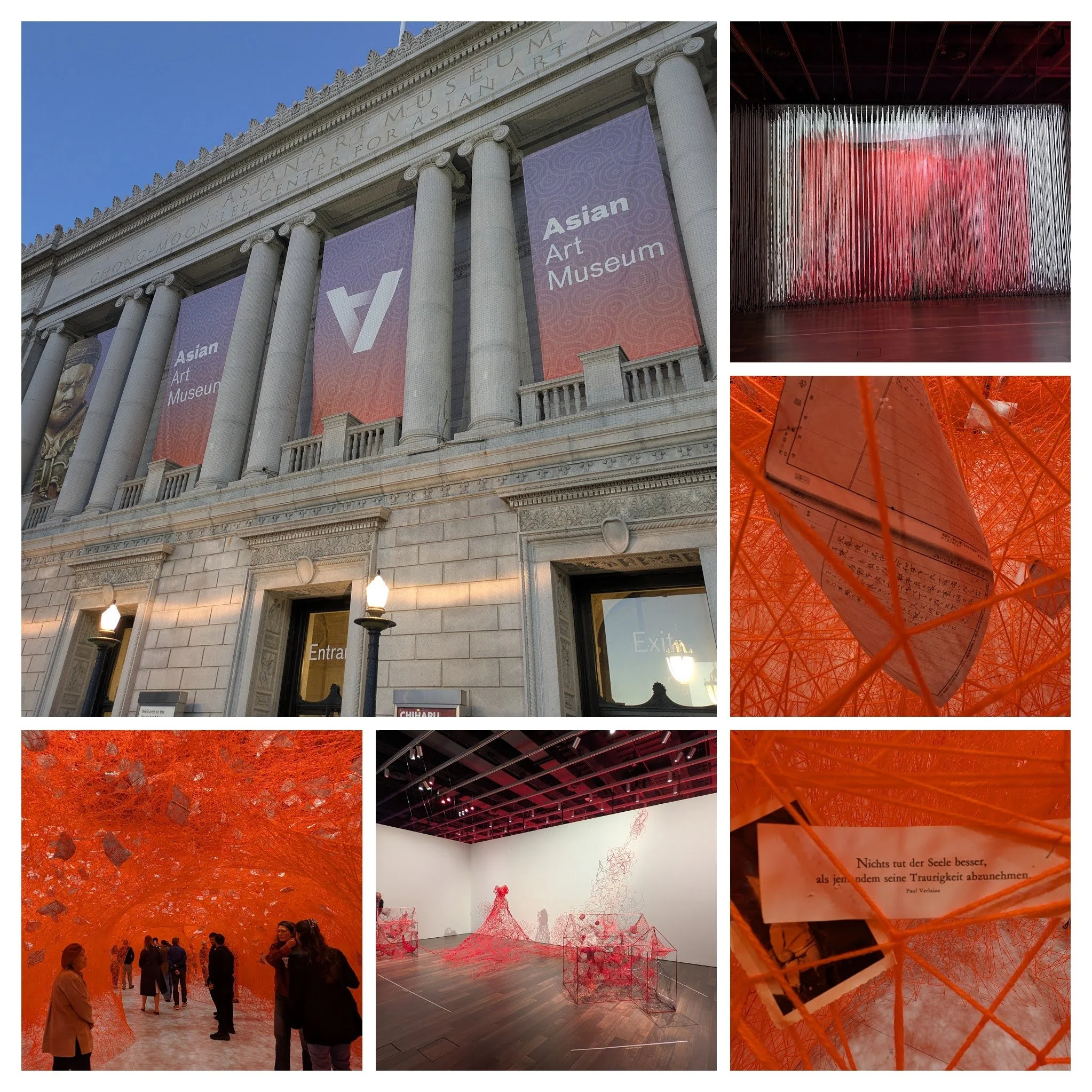
Inside Chiharu Shiota’s world at the Asian Art Museum
The recent opening night of Chiharu Shiota’s exhibition at the San Francisco Asian Art Museum was one of those experiences that stays with you long after you leave the building.
I went with a friend who worked at the museum for many years, which made the evening especially meaningful. Walking through the galleries with someone who knows the institution from the inside, who understands the care, history, and intention behind exhibitions like this, added a deeply personal layer to the experience. It felt less like attending an opening and more like sharing a moment shaped by art, memory, and connection.
Shiota’s work is often described as immersive, but that word still falls short. Her installations are environments you move through physically and emotionally. Thread, space, absence, and presence are woven together in a way that quietly demands reflection.
Click below to read more.
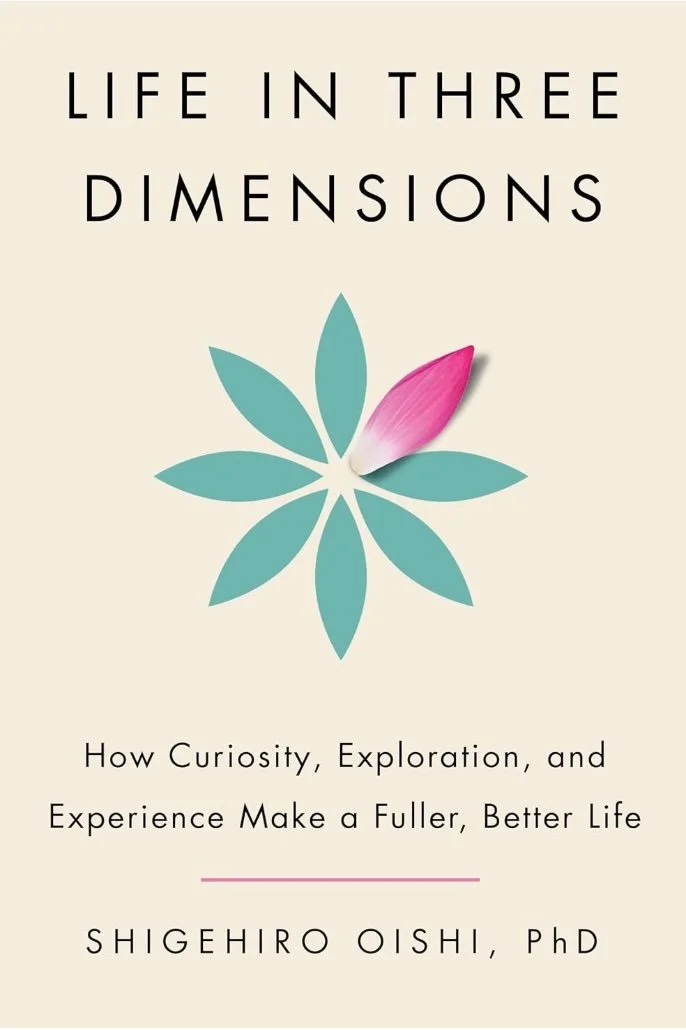
Part 3: Designing a life in three dimensions
This series explores the three dimensions of a fulfilling life inspired by Shigehiro Oishi’s book Life in 3 Dimensions and my own experiences living in Japan, moving to the United States, and working between both cultures.
By the time I reached the final chapters during another morning walk, I felt as if Oishi had handed me a lens that clarified the shape of my life. The three dimensions he describes were already present in my experiences, but I had never considered how intentionally they could work together and how I can use this knowledge to help others.
Click below to read more.