
From Sendai to Silicon Valley: Mentoring the next generation
Last week I had the privilege of mentoring a group of remarkable young people from Sendai through the Sendai Global Startup Campus (SGSC) – U.S. Program, hosted by the U.S. Market Access Center (USMAC). These students came to Silicon Valley with big dreams and an eagerness to learn about entrepreneurship, and they truly impressed me.
Sendai holds a special place in my heart. It’s not only home to these inspiring young innovators, it’s also the hometown of Yoshito Hori, the founder of GLOBIS, Japan’s leading business school. Years ago, I had the chance to visit the region on an MBA school trip, and I still have fond memories of its warmth, resilience, and entrepreneurial spirit. Seeing this new generation carry that same energy forward is truly moving.
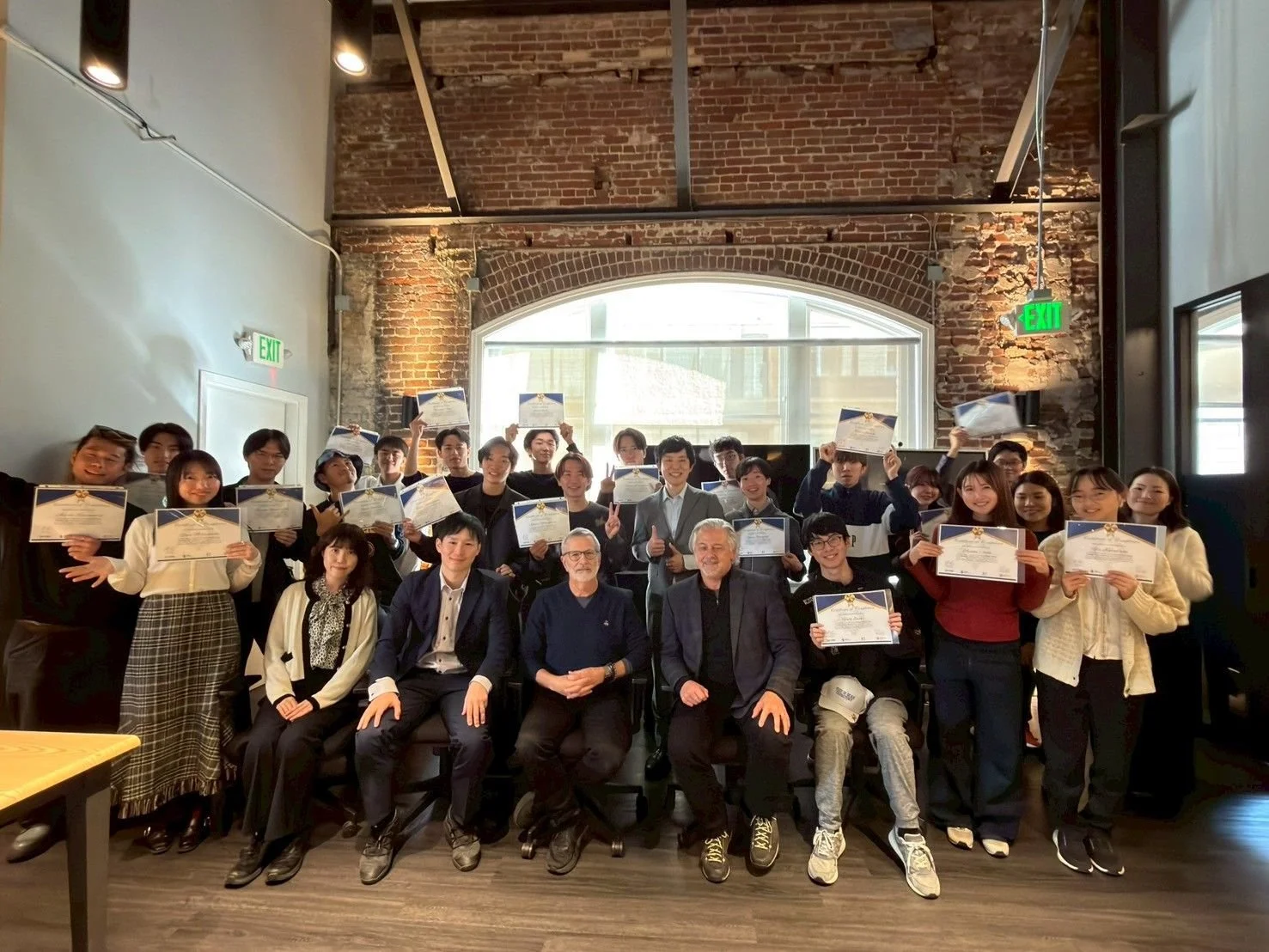
Photo copyright Yuta Maruyama
What stood out most was their level of English and their enthusiasm for innovation. It’s not easy to step into a global environment and pitch ideas in a second language, yet they did so with confidence and curiosity. Their questions were thoughtful, their energy contagious, and their vision for the future inspiring.
Moments like these remind me why giving back matters. Supporting the next generation of entrepreneurs, especially those bridging Japan and the U.S., is deeply rewarding. It’s about more than sharing knowledge; it’s about encouraging bold ideas and helping young minds believe in their potential.
Why programs like USMAC matter and how it aligns with what we do at JCO.
USMAC is a Silicon Valley-based accelerator dedicated to helping international startups successfully enter and scale in the U.S. market. With decades of experience, USMAC provides tailored programs, mentorship, and connections to investors, partners, and industry experts. Their mission is to bridge global innovation with U.S. opportunities, empowering entrepreneurs to think big and go global.
This mission resonates deeply with JCO’s own vision: fostering cross-cultural understanding and equipping professionals with the tools to succeed in Japanese business environments. Both organizations share a commitment to building bridges, whether it’s helping Japanese entrepreneurs thrive globally or guiding international professionals to navigate Japan’s unique business culture.
I left the session feeling hopeful and energized. If these students represent the future of Japanese entrepreneurship, then the future looks bright.
Want to learn more about Japanese business practices and how to succeed in cross-cultural environments?
Join one of JCO’s programs and gain practical insights into Japan’s unique business culture, communication styles, and strategies for collaboration. Together, we can create more opportunities for global success.
If you want to learn more about bridging language and cultural gaps in Japanese business, why not join one of our sessions! Here’s the link to upcoming sessions (make sure to select your timezone)
