
Wellness at work and the future of Japan: My interview with Shizuoka Shimbun.
I’m so grateful for the chance to share my perspective on the future of work in Japan in an interview with Ryo Hagiwara. It was such a meaningful discussion because it went beyond policies and paychecks, it was about well-being and creating workplaces where people can thrive. One idea I hope will catch on is the “Hybrid Model”: balancing the security Japan values with the flexibility and personalization today’s workforce needs. Big thanks to Ryo for spotlighting topics like personalized well-being and how AI can make HR more human.
This conversation resonates deeply with what we do at Japan Consulting Office. Our mission is to help global teams work better together by bridging cultural gaps and designing practical solutions for collaboration. Whether it’s rethinking job descriptions, introducing hybrid work models, or supporting HR transformation, we focus on strategies that respect Japanese strengths while embracing global best practices.
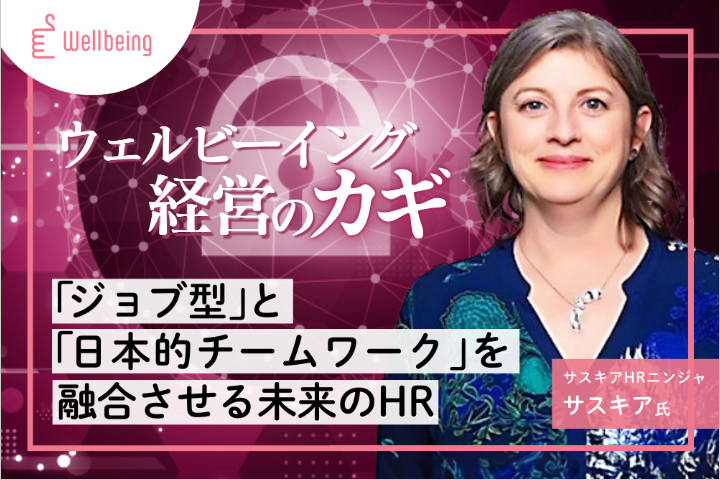
When I first visited Komatsu in 1997, I was struck by the openness and curiosity toward foreigners. People seemed relaxed and willing to embrace others in a way that felt different from Europe. Years later, when I returned to Tokyo in 2012, the pace of life was much faster, and those human connections felt less visible. Yet, even in the big city, the cultural value of caring for relationships remained strong, something that is increasingly rare in the West.
Working in Japan later gave me a deeper perspective on well-being, especially for foreign employees. At the consulting firm where I worked, out of 10,000 employees, only about 300 were non-Japanese. Many struggled with Japanese-only systems and internal communications. Something as simple as translating key messages made a huge difference—people said it helped them feel like part of the company. That sense of belonging matters.
One big cultural difference I often explain is around job descriptions. In Western companies, roles are clearly defined. In Japan, employees join the company as a whole, and the organization decides their career path. This creates incredible teamwork but also ambiguity. Ideally, we need a blend: clarity with flexibility.
We also talked about AI and HR. I see AI not as a threat but as a tool. It can take over repetitive tasks so HR can focus on what really matters: supporting people. Of course, human oversight is essential to avoid bias. Used well, AI can make HR more creative and more human-centered.
Generational change is another big theme. Young employees in Japan are challenging old norms. They reject long hours and want better work-life balance. Combined with labor shortages, companies can’t ignore these voices anymore, and that’s a positive shift.
Job security remains one of Japan’s biggest attractions compared to the “at-will” employment common in the U.S. But with security comes pressure: long hours and rigid expectations. The solution is personalized HR: respecting individual needs and promoting well-being. That’s how companies can become more creative and resilient.
For my own well-being, I walk about 9 km every day, spend time in nature, prioritize sleep and balanced meals (thanks to my husband’s love of cooking!), and reflect on what truly matters to me. Career and well-being aren’t dictated by others, they’re choices we make for ourselves.
If you’re curious about how globalization, technology, and generational shifts are transforming Japanese work culture, check out the full interview by clicking on this link.
If you’re curious about how Japan Consulting Office helps organizations bridge cultural gaps and build stronger global teams, I’d love for you to learn more about what we do. Together, we can create workplaces where collaboration thrives and everyone wins.
At Japan Consulting Office, we specialize in equipping professionals to thrive in cross-cultural environments. Whether you’re looking for group training or one-on-one sessions, we’ve got you covered!
If you want to learn more about bridging language and cultural gaps in Japanese business, why not join one of our sessions! Here’s the link to upcoming sessions (make sure to select your timezone)
