
My 2026 Focus: Strengthening U.S.-Japan collaboration
What happens when two business cultures, one rooted in harmony and consensus, the other driven by speed and individual accountability, come together? That’s the question I’ve been passionate about answering throughout my career, and it’s at the heart of my focus for 2026.
As Japanese companies expand their presence in the U.S., the opportunities are enormous … but so are the challenges. From communication gaps to differing expectations around work styles, bridging these worlds takes more than translation, it takes cultural insight, adaptability, and trust.
This year, my mission is clear: help Japanese organizations thrive in the U.S. by creating HR strategies that honor both cultures while driving global success.
Here’s what that looks like:
Click below to read more!
It’s not easy for men either: Rethinking gender pressures in Japan
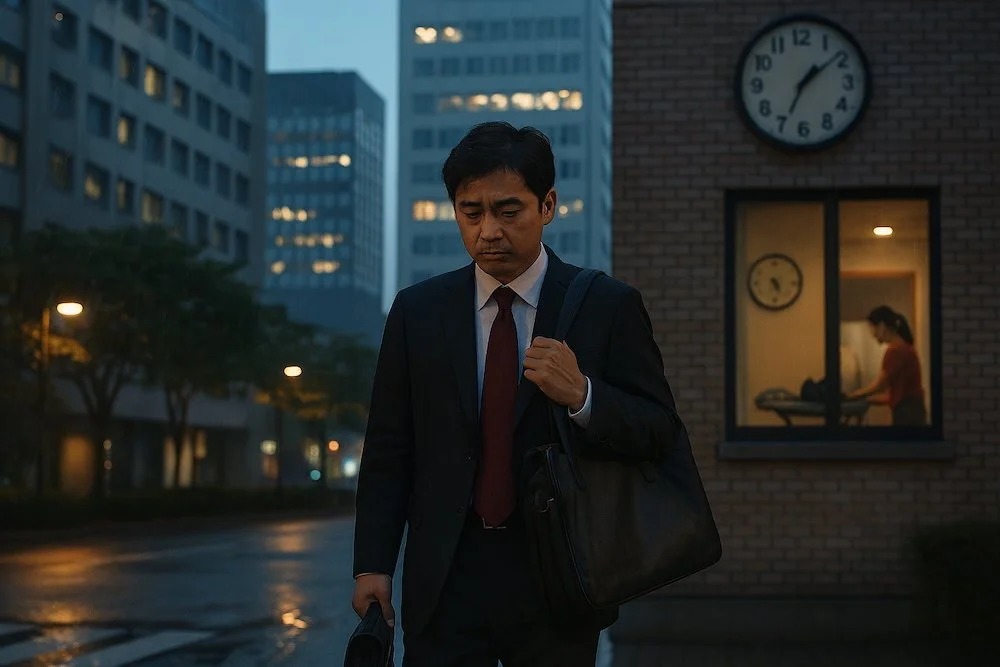
In my previous article, I explored the “Christmas Cake” myth: a stereotype that once suggested women lose value after age 25, like a cake after Christmas. While that idea is thankfully fading, it made me think about something we rarely discuss: the pressures men face in Japan. Because if we’re honest, it’s not easy for men either.
I first became aware of these dynamics while working at a big consulting company in Japan. I was surprised when several young female colleagues told me they were only planning to work until marriage and children. It was a candid admission that revealed how deeply cultural expectations shape career decisions. At the same time, I noticed the pressure on men was just as intense, though rarely discussed.
Click below to read more!
Beyond the Christmas Cake myth: Redefining timelines for women in business
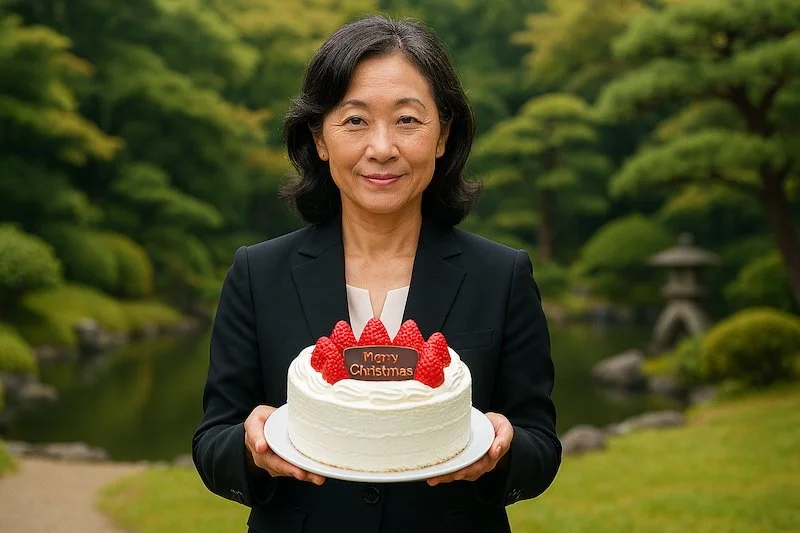
In Japan, there’s an old saying that women over 25 are like Christmas cake: still sweet, but past the date everyone wants. It’s a phrase that makes me wince every time I hear it, not just because of its casual cruelty, but because of what it reveals about expectations: that there’s an invisible clock ticking, and if you miss the “right” moment, you’re late: for marriage, for family, for life.
As women in business, we know this pressure doesn’t stop at personal milestones. It creeps into career paths too. Promotions, leadership roles, even entrepreneurial ventures often come with an unspoken timeline. If you haven’t “made it” by a certain age, the world starts to whisper that maybe you never will.
Click below to read more!
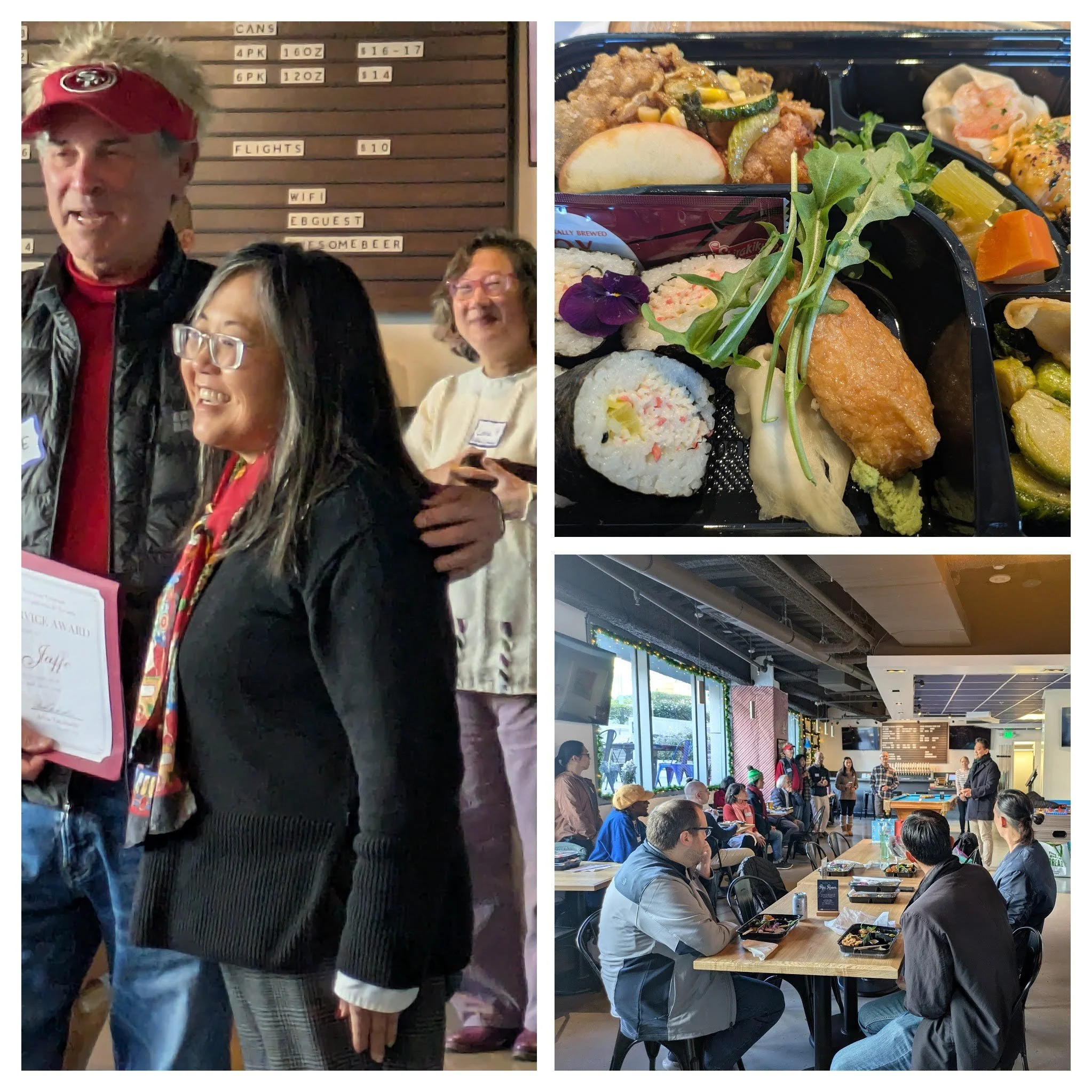
Three Bonenkai in one week: Why these parties still matter
Ever tried to attend three Bonenkai in five days? I just did, and it reminded me why these year-end gatherings remain such an important part of Japanese business culture, even as traditions evolve.
December in Japan, and for Japan-related communities worldwide, means Bonenkai, the traditional “forget-the-year” party. These gatherings are more than just social events; they’re a way to close the year with gratitude, camaraderie, and a fresh start. I’m also looking forward to the Japan Consulting Office Bonenkai this week, held over Zoom, with our favorite drinks in hand because our team is spread all over the world.
Click below to read more!
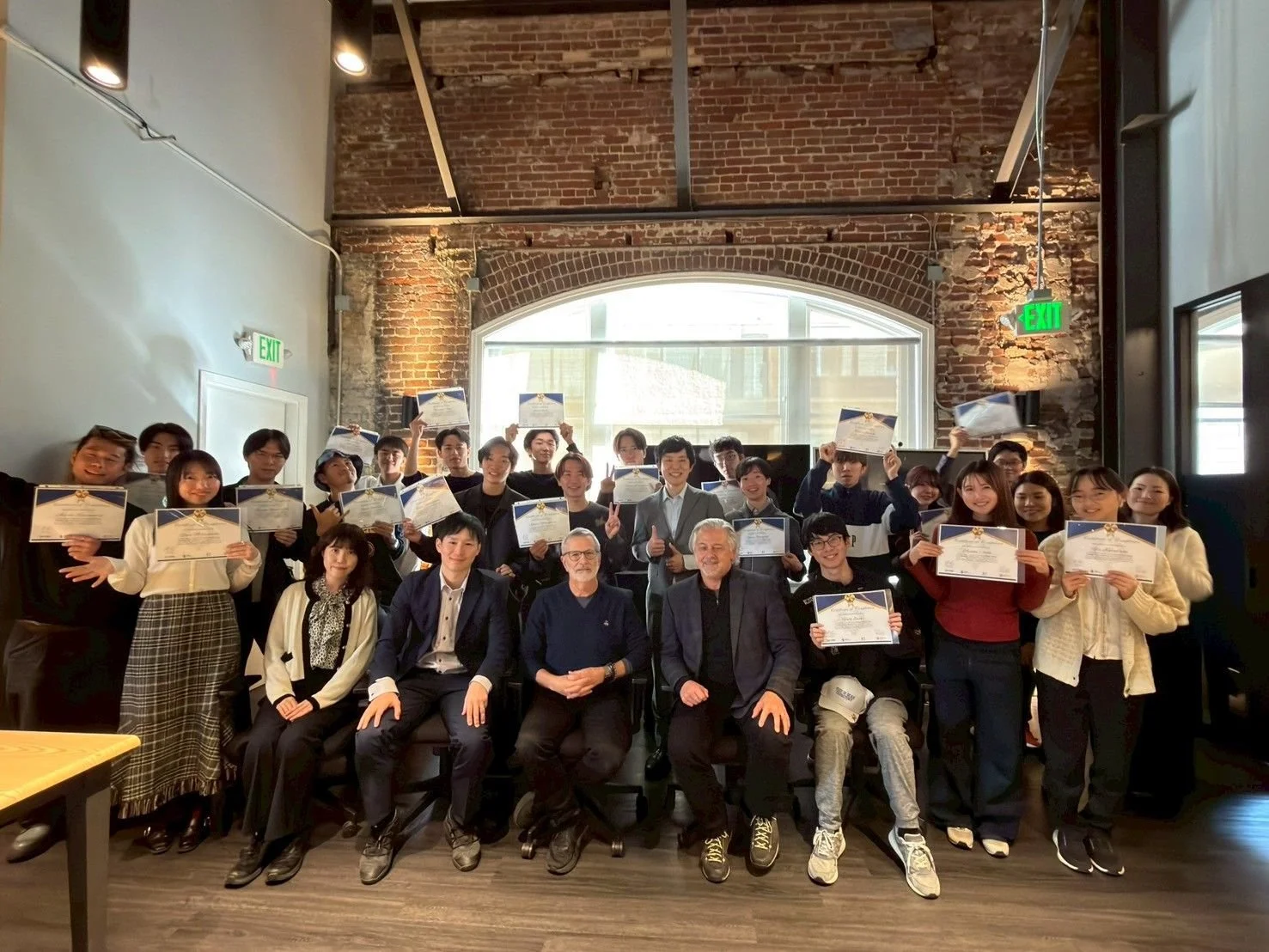
From Sendai to Silicon Valley: Mentoring the next generation
Last week I had the privilege of mentoring a group of remarkable young people from Sendai through the Sendai Global Startup Campus (SGSC) – U.S. Program, hosted by the U.S. Market Access Center (USMAC). These students came to Silicon Valley with big dreams and an eagerness to learn about entrepreneurship, and they truly impressed me.
Sendai holds a special place in my heart. It’s not only home to these inspiring young innovators, it’s also the hometown of Yoshito Hori, the founder of GLOBIS, Japan’s leading business school. Years ago, I had the chance to visit the region on an MBA school trip, and I still have fond memories of its warmth, resilience, and entrepreneurial spirit. Seeing this new generation carry that same energy forward is truly moving.
Click below to read more!
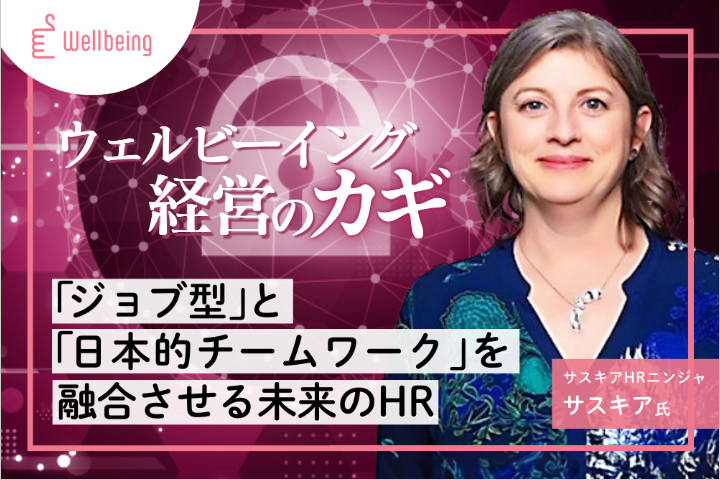
Wellness at work and the future of Japan: My interview with Shizuoka Shimbun.
I’m so grateful for the chance to share my perspective on the future of work in Japan in an interview with Ryo Hagiwara. It was such a meaningful discussion because it went beyond policies and paychecks, it was about well-being and creating workplaces where people can thrive. One idea I hope will catch on is the “Hybrid Model”: balancing the security Japan values with the flexibility and personalization today’s workforce needs. Big thanks to Ryo for spotlighting topics like personalized well-being and how AI can make HR more human.
This conversation resonates deeply with what we do at Japan Consulting Office. Our mission is to help global teams work better together by bridging cultural gaps and designing practical solutions for collaboration. Whether it’s rethinking job descriptions, introducing hybrid work models, or supporting HR transformation, we focus on strategies that respect Japanese strengths while embracing global best practices.
Click below to read more!

Why I love creating learning that matters
One of the things I love most about working with Japan Consulting Office is the constant opportunity to create. Every new session feels like building a bridge, connecting cultures, ideas, and people. And honestly, the fact that we’re encouraged and incentivized to keep learning ourselves makes the process even more fulfilling.
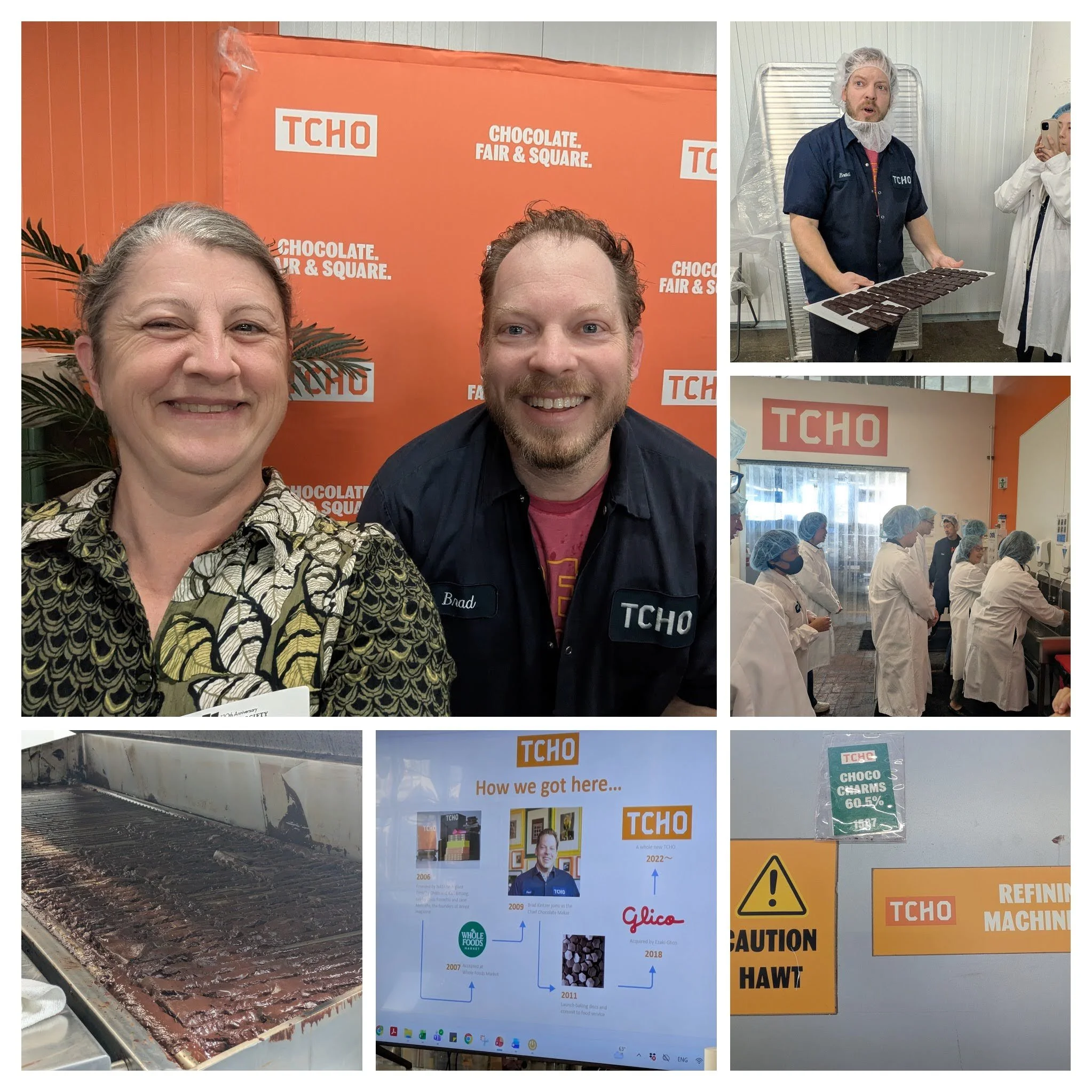
Bittersweet aromas and bold flavors at TCHO in Berkeley
Walking up to the TCHO factory in Berkeley, the first thing that hit me was the bitter-sweet aroma of chocolate wafting through the air, a sensory teaser of what was to come. It’s the kind of smell that instantly makes you curious about what’s happening behind those walls.
Inside, I joined a factory tour led by Master Chocolate Maker Brad Kintzer, whose passion for cacao and craftsmanship was evident in every word. Listening to Brad explain the journey from bean to bar was like peeling back the layers of a story that spans continents. He spoke about sourcing cacao directly from farmers, the importance of fermentation and roasting, and how TCHO’s mission is rooted in transparency and flavor innovation.
Read more by clicking below.